29 January 2026
A REPUBLICAN SCIENTIFIC AND PRACTICAL SEMINAR WAS HELD AT AMANZHOLOV UNIVERSITY
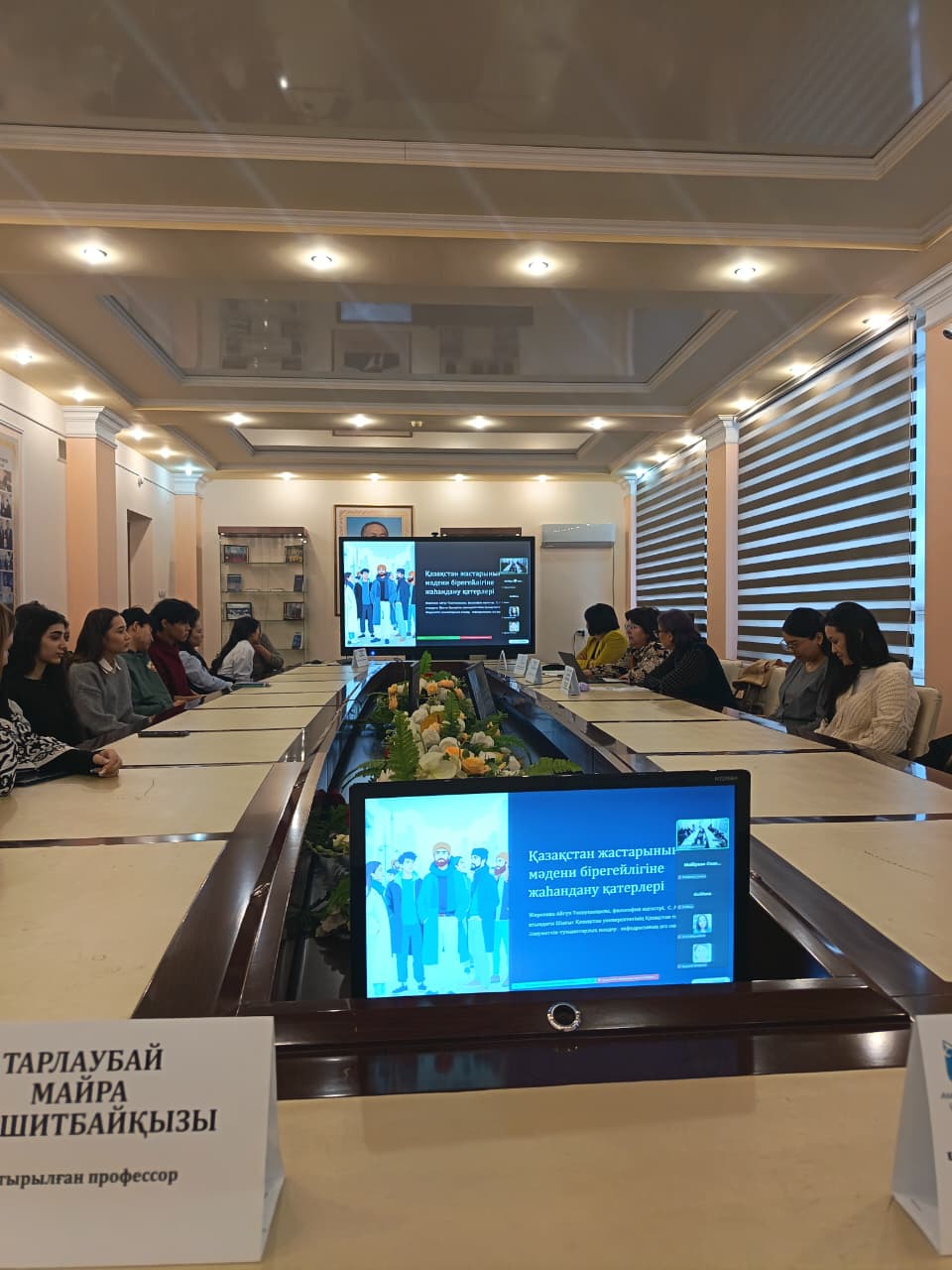
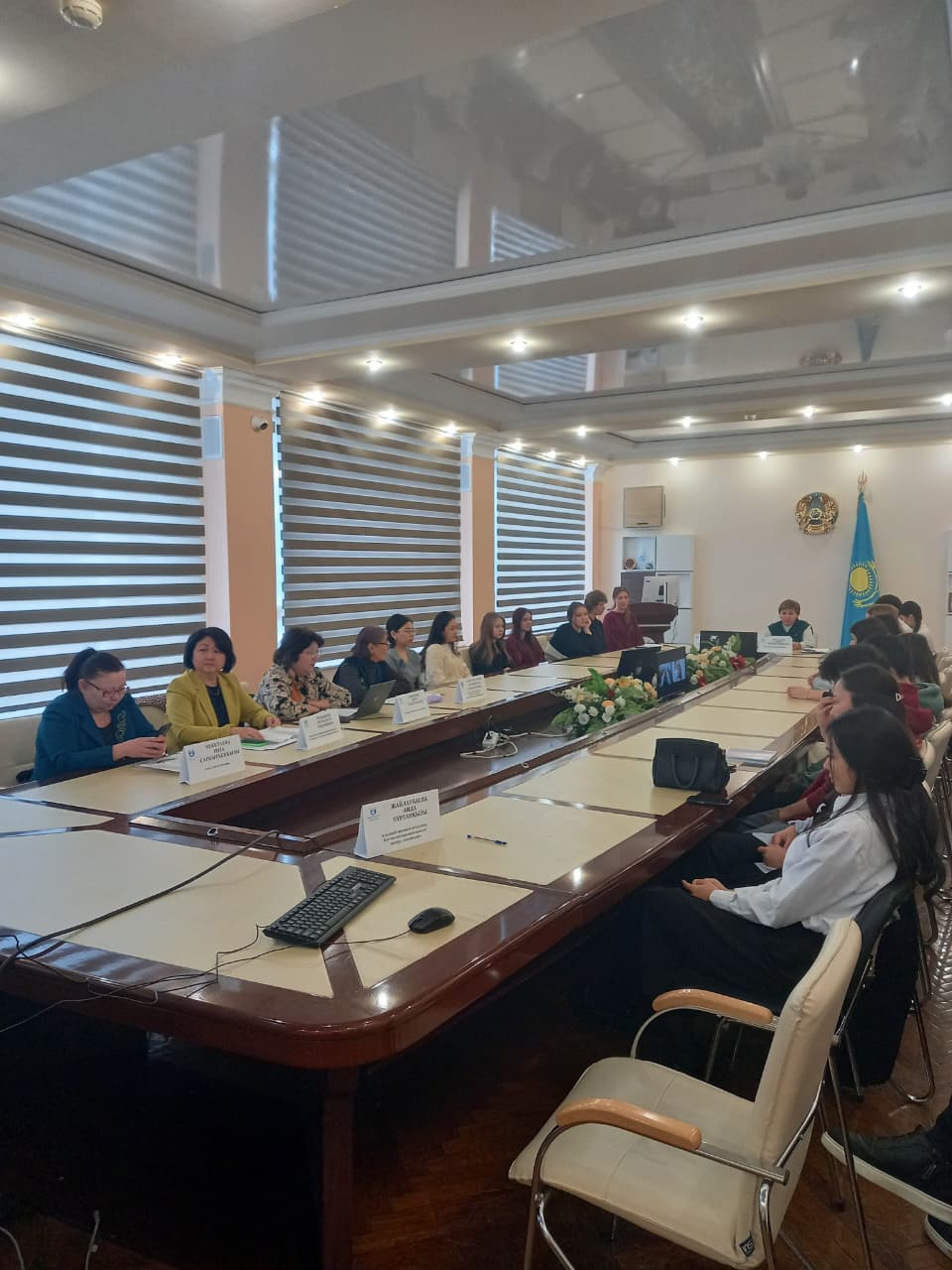
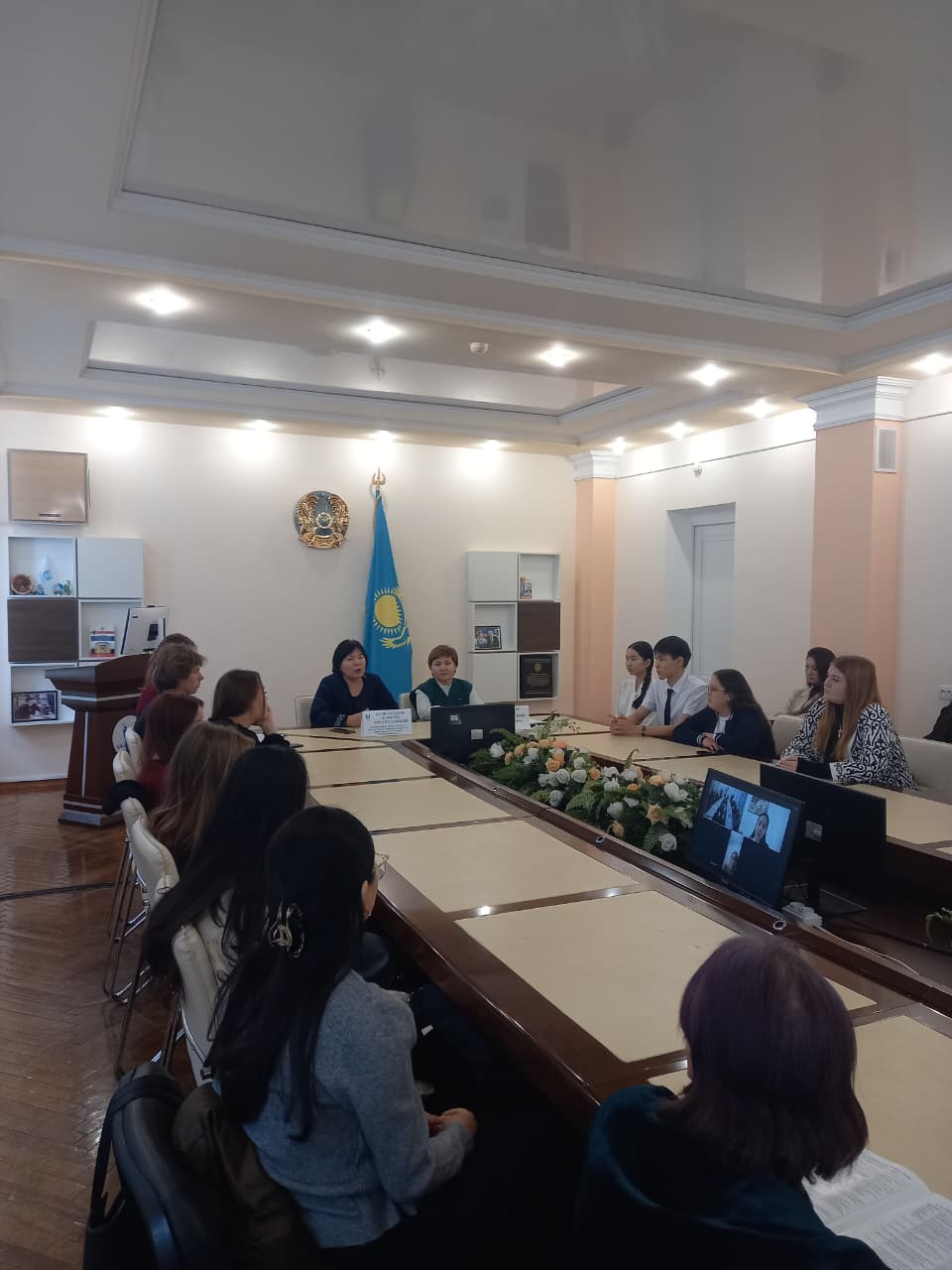
As part of the discussions of Kurultai–2026, with the support of Sarsen Amanzholov East Kazakhstan University and the Research Center “Altaytanu,” a republican scientific-practical seminar was held on “Cultural Identity of Kazakh Youth in the Context of Globalization.”
The event aimed to comprehensively discuss current issues in forming the cultural and national identity of youth amid globalization and to develop scientific and practical approaches for preserving spiritual and traditional values.
The seminar was opened with a welcoming address by Zhanneta Kalimoldina, Vice-Rector for Educational and Social Work and board member of Sarsen Amanzholov East Kazakhstan University. In her report, “The Role of Educational Policy in Forming the Cultural Identity of Kazakh Youth in the Context of Globalization,” she emphasized the significance of ideas presented at the National Kurultai and highlighted the strategic role of educational work in higher education. She provided concrete examples of implementing educational policies at the university, focusing on Abay’s concept of the “Complete Human” as the spiritual foundation for shaping modern youth.
Mayra Tarlaubay, Director of the Research Center Altaytanu, PhD, in her report “Transformation of National Values in the Culture of Modern Kazakh Youth,” stressed the need for systematic and targeted promotion of traditional cultural values as essential for preserving the national identity of youth.
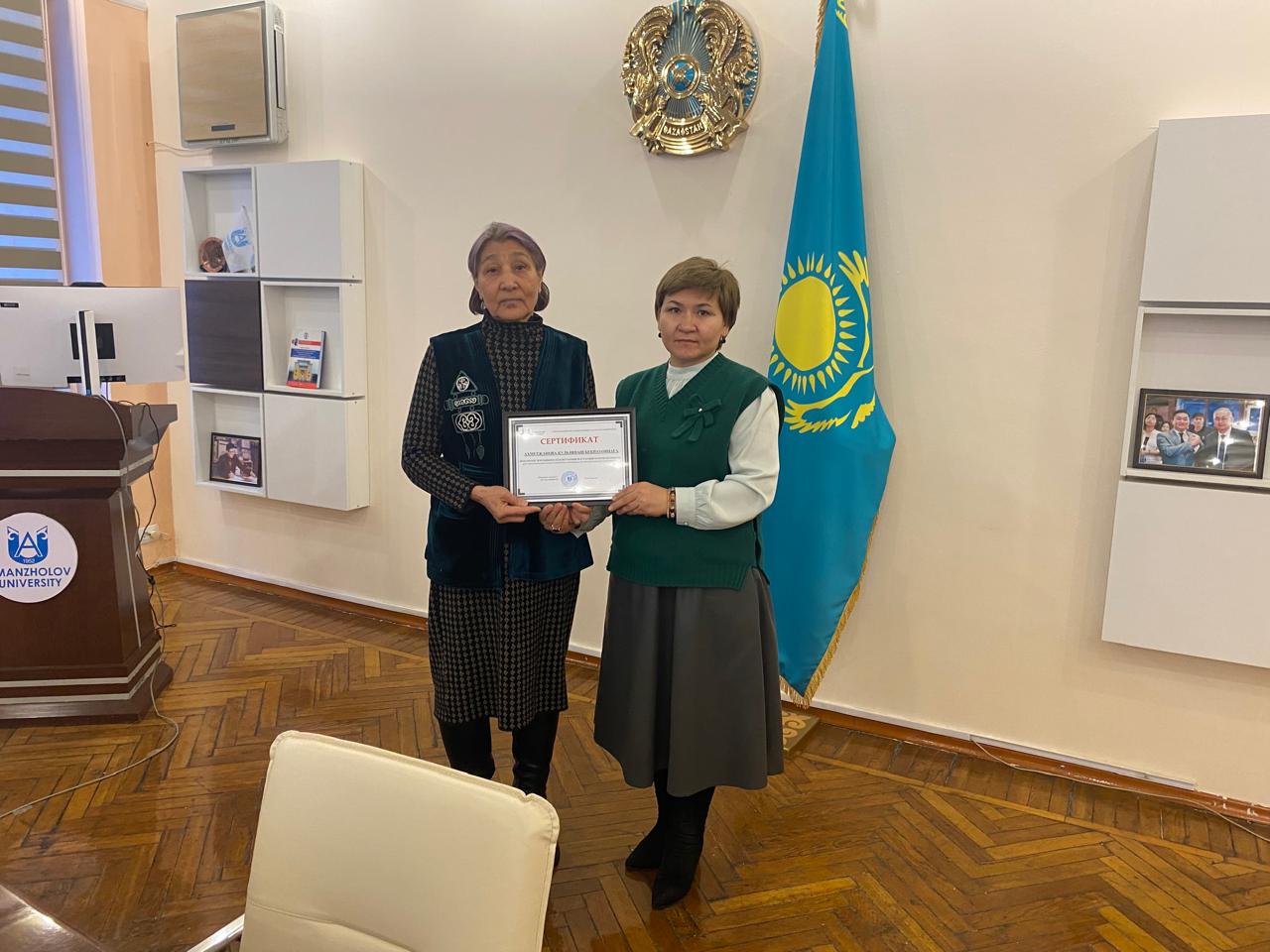
Kulzipash Akhmetzhanova, Professor of the Department of History of Kazakhstan and Socio-Humanitarian Disciplines, Doctor of Philology, in her presentation “The Impact of Globalization on Kazakh Youth,” discussed both the positive aspects of globalization and the risks it poses to national identity.
Guldana Togabaeva, Researcher at the National Museum of the Republic of Kazakhstan, PhD, presented “Jāmi’ at-Tawārīkh (Collection of Chronicles) – A Written Monument of the Turkic Middle Ages,” highlighting the scholarly value of manuscript heritage and international research in Altaic studies, linking the spiritual legacy of the Turkic medieval world to the cultural development of modern youth.
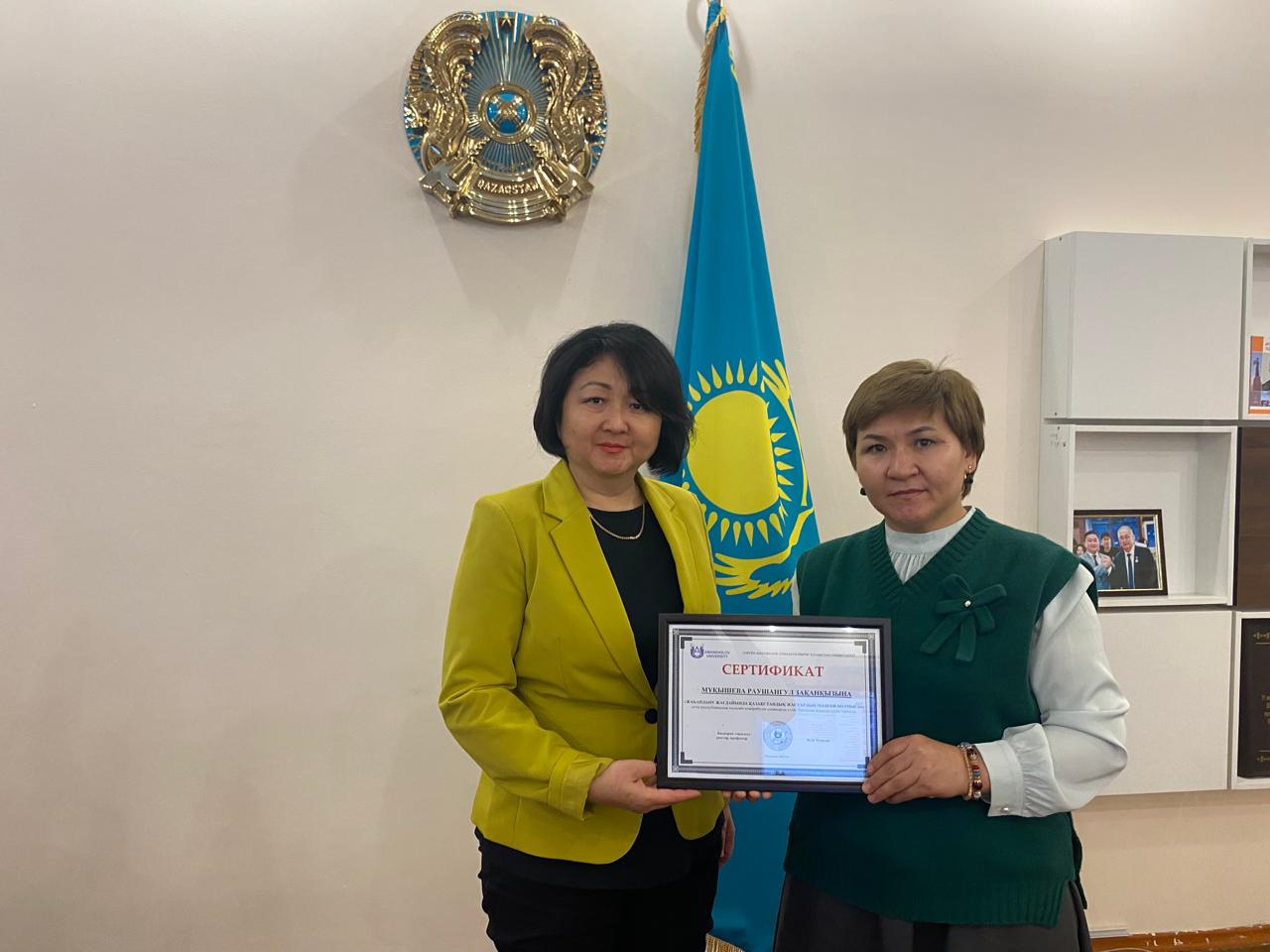
Raushangul Mukysheva, Chief Researcher at the Altaytanu Research Center, Candidate of Philology, in her report “Modern Kazakh Youth and the Turkic World,” analyzed the spiritual and cultural connections between Kazakh youth and the Turkic world, emphasizing the role of Turkic values in shaping cultural identity. Special attention was given to the initiatives of President Kassym-Jomart Tokayev announced at the National Kurultai and the Organization of Turkic States summit.
Aigul Zhirenova, Chief Researcher at Altaytanu, in her report “Risks and Challenges of Globalization in Shaping the Cultural Identity of Kazakhstan’s Youth,” examined threats arising from globalization and highlighted society’s responsibility for preserving national identity.
Teachers from School-Lyceum No. 43 named after Kumash Nurgaliyev, Sayat Zhanseitov and Roza Cheketaeva, presented “Methods of Forming National Values Among Youth in the Context of Globalization,” showcasing effective pedagogical approaches and the successful combination of school practice with scientific educational methods.
The seminar concluded with a report by Meirhan Spanov, Associate Professor of the Department of Philosophy at Mukhtar Auezov South University, Candidate of Philosophy, on “Al-Farabi’s Teachings on State Governance and Modernity,” analyzing the philosopher’s ideas in the context of contemporary society and their significance for the spiritual and moral education of youth.
At the conclusion of the seminar, all speakers were awarded certificates. Participants noted the high scientific level of the event and its practical significance for the education system and youth development programs.