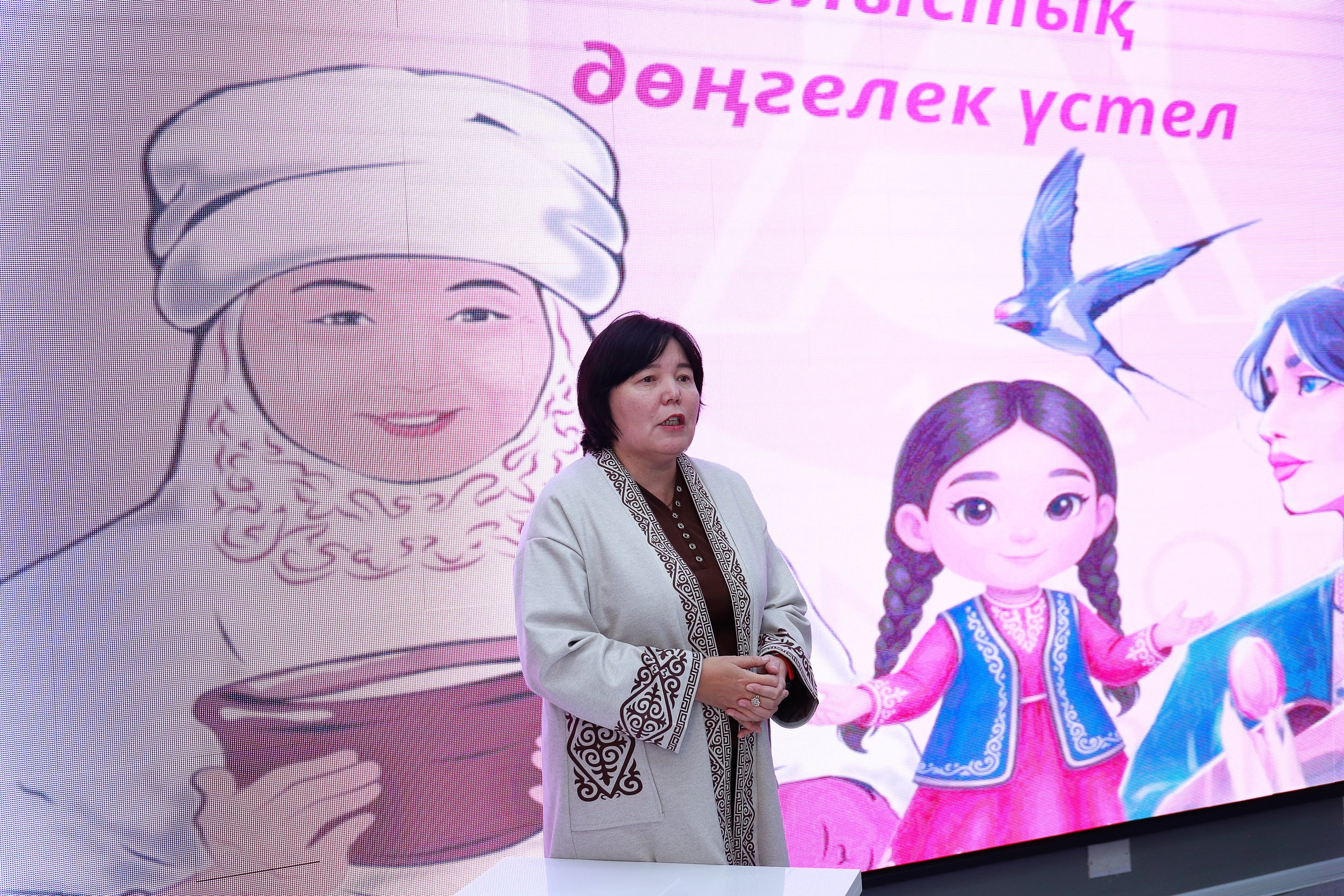
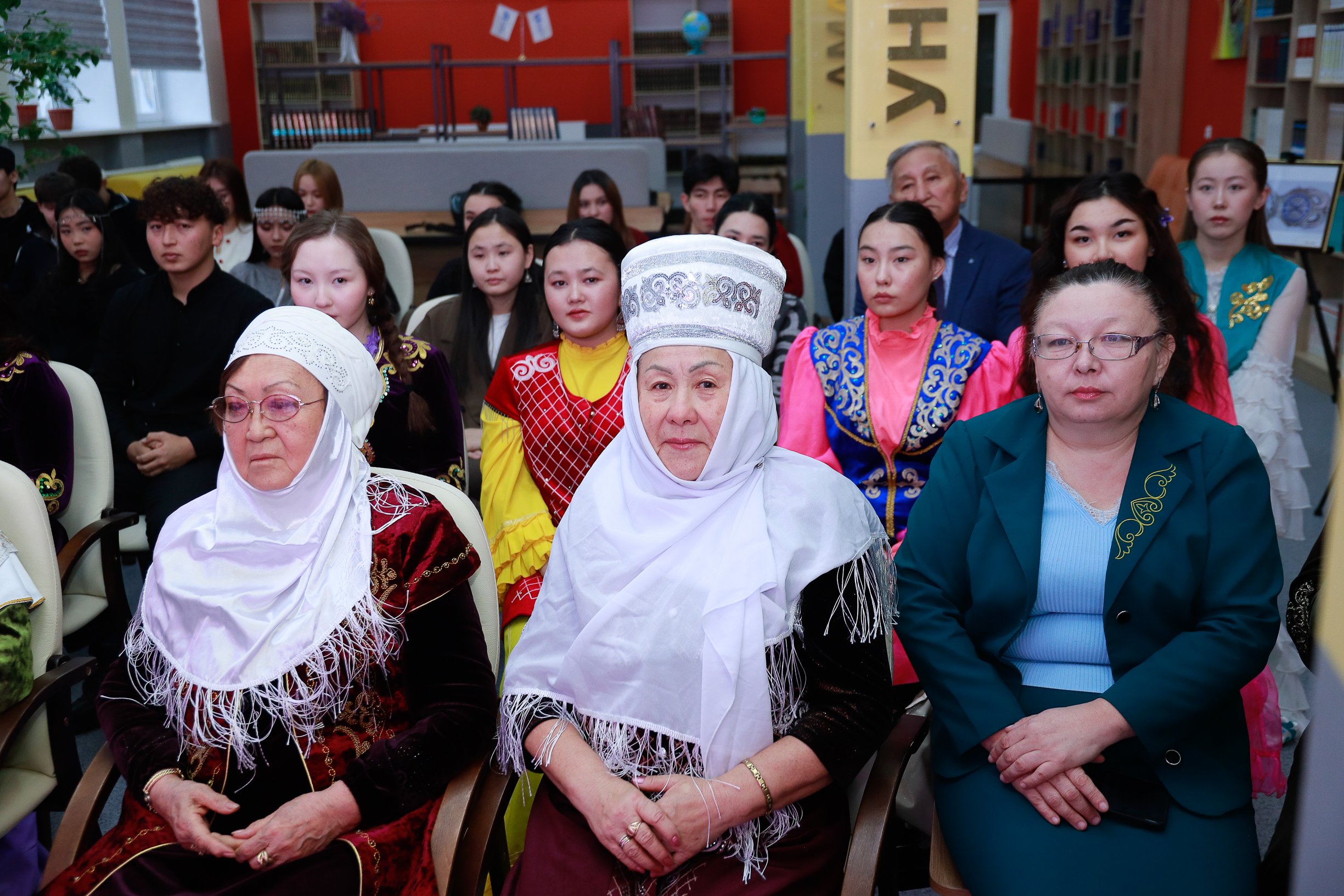
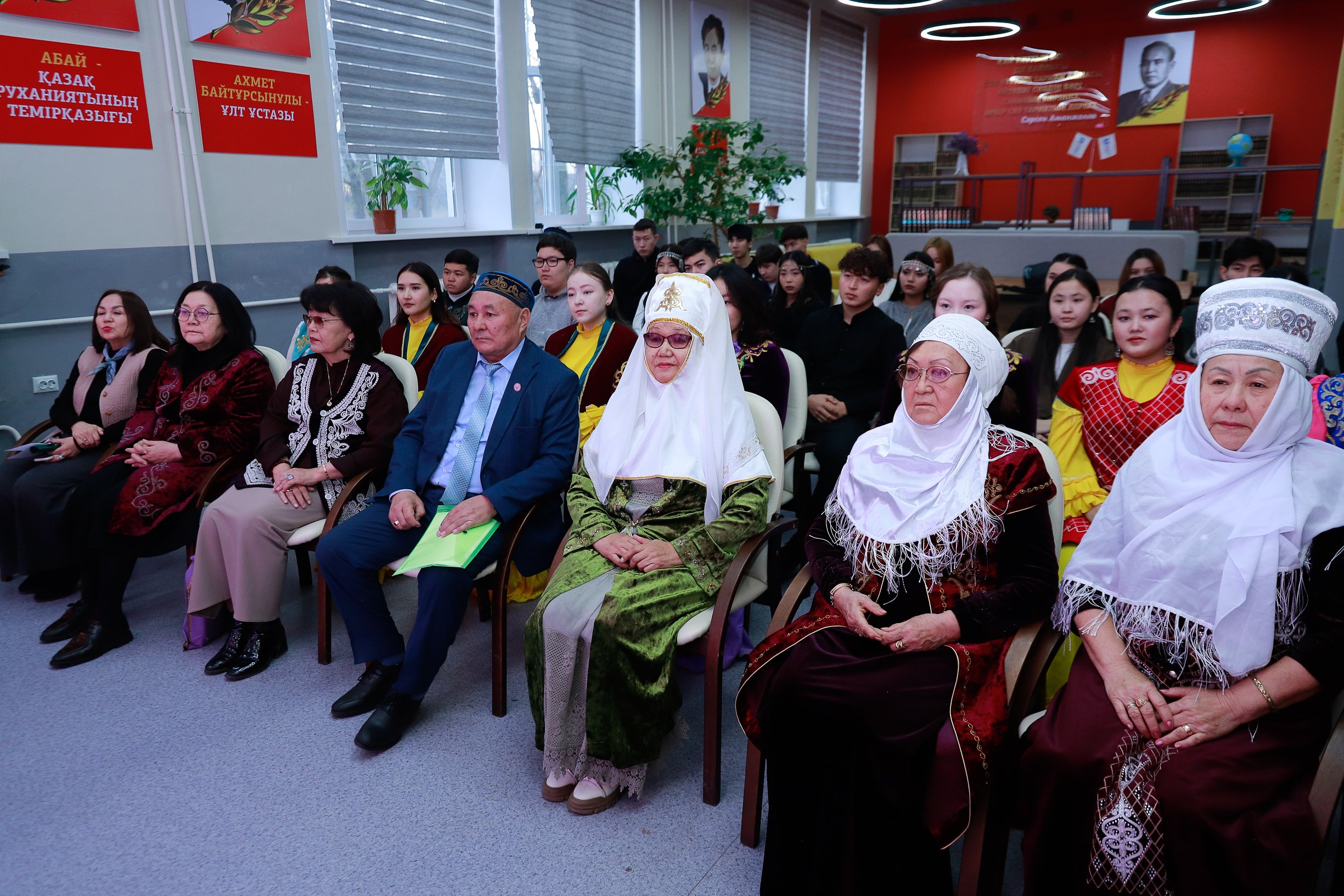
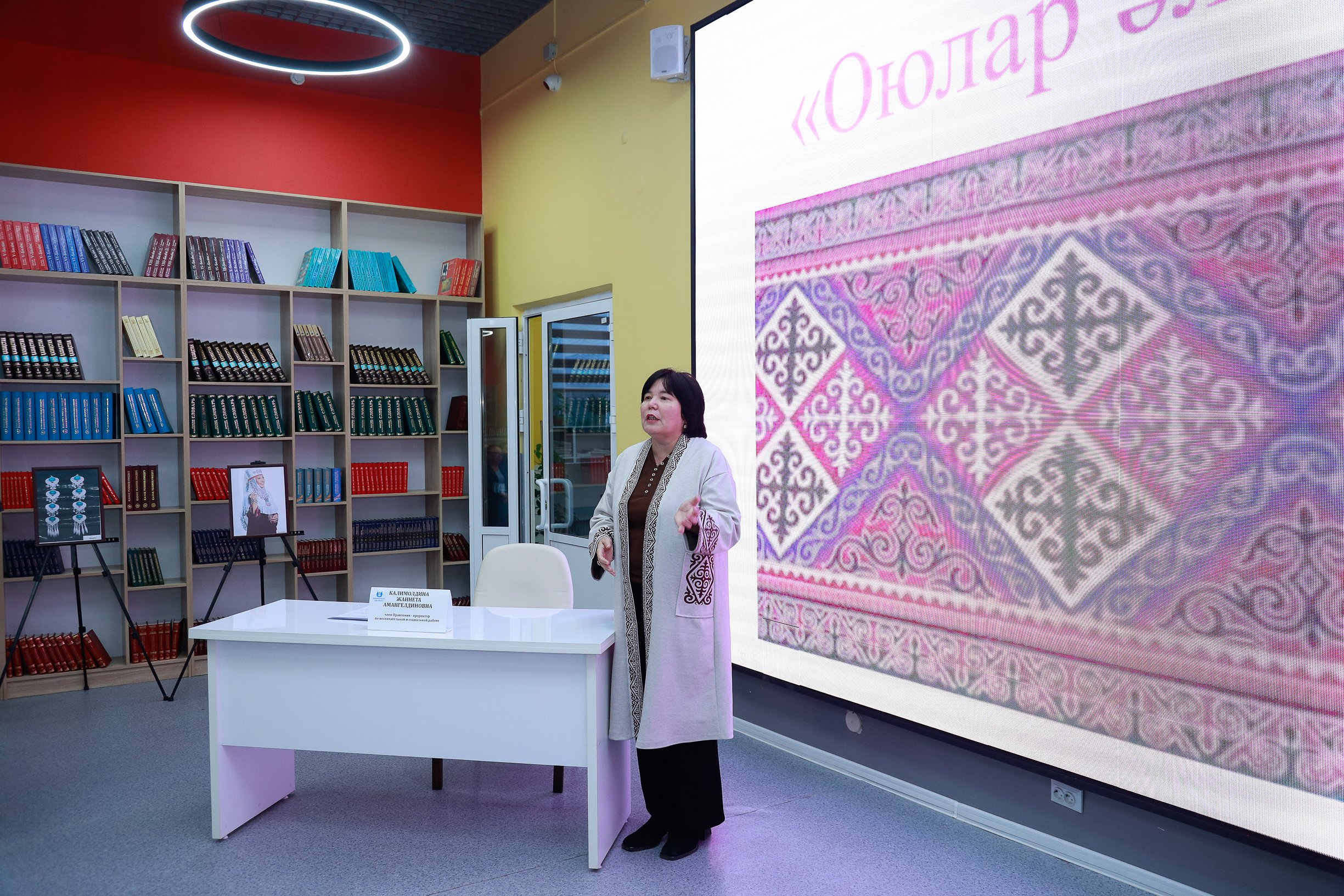
At Sarsen Amanzholov East Kazakhstan University, a regional round table “National Costume – An Example for Generations” was held, aimed at promoting national values, fostering historical consciousness, and widely advancing spiritual and cultural heritage among youth. The event focused on a comprehensive discussion of the role of national clothing in society, combining traditions with a modern perspective.
The session was attended by students and faculty of the “History” educational program, as well as regional ethnography specialists. Speakers provided detailed insights into the development of traditional Kazakh clothing from ancient times to the present, its regional characteristics, and social significance. Participants noted that the national costume is not merely a household element, but a valuable spiritual heritage reflecting the worldview of the people, their aesthetic taste, and cultural understanding.
During the round table, issues regarding the role of national clothing in the modern fashion industry and processes of its actualization were also discussed. Participants exchanged views on contemporary designers’ approaches to working with traditional ornaments, embroidery, fabrics, and considered ways to effectively apply national motifs in modern designs. It was emphasized that this direction helps increase youth interest in the national style.
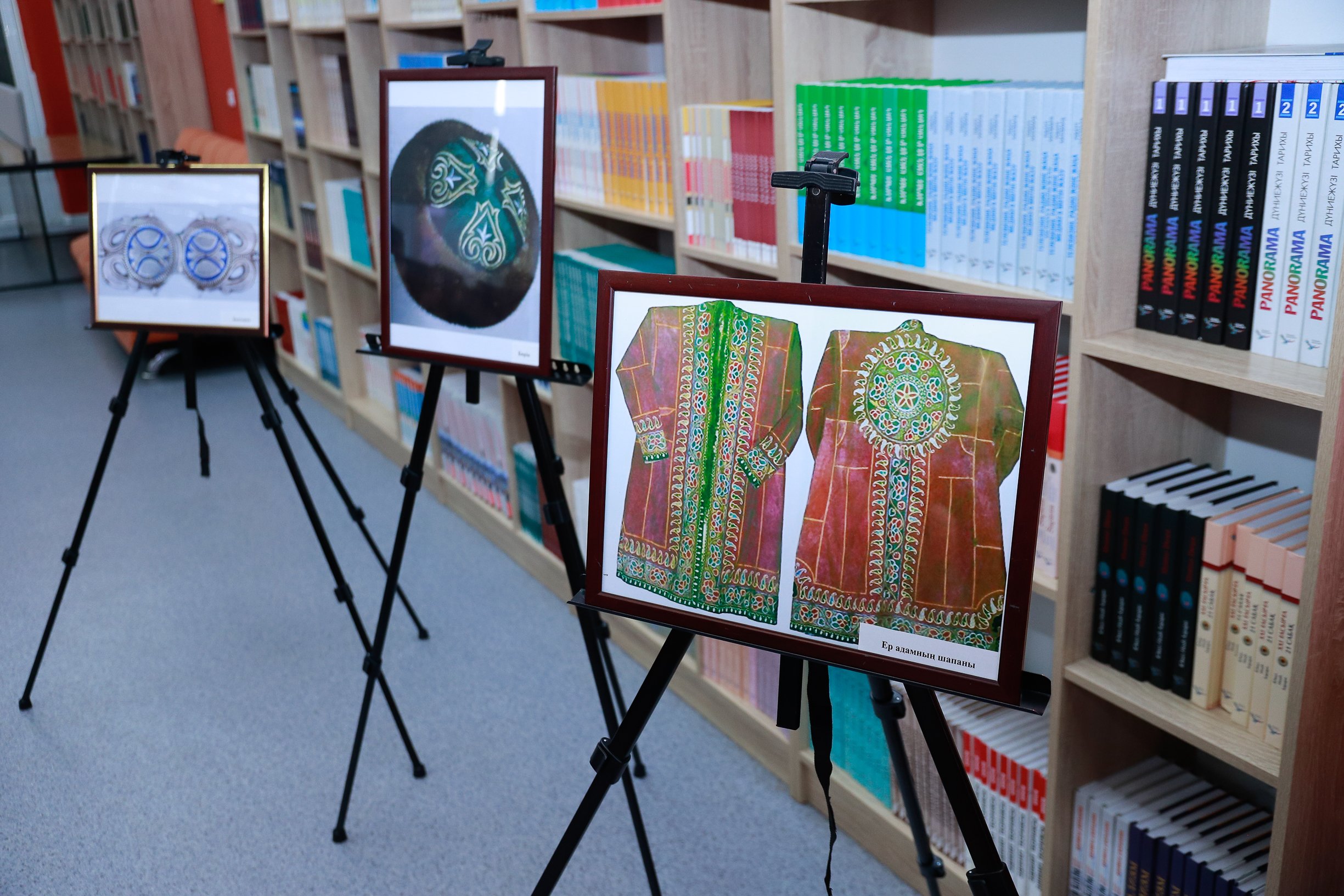
As part of the event, a small exhibition of national clothing samples was organized, featuring traditional saukele, kamzol, shapan, men’s and women’s headwear, as well as their modern interpretations. The works of young artisans reviving folk decorative and applied arts drew particular interest from the audience.
In conclusion, participants emphasized the importance of not only preserving the culture of national clothing but also integrating it into educational processes, creative projects, and the everyday life of youth. Proposals were also made to strengthen cooperation among educational institutions, researchers, creative centers, and youth organizations in passing cultural heritage to future generations.