29 January 2026
RECTOR AS A GROWTH POINT: AMANZHOLOV UNIVERSITY ON THE PATH TO THE UNIVERSITY OF THE FUTURE
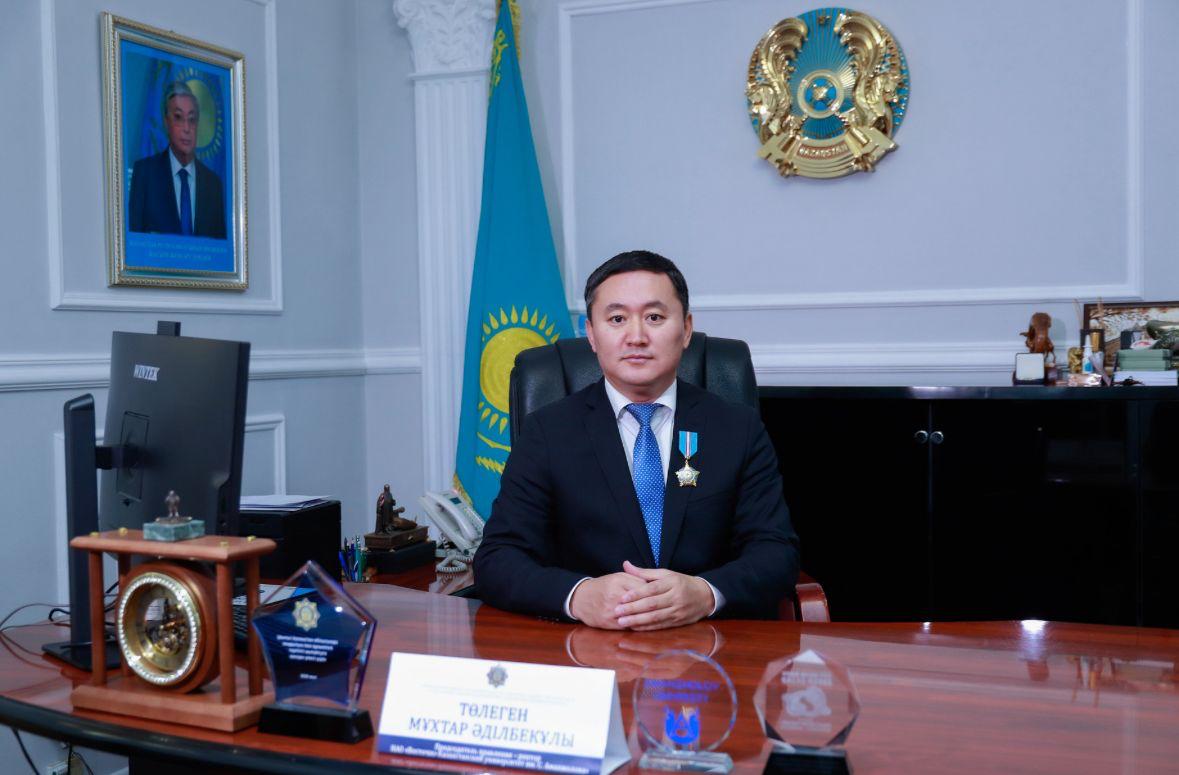
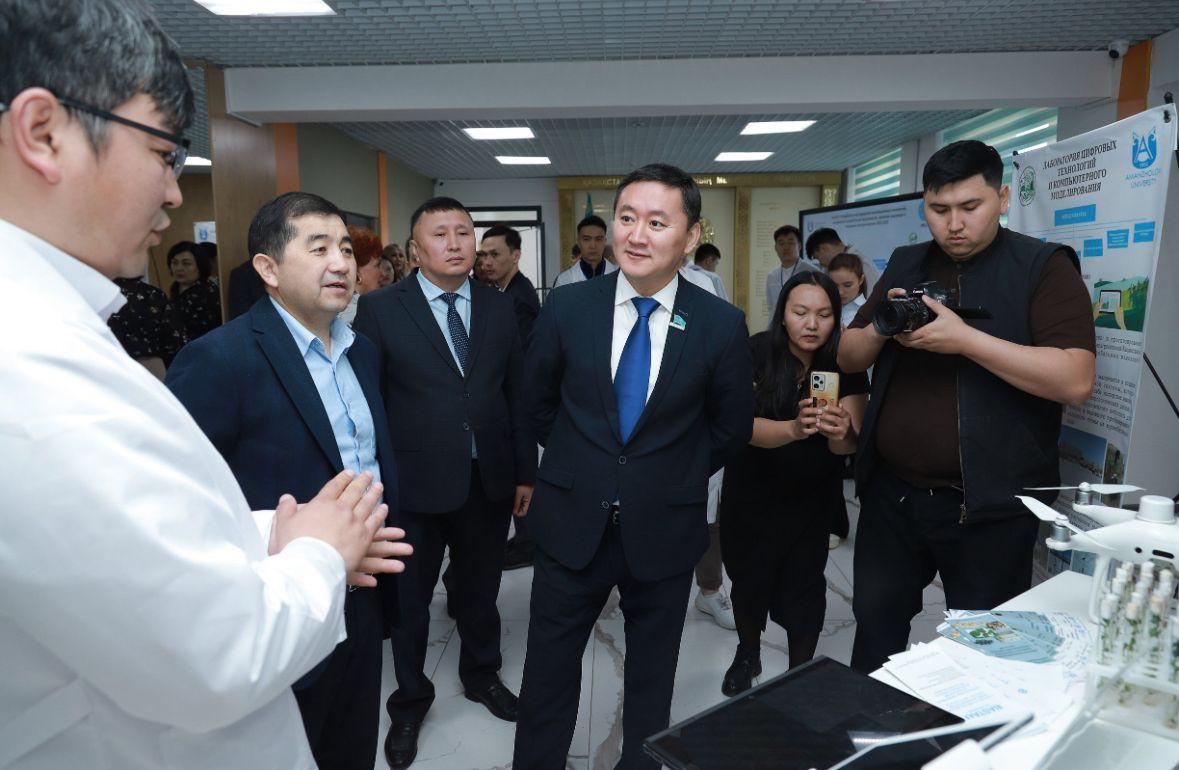
Sarsen Amanzholov East Kazakhstan University today serves not only as an educational center of the region but also as a platform for science, innovation, and the implementation of modern pedagogical practices. For eight years, the university has been headed by Mukhtar Tolegen, under whose leadership the institution has undergone a comprehensive transformation. During this time, a strategic development model was established aimed at improving education quality, strengthening scientific potential, introducing innovative technologies, and expanding international cooperation.
Over the past eight years, the university has gradually become a space of trust, responsibility, and creativity, where strategic decisions are balanced with attention to students, faculty, and researchers. By 2025, the university achieved institutional maturity and shifted from isolated initiatives to a sustainable model of systemic development.
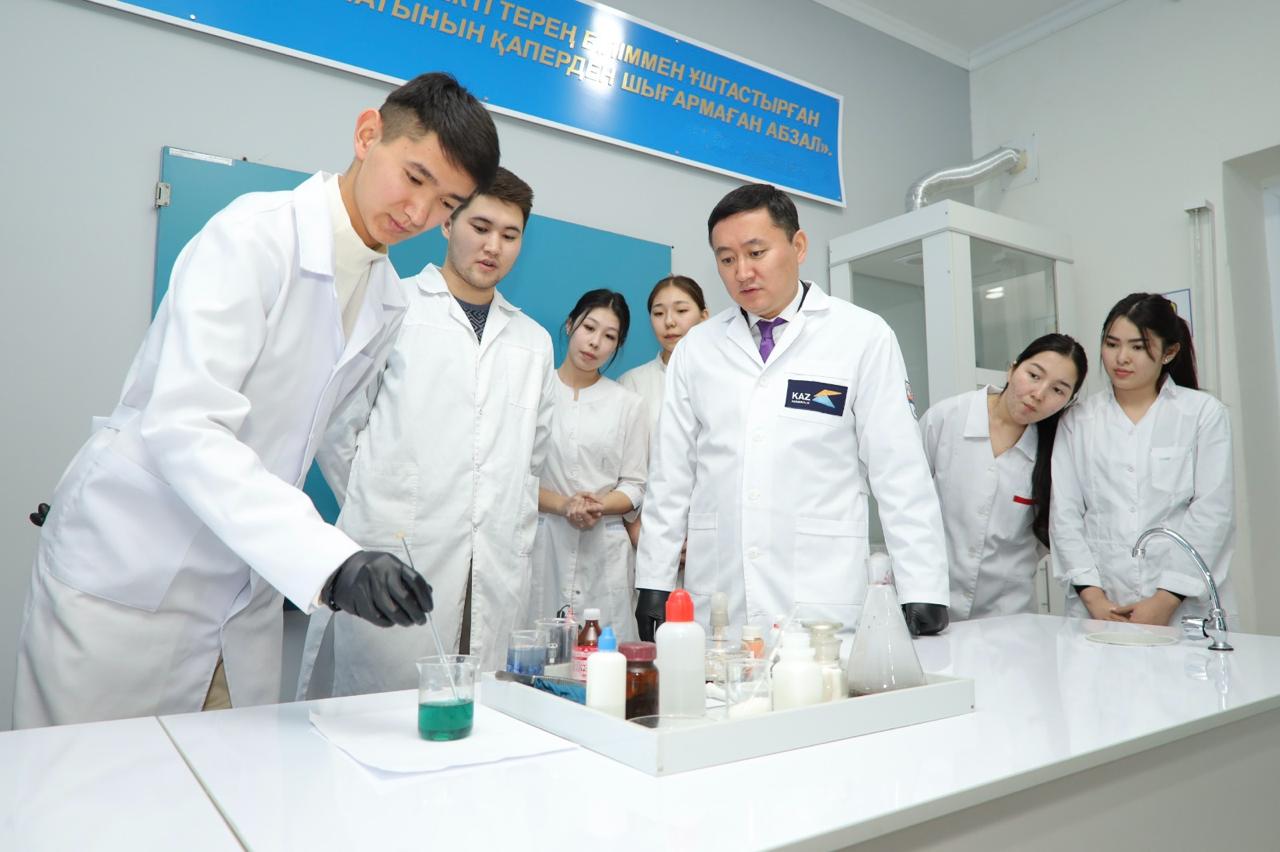
Today, higher and postgraduate education is provided through 154 programs covering key areas of socio-economic development for the region and the country. Ninety-one percent of programs have been updated, with enhanced practical orientation and integration with the labor market. Education is structured according to a competency-based model, taking into account the Atlas of New Professions, digital skills, and Industry 4.0 requirements.
The university has ranked first among pedagogical universities in the country for three consecutive years in terms of quality of staff training. Approaches to inclusive education have been significantly updated, and a regional model “kindergarten — school — college — university” has been developed, recognized by the Ministry of Science and Higher Education and the Government of the Republic of Kazakhstan. The principle of lifelong learning is implemented through the Silver University, offering educational opportunities for all generations.
The Center for Continuous and Inclusive Education “Dana bala” has become the core of dual learning, research, and practical student training in an inclusive environment. Modern pedagogical technologies and interdisciplinary projects using artificial intelligence are implemented here. Students create digital educational solutions — from interactive platforms to Telegram bots supporting inclusive learning.
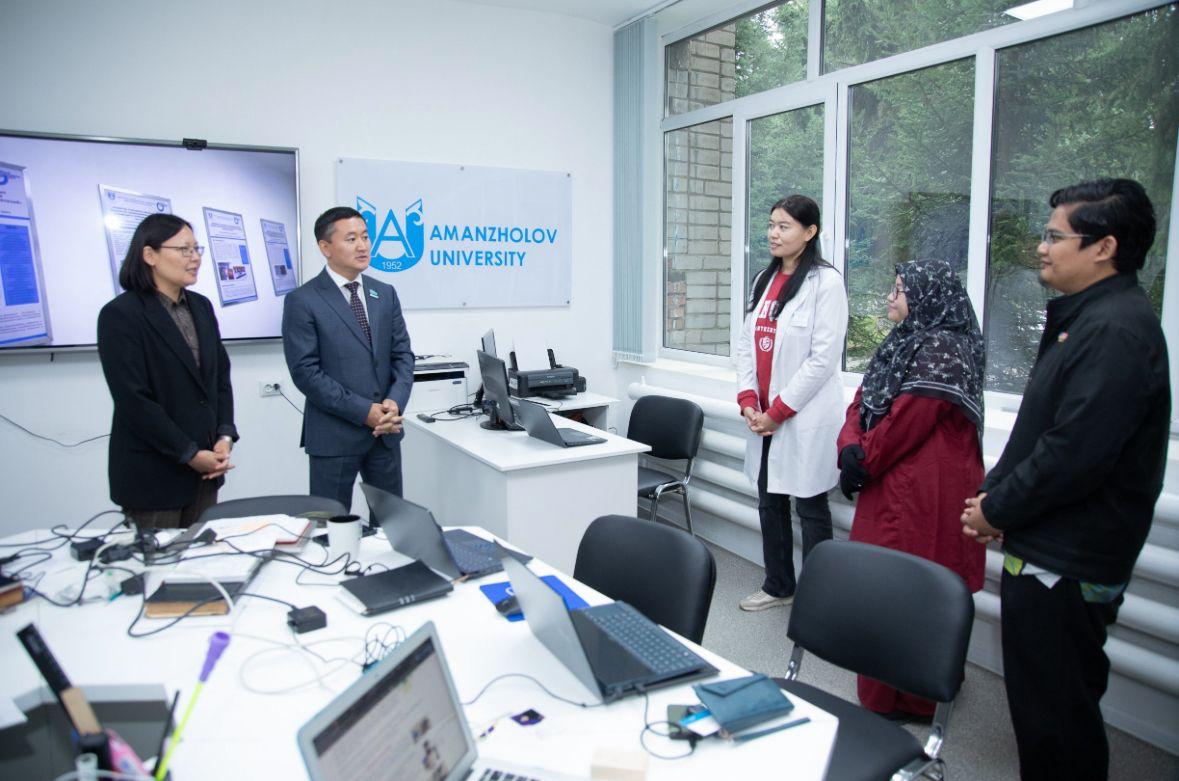
International cooperation is actively developing. The university collaborates with 160 universities from 36 countries, participates in QS Asia, QS Stars, UI GreenMetric, and Webometrics rankings, is a member of eight international associations, and is a Times Higher Education respondent. In 2025, the university joined the Shanghai Cooperation Organization. As part of internationalization, a branch of the University of Genoa (Italy) is planned to open in 2027, along with expanded English-language programs to increase the number of international students.
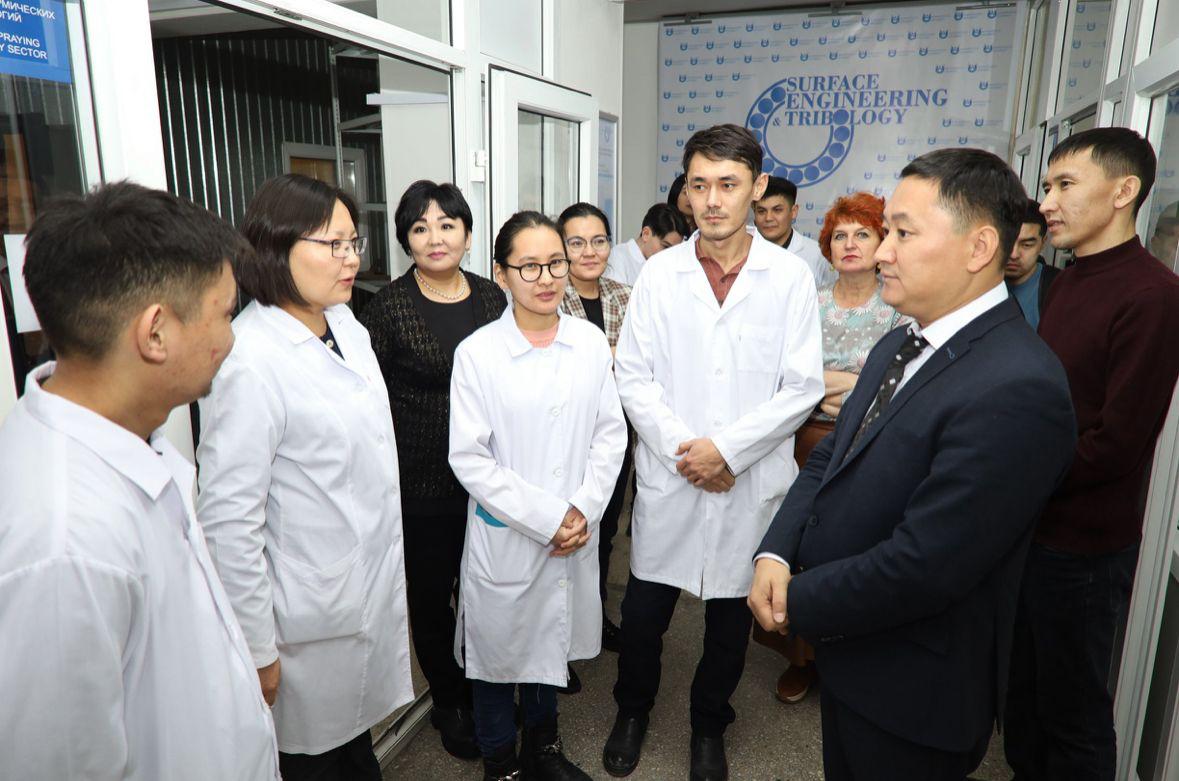
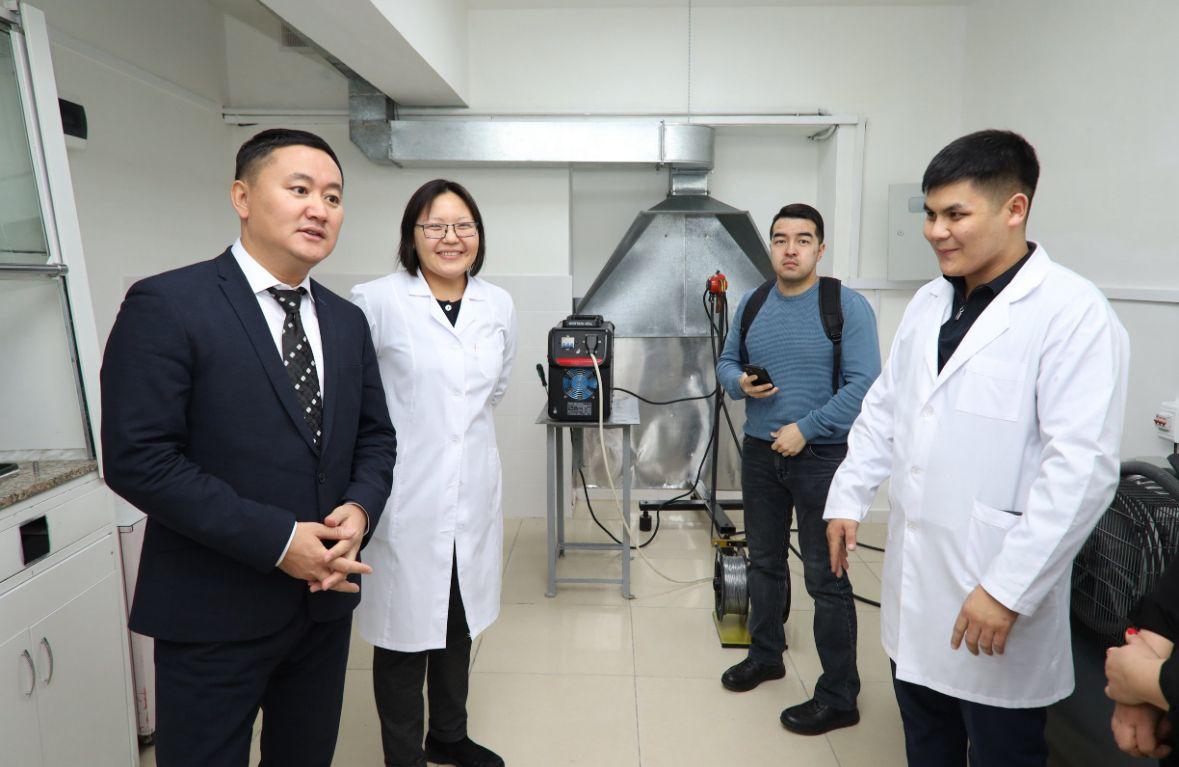
Scientific activity has shown substantial growth: the research budget for 2023–2025 increased 3.5 times to 4.6 billion tenge, scientists’ salaries have risen, and the number of defended dissertations and publications in international databases has increased. A unified innovation and technology ecosystem is forming, including the development of a technopark, startups, innovation grants, and commercialization of research. Within the AI-SANA program, over 7,000 students have learned artificial intelligence, and the established AI Center has become the core of the university’s technological projects.
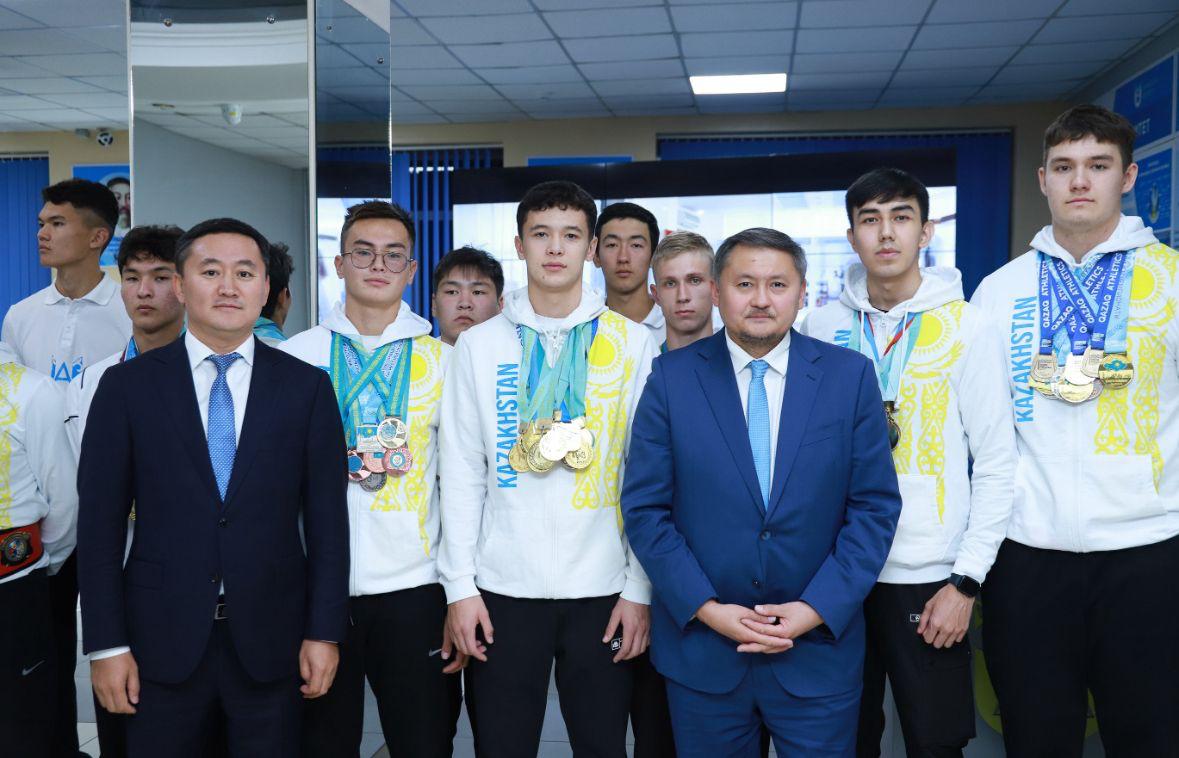
The student body has reached 10,000, with significant growth in master’s and doctoral students, strengthening the university’s scientific potential. Student-centered learning principles are applied, access to dormitories, infrastructure, and resources is ensured, and student initiatives are supported.
Special attention is given to cultivating a culture of lawfulness and academic integrity: an Academic Integrity Code is in place, digital originality-check systems have been implemented, and systematic preventive work with students and faculty is conducted.
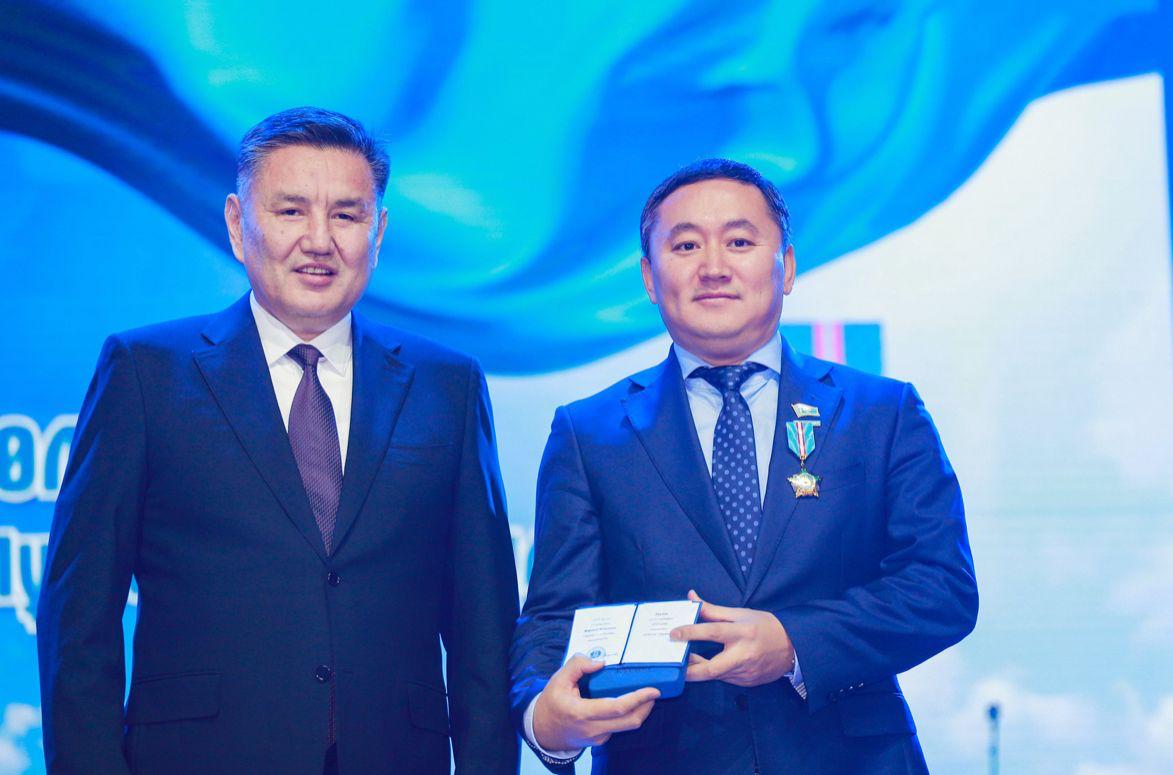
Under Mukhtar Tolegen’s leadership, the university demonstrates sustainable development, responds to modern challenges, and is shaping itself as a university of the future — open to the world, oriented toward science, innovation, and human development.