3 March 2026
THE GREAT STEPPE AND THE IMAGE OF THE HORSE: A SCIENTIFIC DIALOGUE AT AMANZHOLOV UNIVERSITY
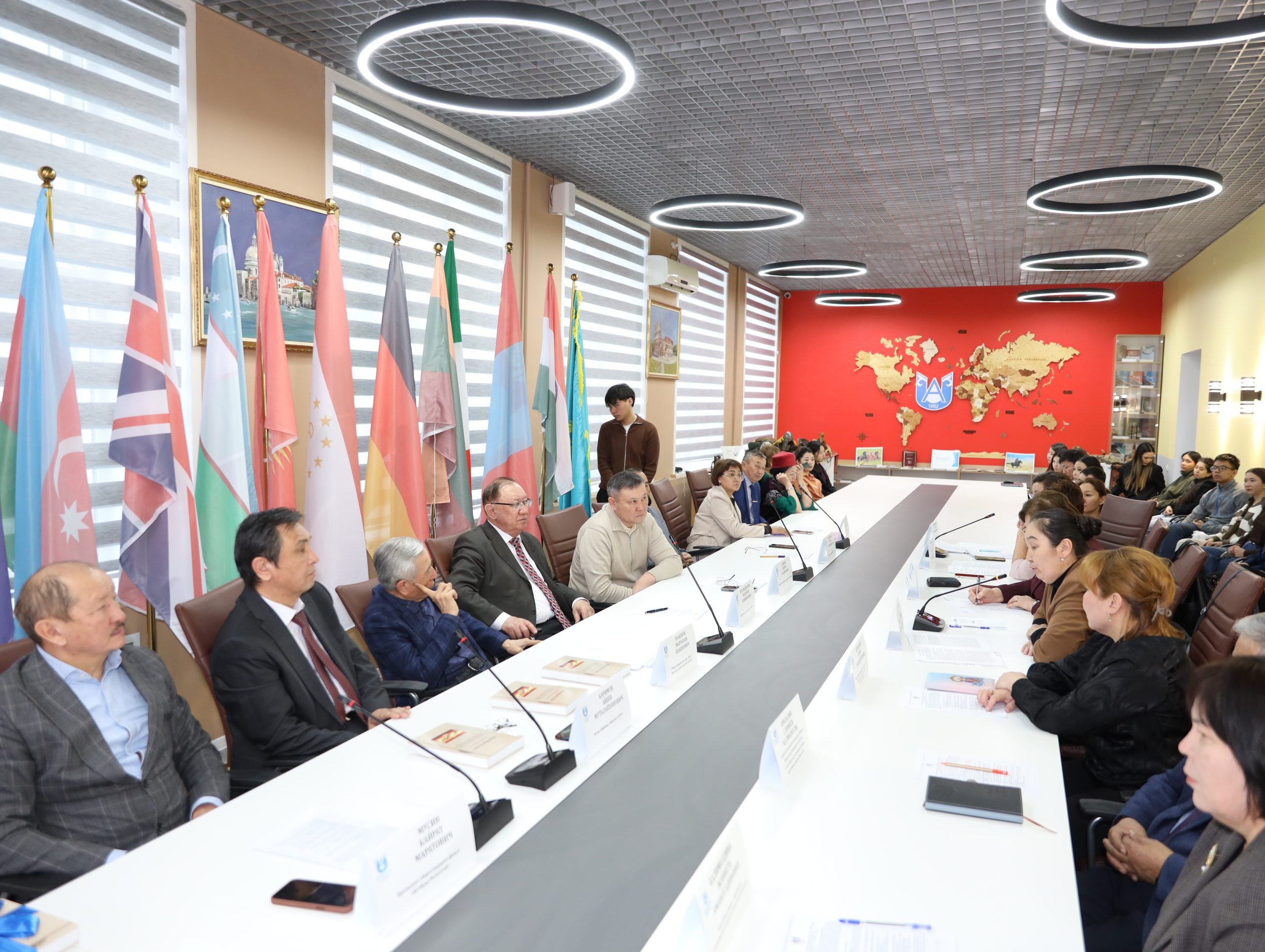
At Sarsen Amanzholov East Kazakhstan University, a round table was held dedicated to understanding the role of the horse in the history and culture of the Kazakh people. The event brought together representatives of academia, government institutions, public organizations, and educational institutions of the region.
The meeting was moderated by the Chairman of the Board – Rector, Professor Tolegen Mukhtar, who in his opening remarks emphasized the particular importance of studying the historical heritage of the Great Steppe in the context of modern social processes and spiritual renewal.
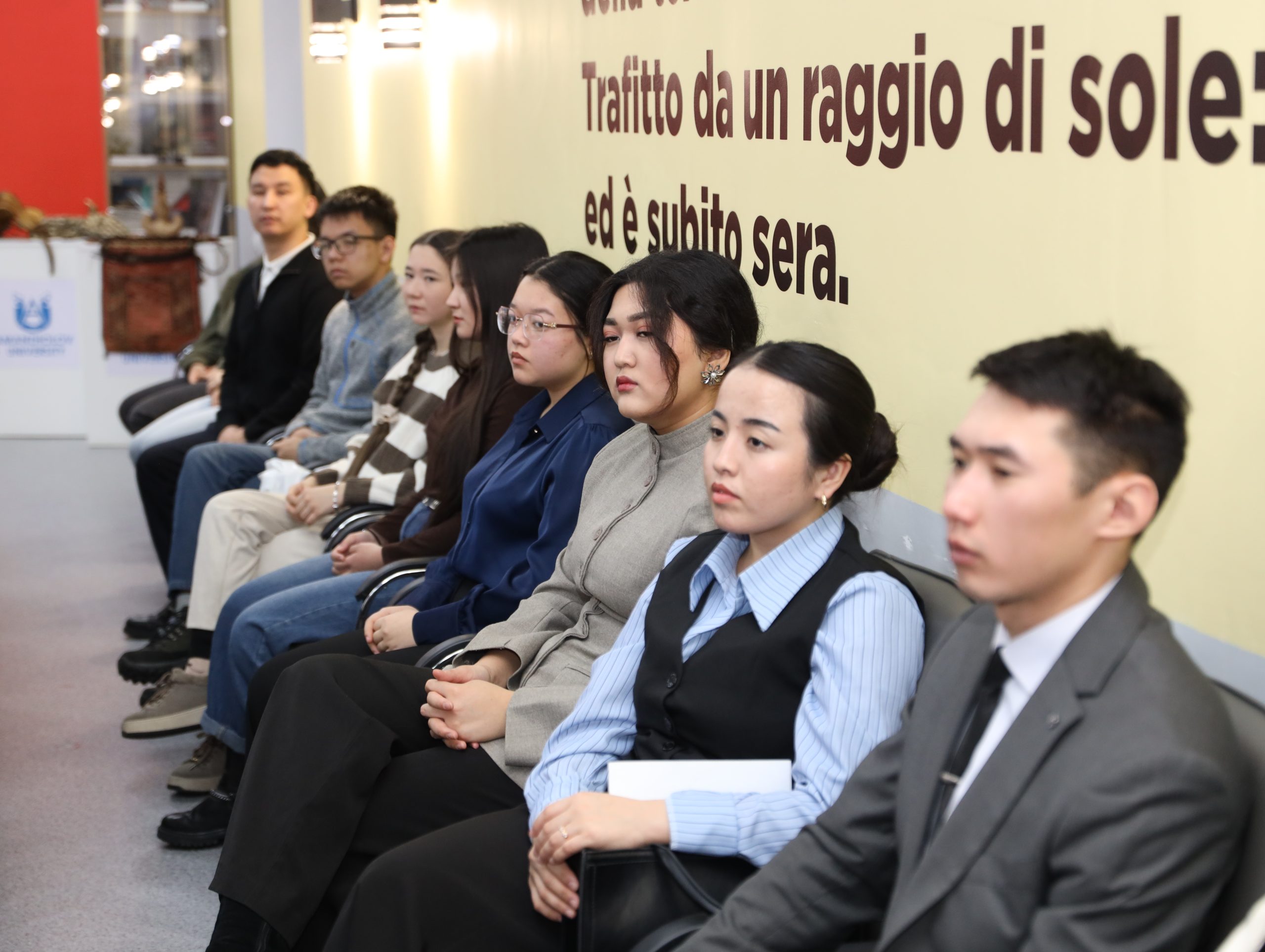
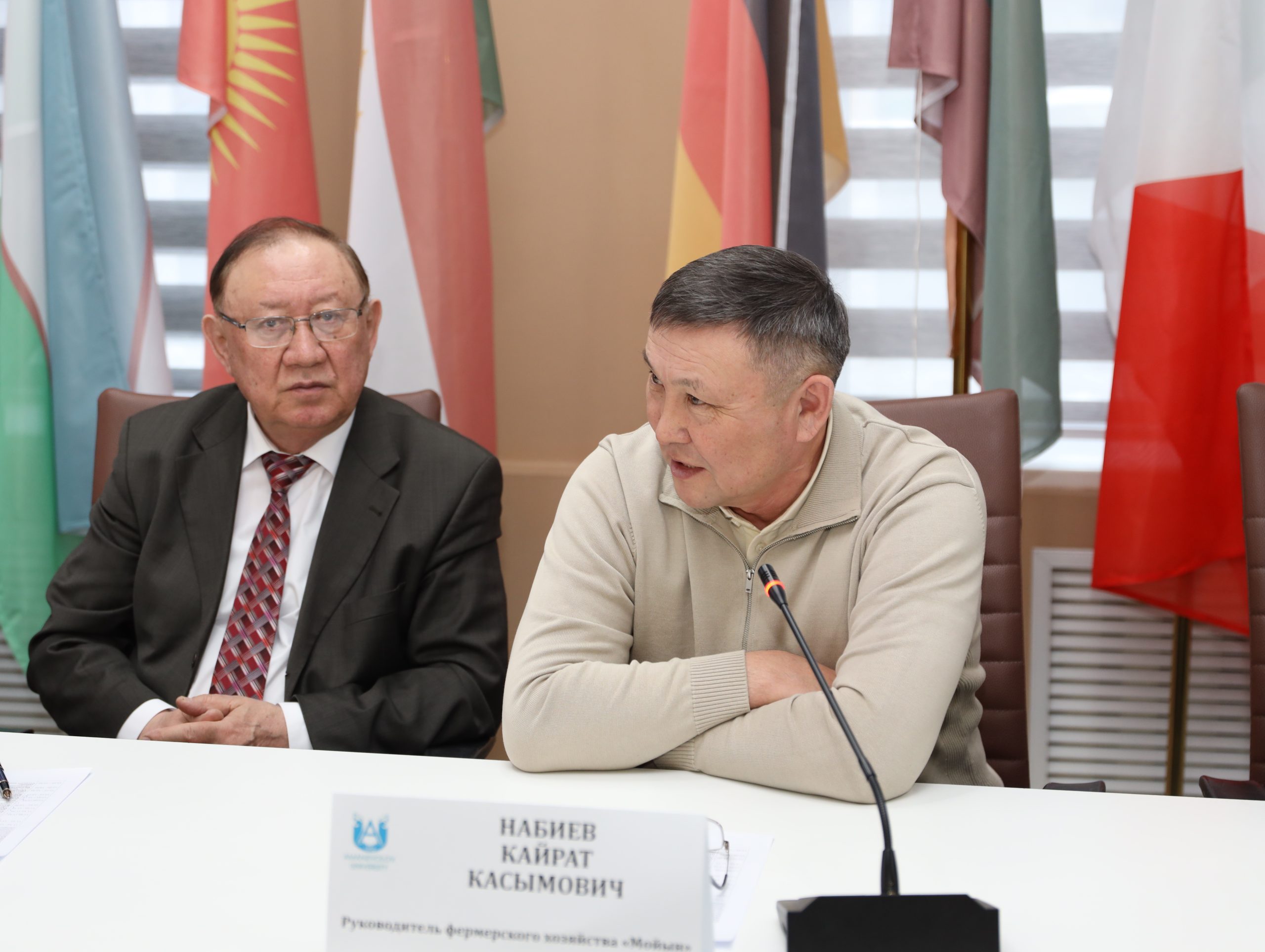
The discussion was attended by representatives of the East Kazakhstan Regional Administration, the Department of Agriculture of the East Kazakhstan Region, members of the public foundation “Ketbuka-Tolegetai,” heads of regional farms, staff of the East Kazakhstan Regional Library named after A.S. Pushkin, university lecturers and students, as well as teachers of history, Kazakh language and literature from schools in the city of Ust-Kamenogorsk.
During the program, presentations were delivered that revealed various aspects of the topic. The Chairman of the Board of Sarsen Amanzholov East Kazakhstan University, Amirkhan Rakhimzhanov, delivered a presentation dedicated to plans stemming from the speech of the President of the Republic of Kazakhstan, Kassym-Jomart Tokayev, at the Kurultai, noting the need for systematic study and popularization of national historical and cultural heritage.
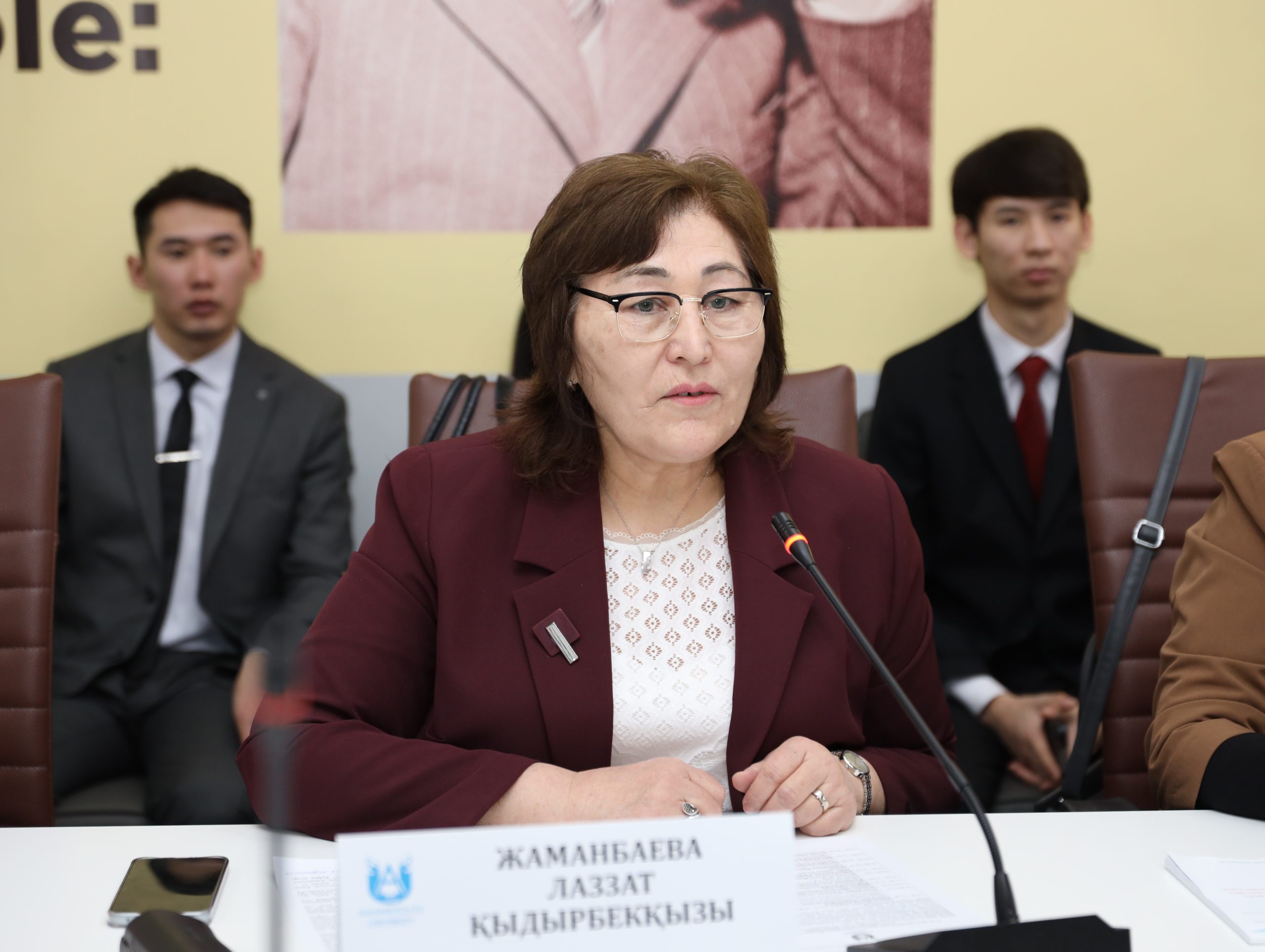
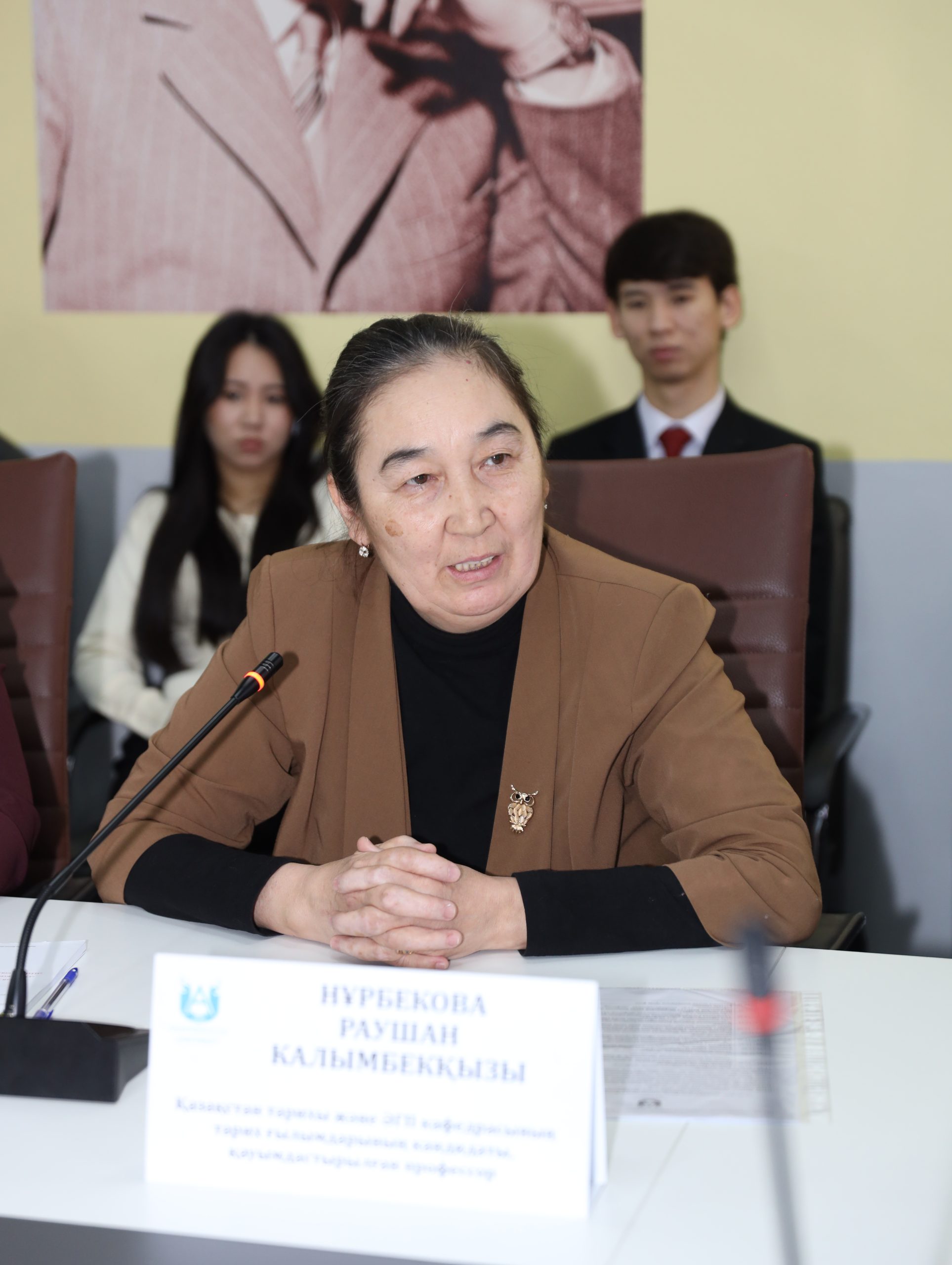
Particular interest was drawn to the presentation of the collection “Zhylky Tyligi,” presented by its author Aibek Karimov. In their speeches, Raushan Nurbekova and Lazzat Zhamanbayeva shared scientific and personal reflections on the significance of this work and its contribution to the study of steppe traditions.
Veteran of public service Myrzakhan Shakenov highlighted current issues in the organization of horse breeding, emphasizing the importance of preserving the industry as part of the cultural and economic heritage of the region.
The scientific aspect of the topic continued with reports on the protohistory of horse domestication and the role of the Great Steppe in early eras, on the relationship between the military system and the formation of statehood, as well as on the significance of the image of the horse in shaping national identity.
The round table became a platform for meaningful dialogue between representatives of science, government, and the public. Participants noted that the image of the horse in Kazakh culture is not only a symbol of nomadic civilization, but also an important element of historical memory, national identity, and the spiritual continuity of generations.
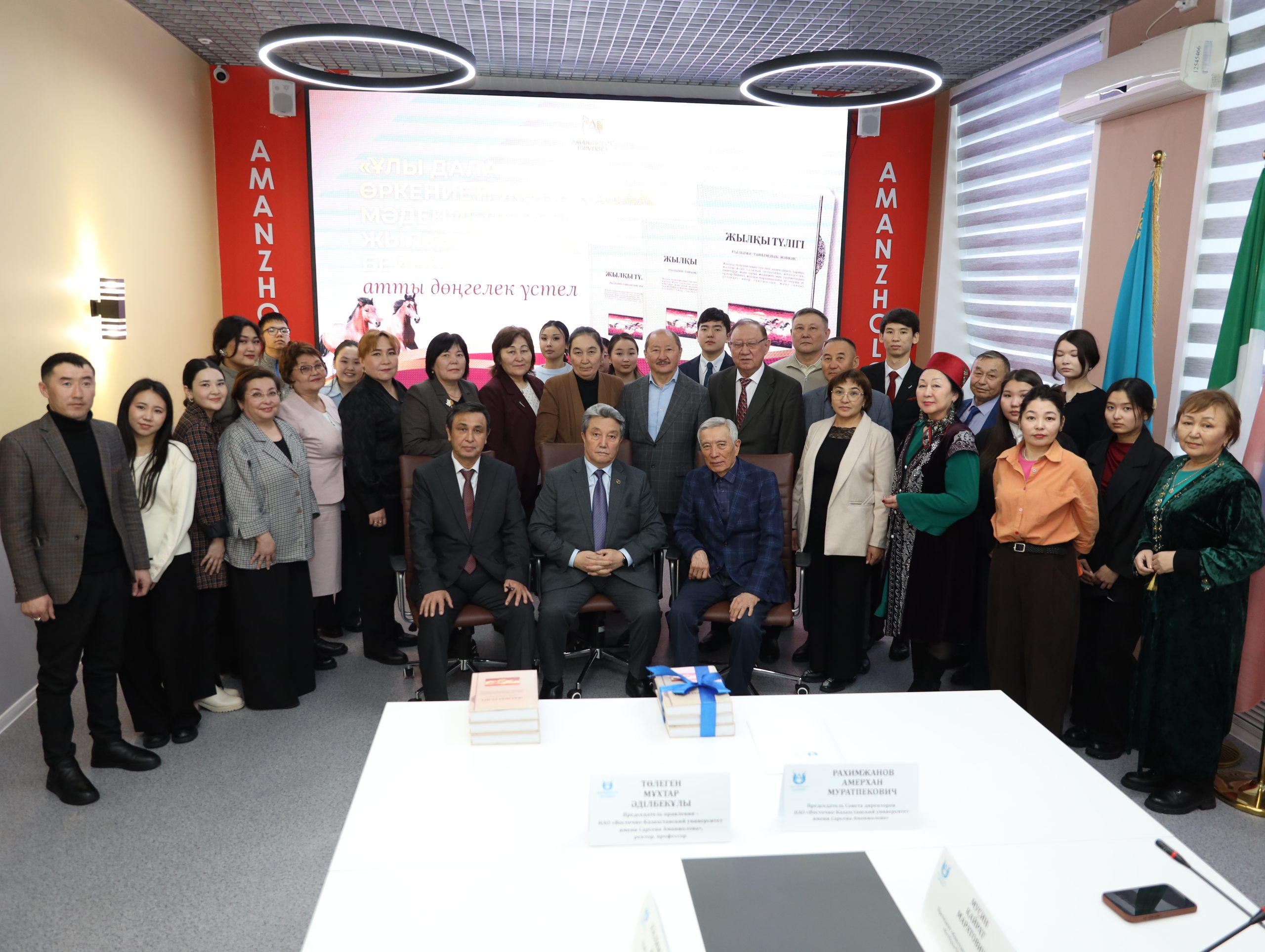
At the end of the meeting, a group photo with the guests was taken, symbolizing unity in the effort to preserve and enhance the cultural heritage of the Great Steppe.