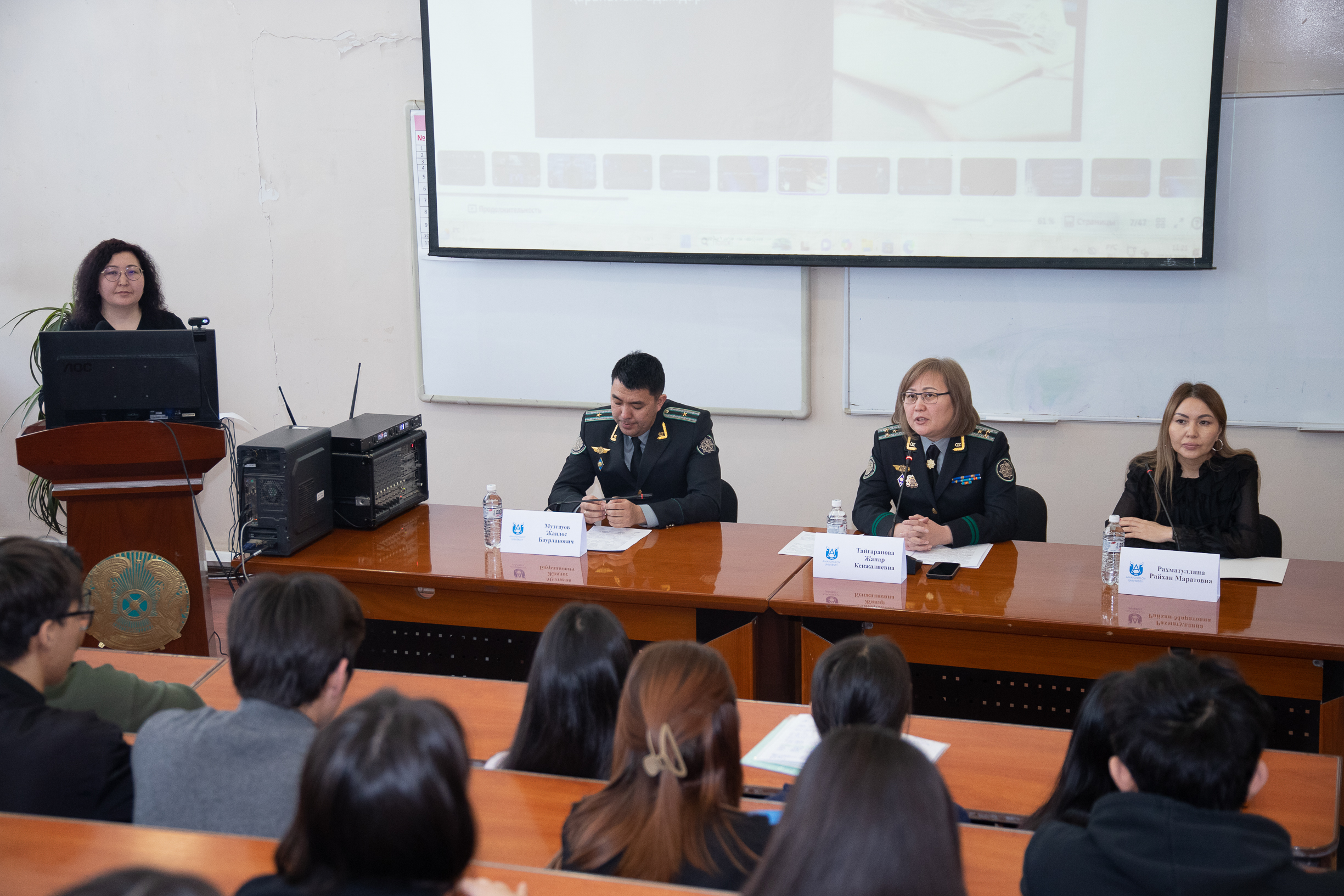
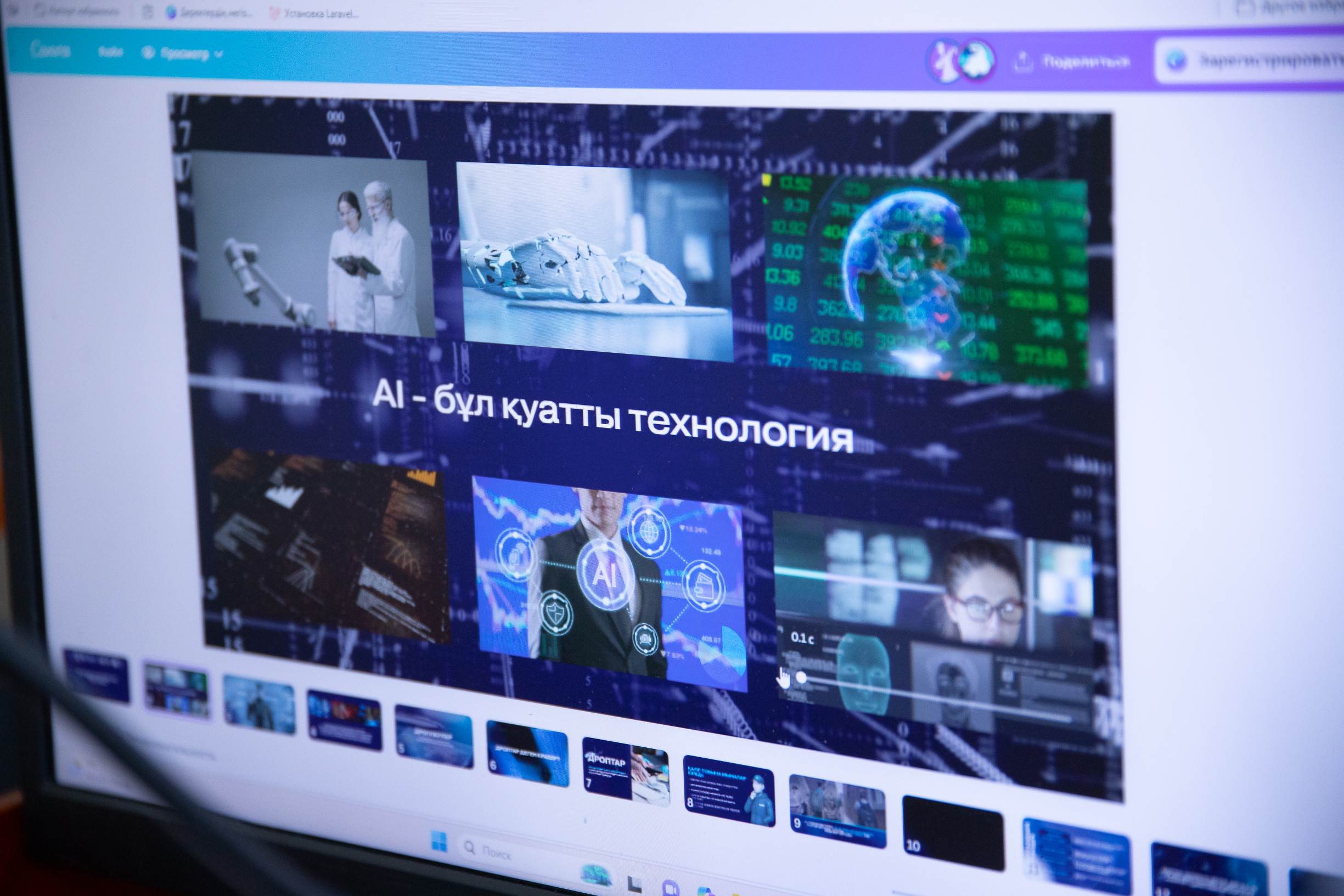
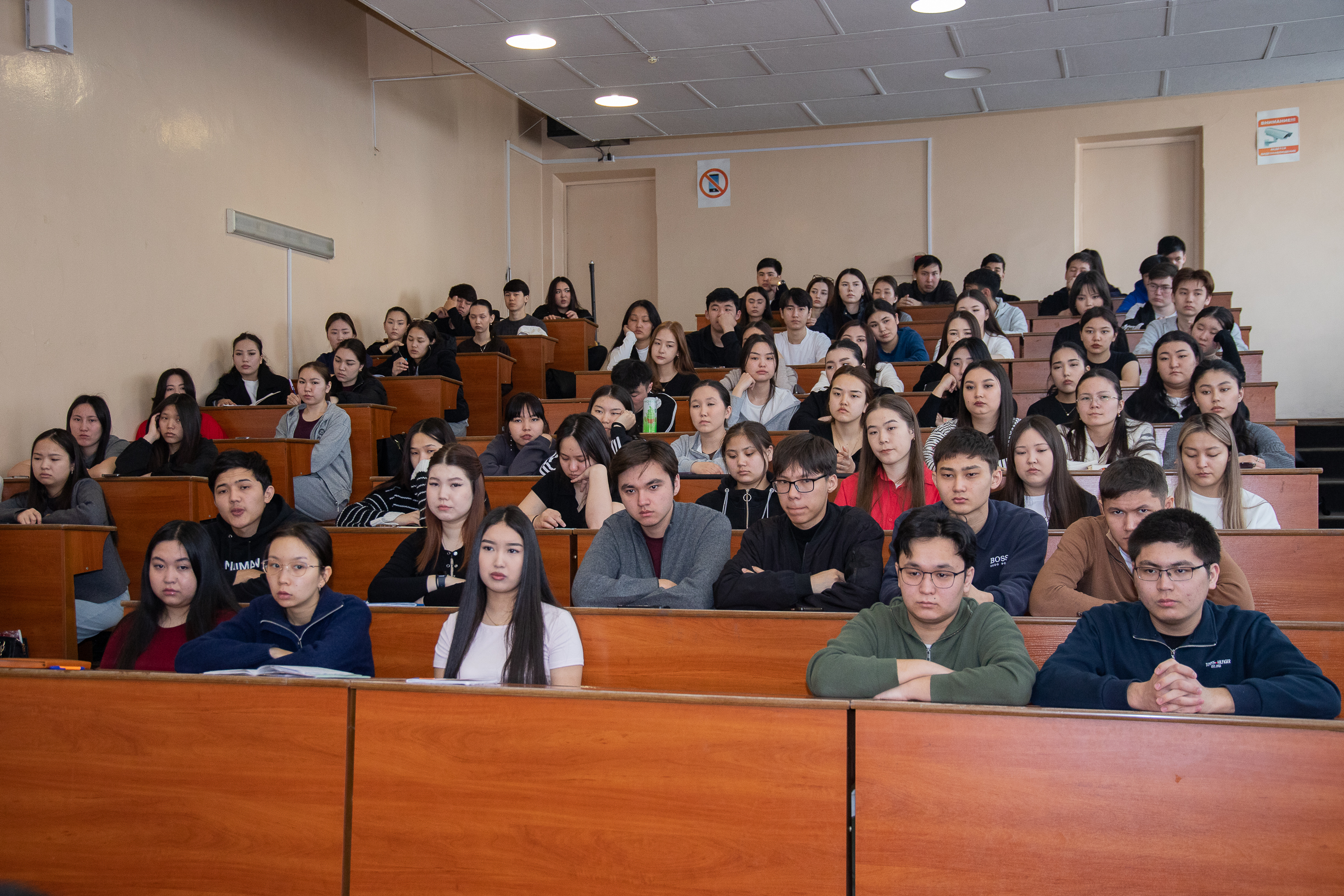
At Sarsen Amanzholov East Kazakhstan University, a preventive event was held focusing on the current threats of the digital era — the use of artificial intelligence in fraudulent schemes and the issue of dropperism.
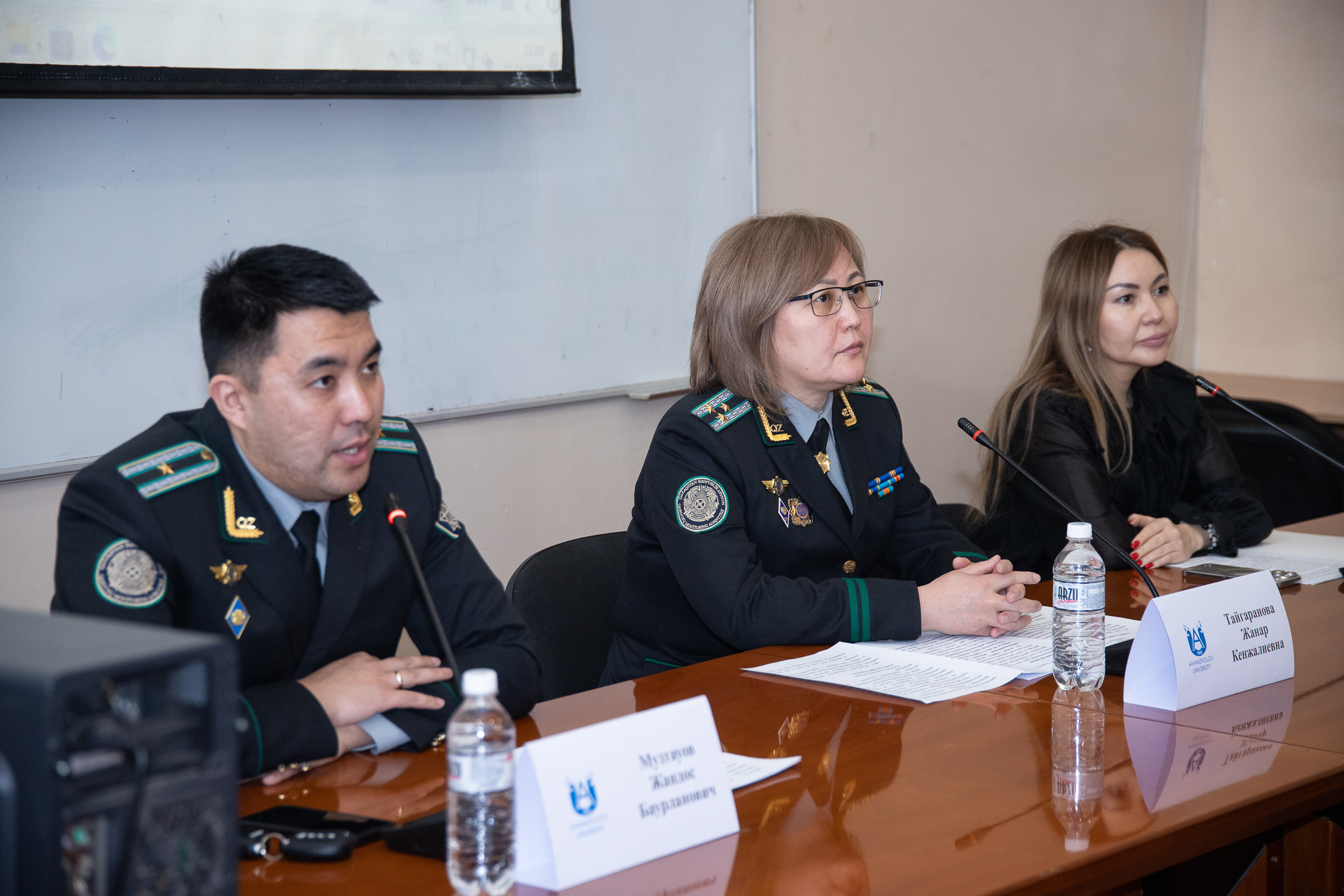
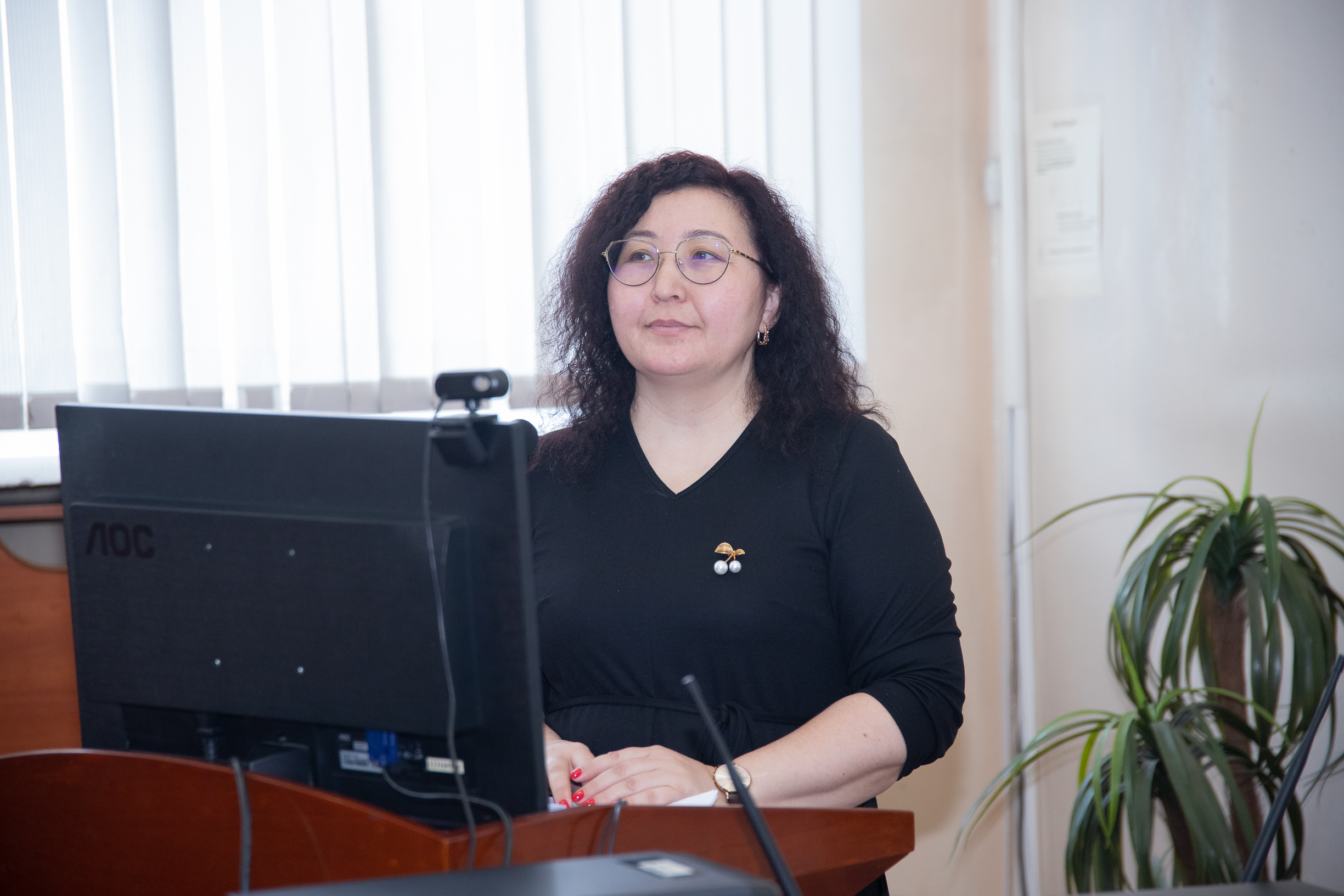
The speakers included representatives from the Department of Economic Investigations of East Kazakhstan Region: Head of the Administrative Department Raikhan Rakhmatullina, Investigator for Especially Important Cases Zhandos Muztauov, Head of the Headquarters Department Zhanar Taigaranova, as well as Senior Lecturer Dinara Mamyrbekova.
During the lecture, participants were provided with detailed information about the opportunities and risks associated with the development of artificial intelligence. Special attention was given to how modern technologies are exploited by criminals to create deepfakes, phishing attacks, fake websites, and other types of cyber fraud.
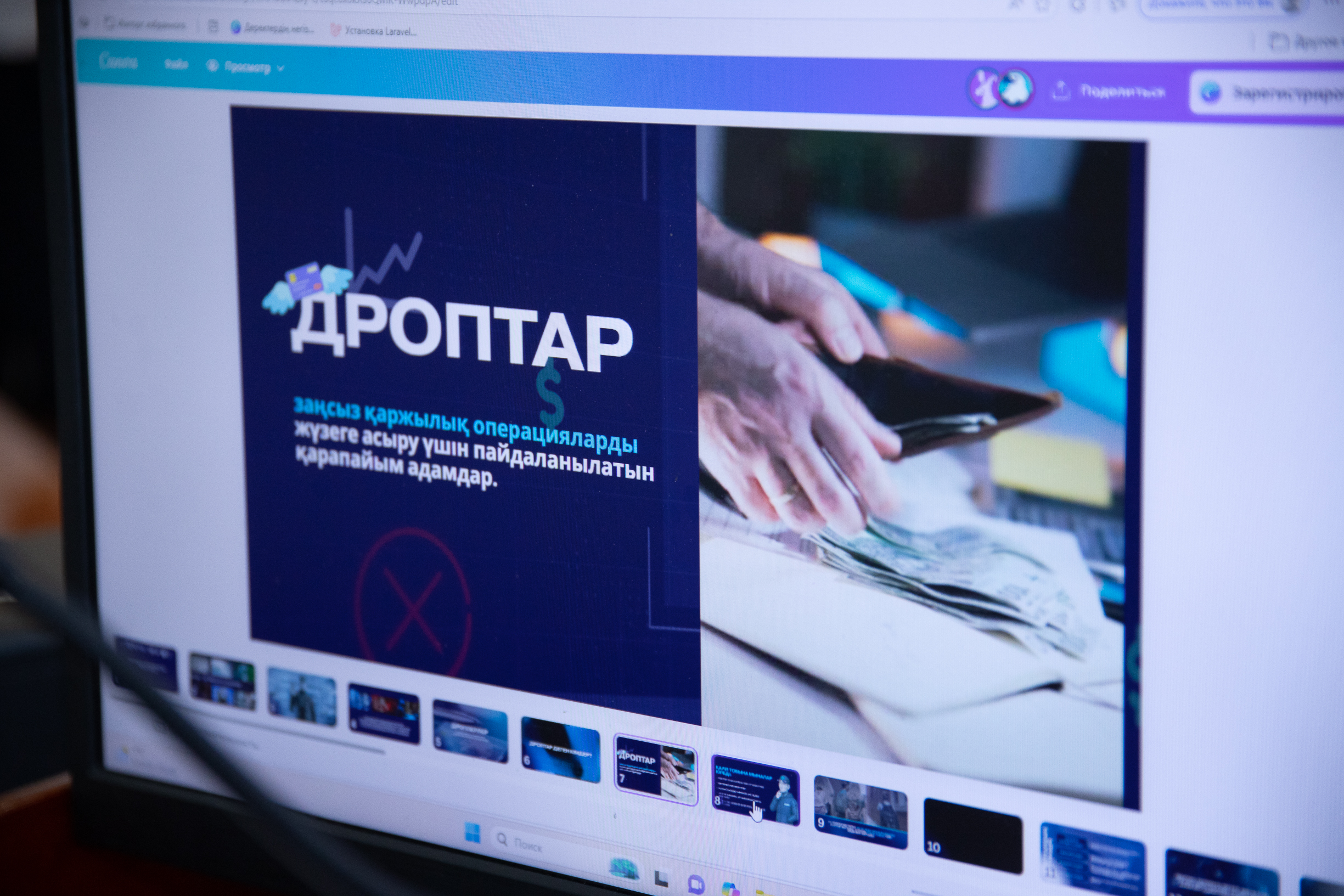
The speakers explained who droppers are and the role they play in criminal financial schemes. It was noted that young people are most often at risk, attracted by promises of easy money. Participants were informed about the types of liability for involvement in such schemes, including criminal and financial consequences.
Real-life examples of fraud using voice and video deepfakes, as well as online dating and investment scams, were examined. Students were shown how criminals manipulate trust using modern technologies.
The interactive part of the lecture drew particular interest. Participants answered questions, took part in an anonymous survey, and joined an online quiz where they could test their knowledge of digital security. Winners received commemorative prizes.
At the conclusion of the event, students were given practical recommendations for protecting themselves from fraud: use code words with close contacts, avoid transferring money to strangers, verify information, and follow digital security rules.
Holding such events helps improve financial and digital literacy among youth, develop critical thinking, and build resilience to modern cyber threats.