14 October 2026
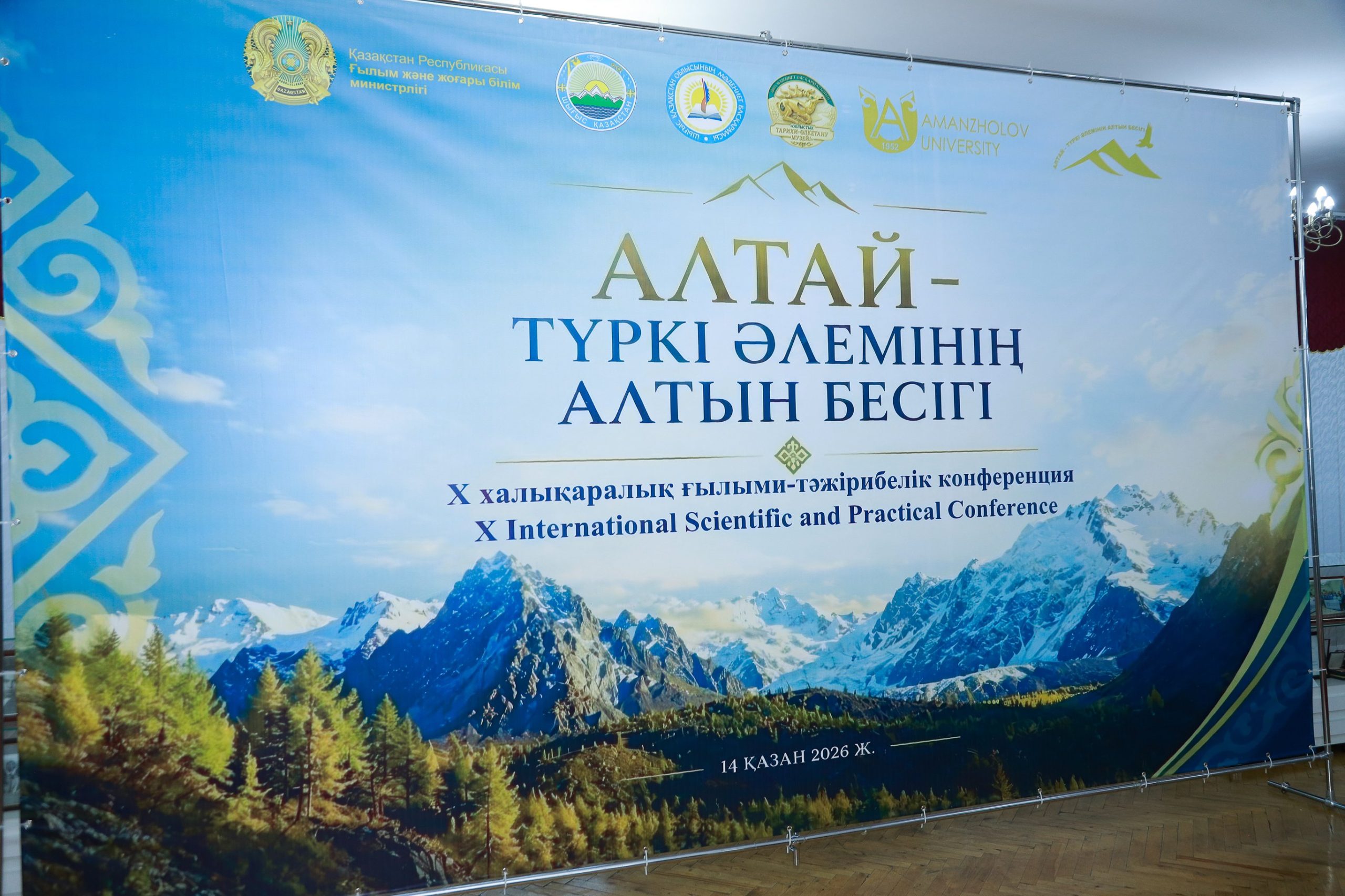
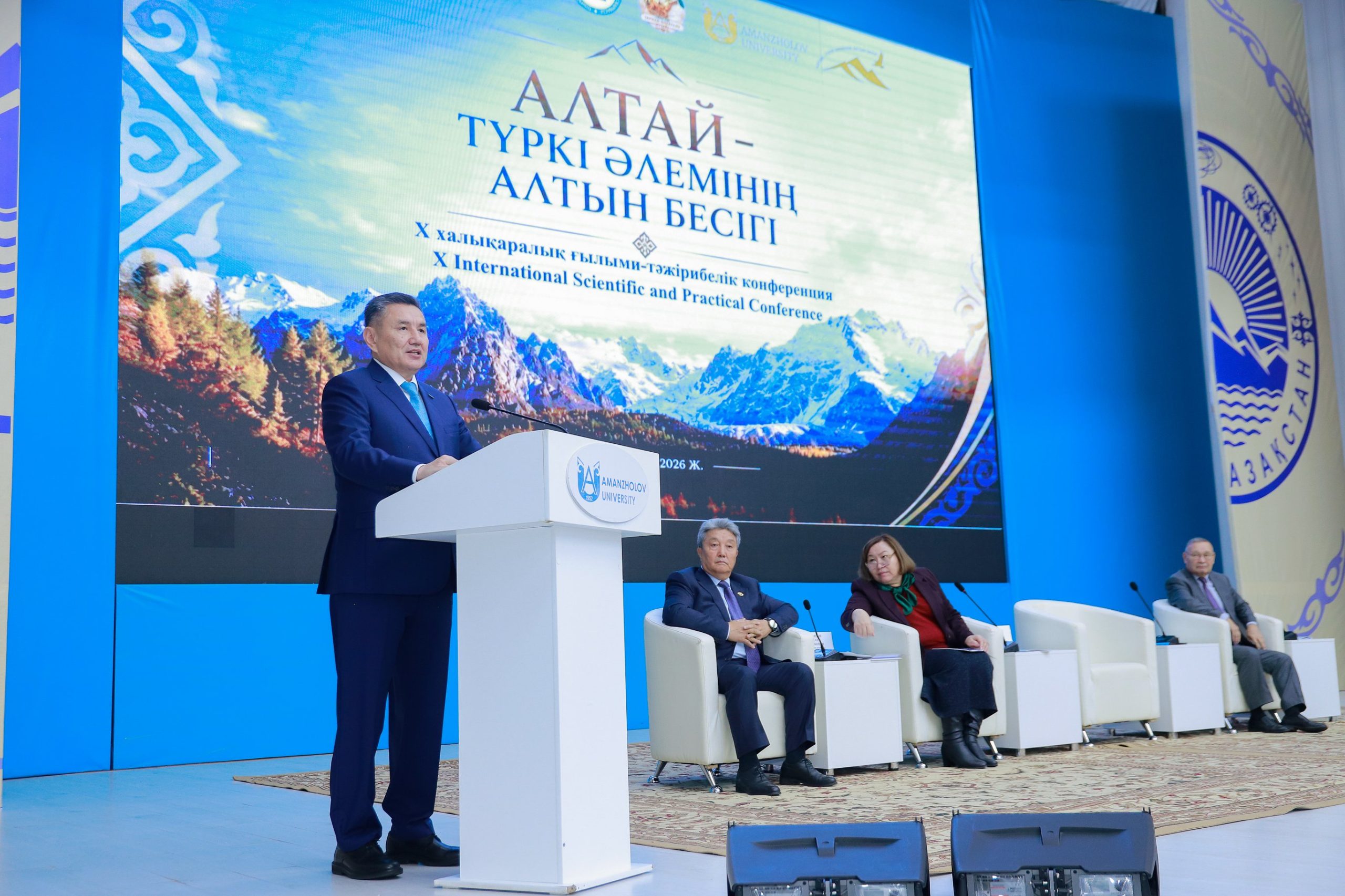
10TH INTERNATIONAL CONFERENCE “ALTAI – THE GOLDEN CRADLE OF THE TURKIC WORLD” HELD AT AMANZHOLOV UNIVERSITY
Sarsen Amanzholov East Kazakhstan University hosted the 10th International Scientific and Practical Conference “Altai – The Golden Cradle of the Turkic World.” The international academic forum is dedicated to the study of the historical and cultural heritage of Altai, its role in the development of Turkic civilization, and the preservation of historical memory.
This year, the conference is dedicated to the 100th anniversary of the First All-Union Congress of Turkologists and the 135th anniversary of Radlov’s Orkhon Expedition. The event was organized by the Ministry of Science and Higher Education of the Republic of Kazakhstan, the Akimat of East Kazakhstan Region, the Regional Museum of History and Local Lore, and Sarsen Amanzholov East Kazakhstan University.
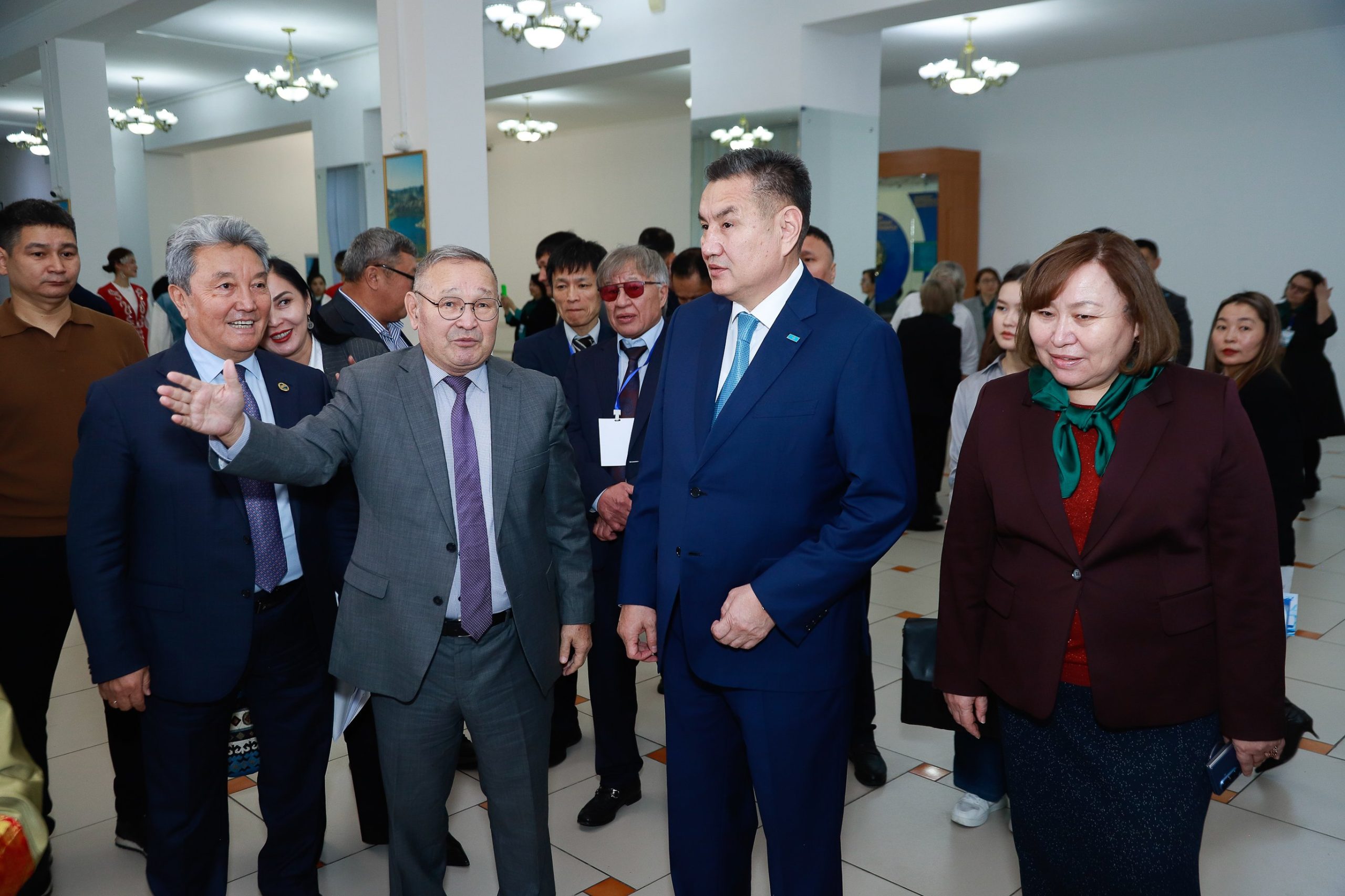
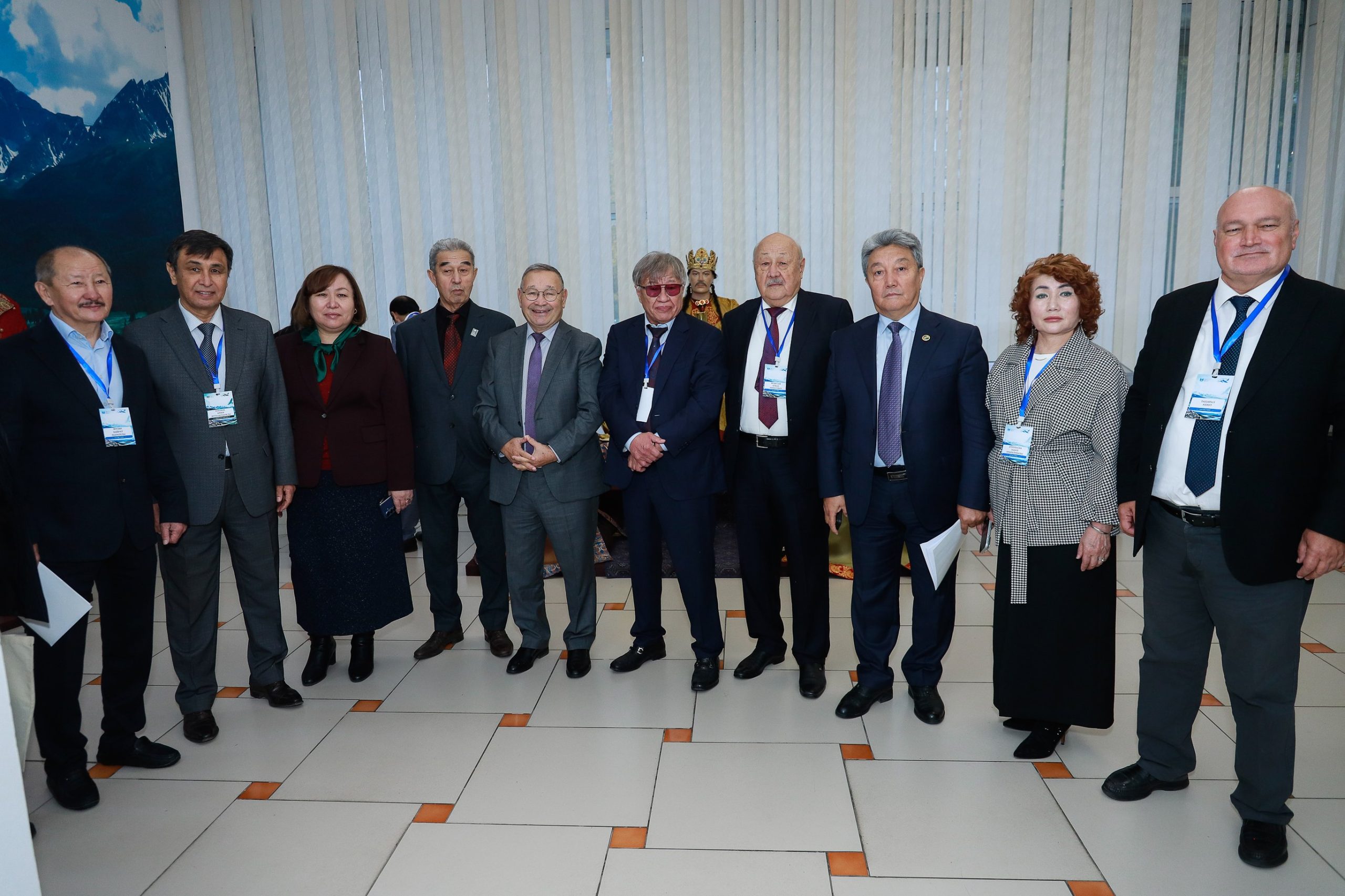
More than 200 representatives of the academic community are taking part in the forum, including international researchers from Türkiye, Mongolia, Japan, Germany, Hungary, China, Malaysia, Russia, and other countries, as well as scholars from various regions of Kazakhstan.
The plenary session was moderated by The Chairman of the Board – Rector Gulzhan Jarassova.
Nury mbet Saktaganov, Akim of East Kazakhstan Region, delivered a welcoming address to the participants.
The plenary session featured presentations exploring historical, archaeological, and cultural aspects of the Turkic world.
Amerkhan Rakhimzhanov, Chairman of the Board of Directors of Sarsen Amanzholov East Kazakhstan University, presented a report entitled “The Historical and Cultural Heritage of Altai in Education, the Upbringing of the Younger Generation, and the Formation of National Identity.” His presentation focused on the importance of historical heritage in educating young people, preserving cultural values, and shaping national identity.
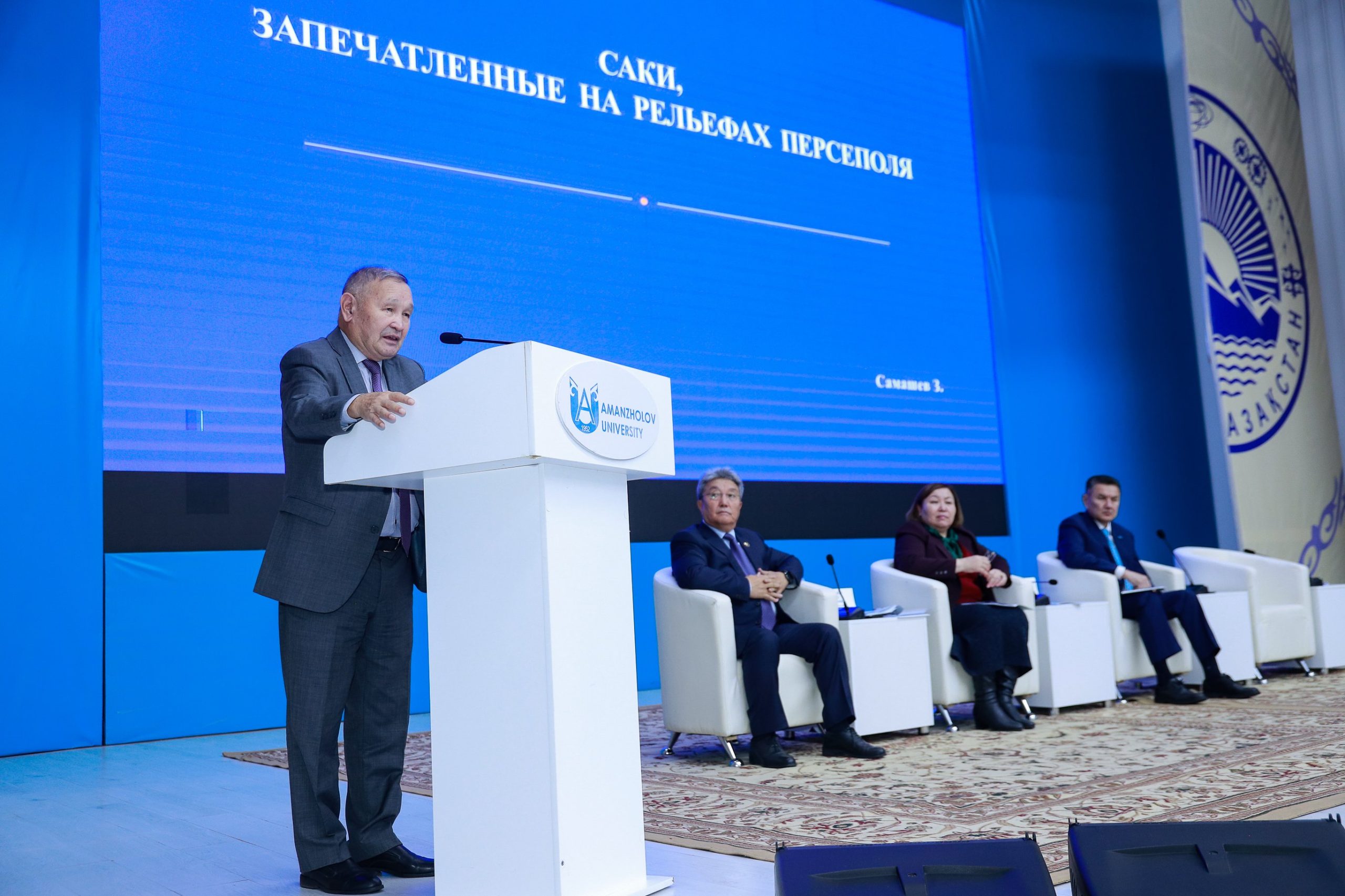
Renowned Kazakhstani archaeologist Professor Zainolla Samashev delivered a presentation entitled “Saka Envoys Depicted on the Apadana Reliefs at Persepolis.” The report focused on historical and archaeological evidence related to depictions of Saka representatives on the reliefs of ancient Persepolis.
Professor Ahmet Taşağıl of Fatih Sultan Mehmet Vakıf University in Türkiye presented a report entitled “Turkic Tribes That Inhabited the Altai Region in Ancient Times.” His presentation addressed the history of ancient Turkic tribes and the significance of the Altai region in the history of the Turkic peoples.
Kairat Zakiryanov, President of the Kazakh Academy of Sport and Tourism, delivered a report entitled “East Kazakhstan in the History of Genghis Khan and the Golden Horde.” The presentation examined the historical role of the region in the events of the Genghis Khan era and the history of the Golden Horde.
Azat Aitkali, Leading Researcher at the Margulan Institute of Archaeology, presented the study “The Ancient Turkic Cultural Complex of Kazakhstan Based on Archaeological Materials.” The report focused on the study of ancient Turkic culture through archaeological sources.
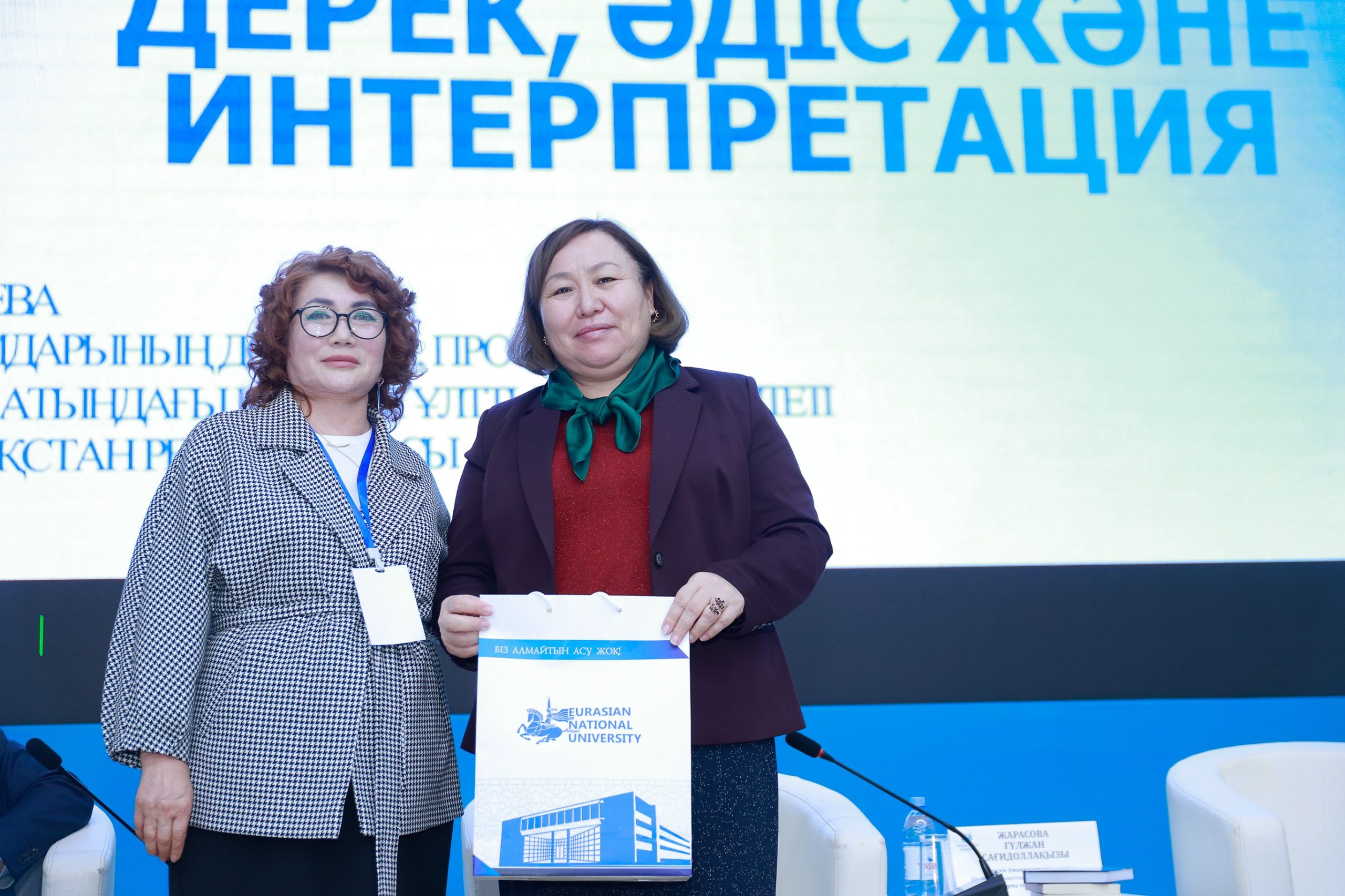
Zadash Dukenbayeva, Professor at L.N. Gumilyov Eurasian National University, presented a report entitled “Historical Reconstruction in Turkological Studies: Sources, Method, and Interpretation.” Her presentation addressed methodological approaches to studying the historical past, analyzing sources, and interpreting them academically.
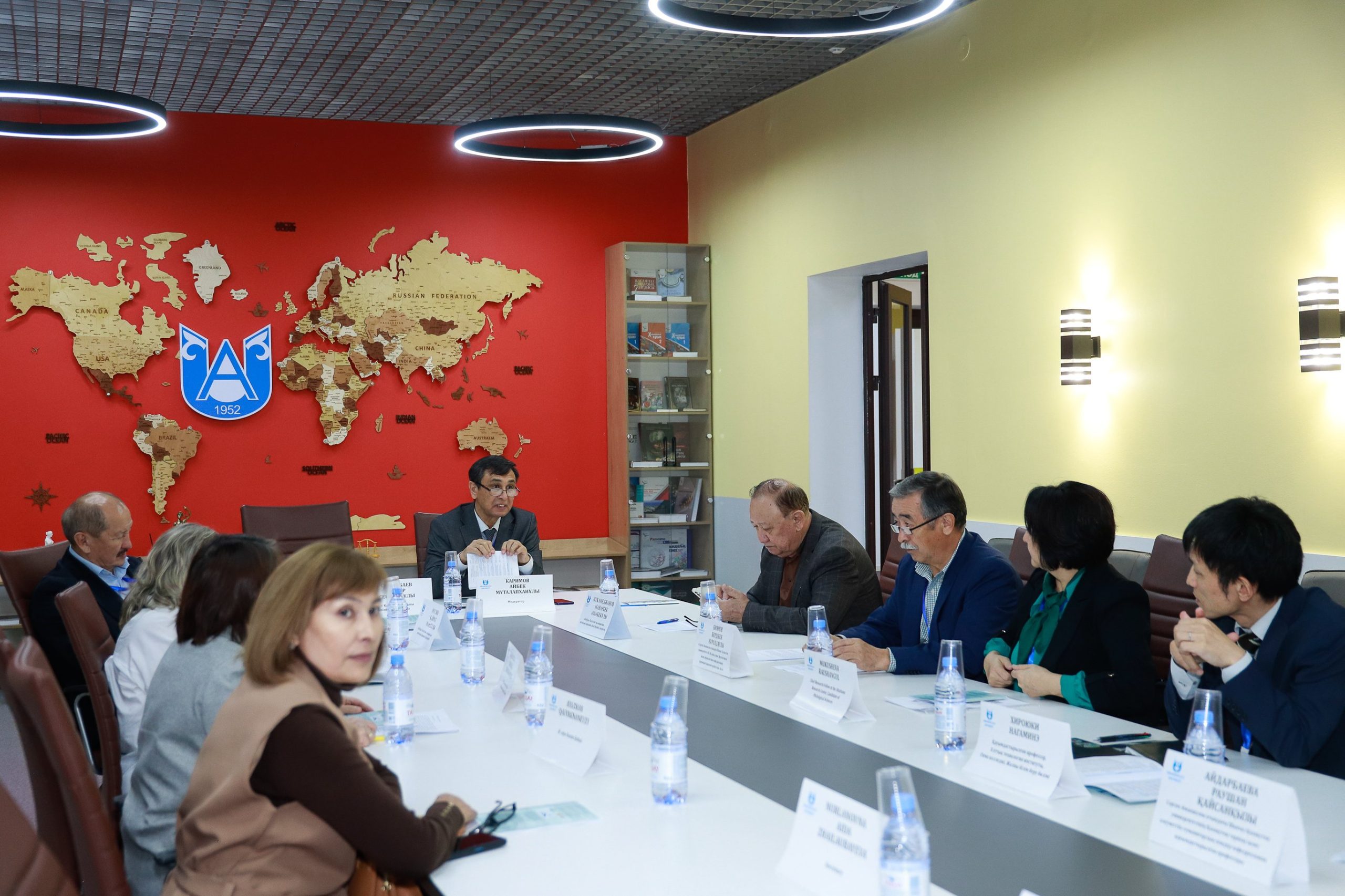
Following the plenary presentations, the conference continued with breakout sessions. Participants discussed a wide range of issues related to the history and culture of the Turkic peoples, the archaeological heritage of Altai, spiritual and intellectual traditions, and modern approaches to studying and teaching history.
Particular attention was paid to the role of the horse in the nomadic culture of the Turkic peoples, the development of horse breeding, and the production of horse equipment. A section devoted to Altai archaeology examined new discoveries and challenges in interpreting archaeological materials in the context of Turkic studies.
Scientific discussions also covered the historical reconstruction of the spiritual heritage of the Turkic peoples, the methodology of Turkological research, and current directions in the development of the discipline. Another area of discussion focused on modern educational practices and technologies for teaching history and social and humanitarian disciplines.
The international conference became a platform for professional dialogue between Kazakhstani and international scholars, the exchange of research experience, and discussion of current issues in the study of the history and culture of the Turkic peoples. The presentations and thematic discussions contribute to a deeper understanding of shared historical and cultural heritage and the development of interdisciplinary research.
The forum strengthens the international academic ties of Sarsen Amanzholov East Kazakhstan University, expands opportunities for cooperation with foreign universities and research centers, and contributes to the development of joint research initiatives. The conference also highlights the University’s role as a platform for academic dialogue and the study of the shared historical and cultural heritage of the Turkic peoples.