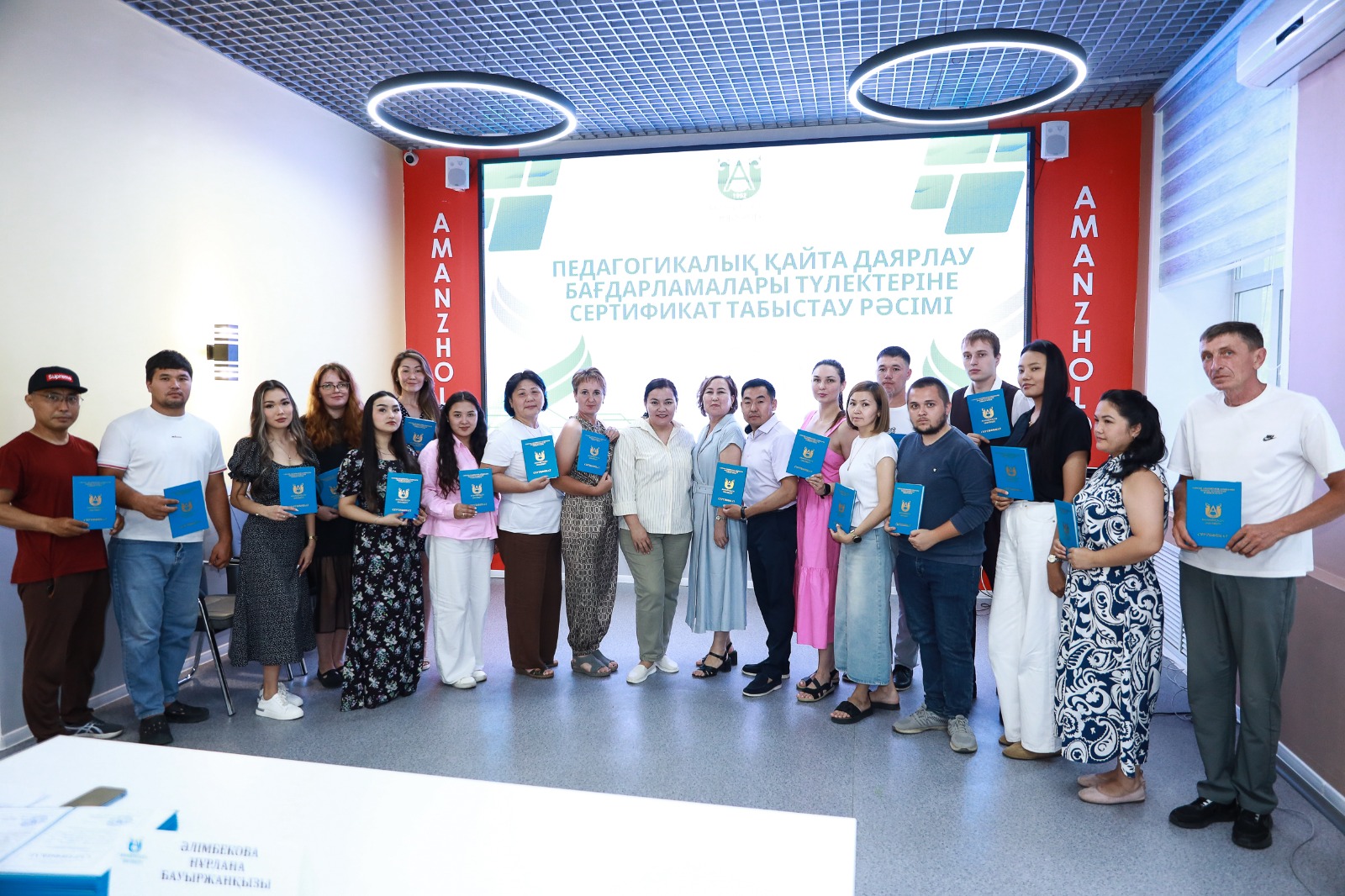
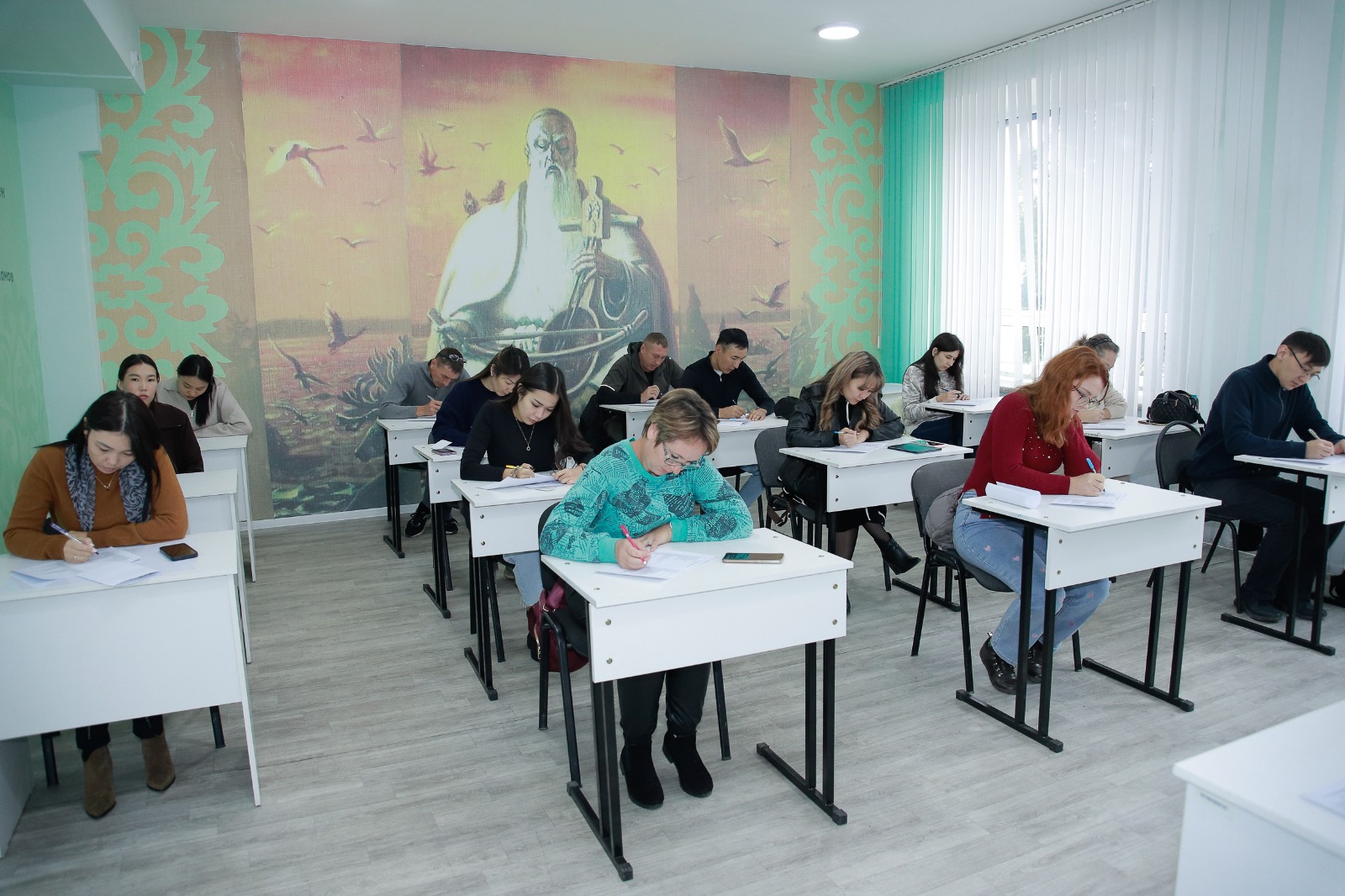
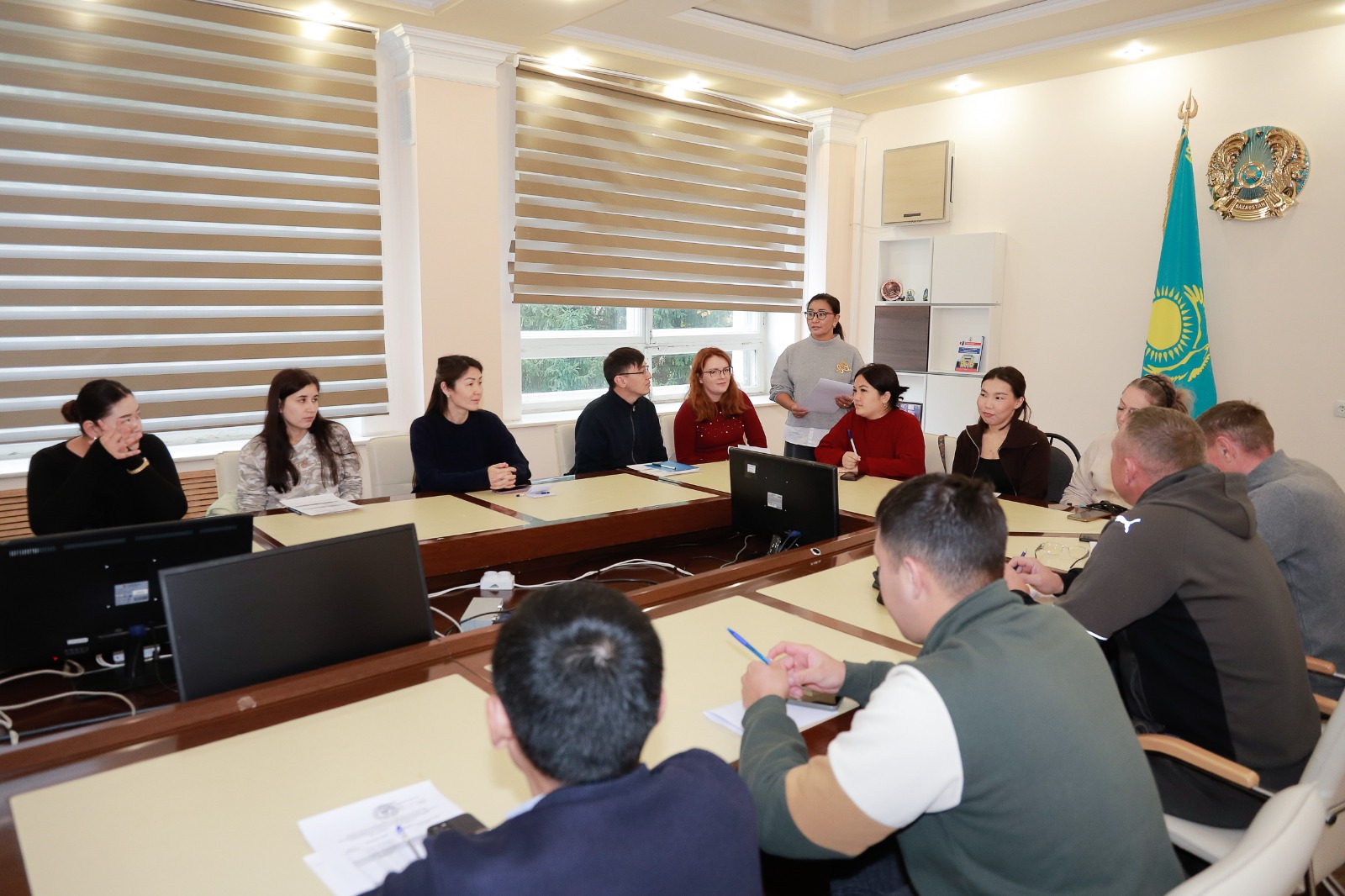
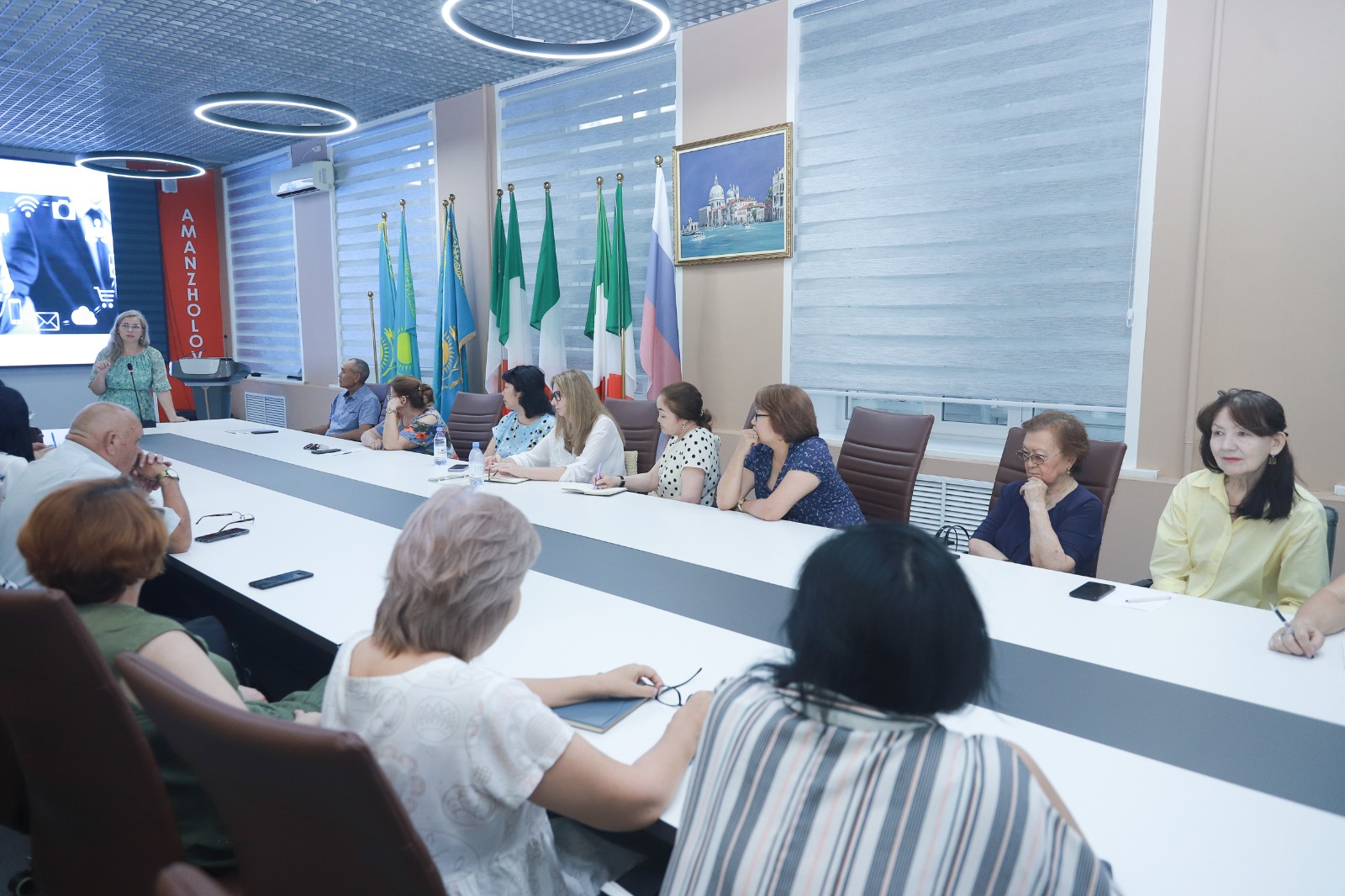
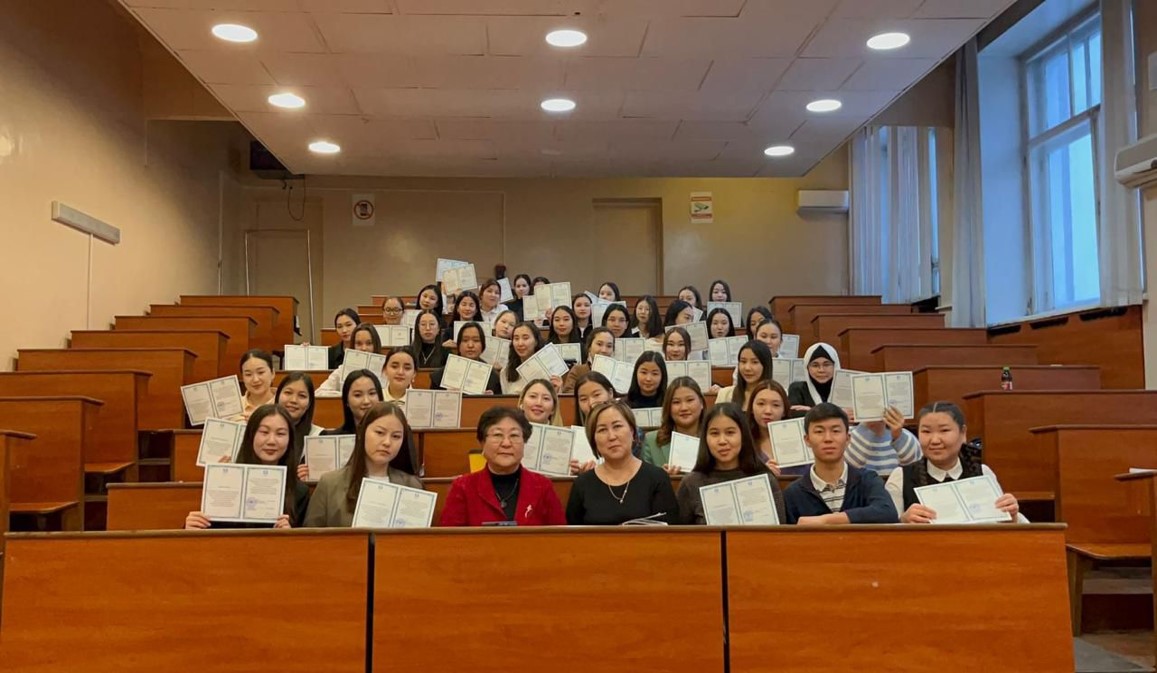
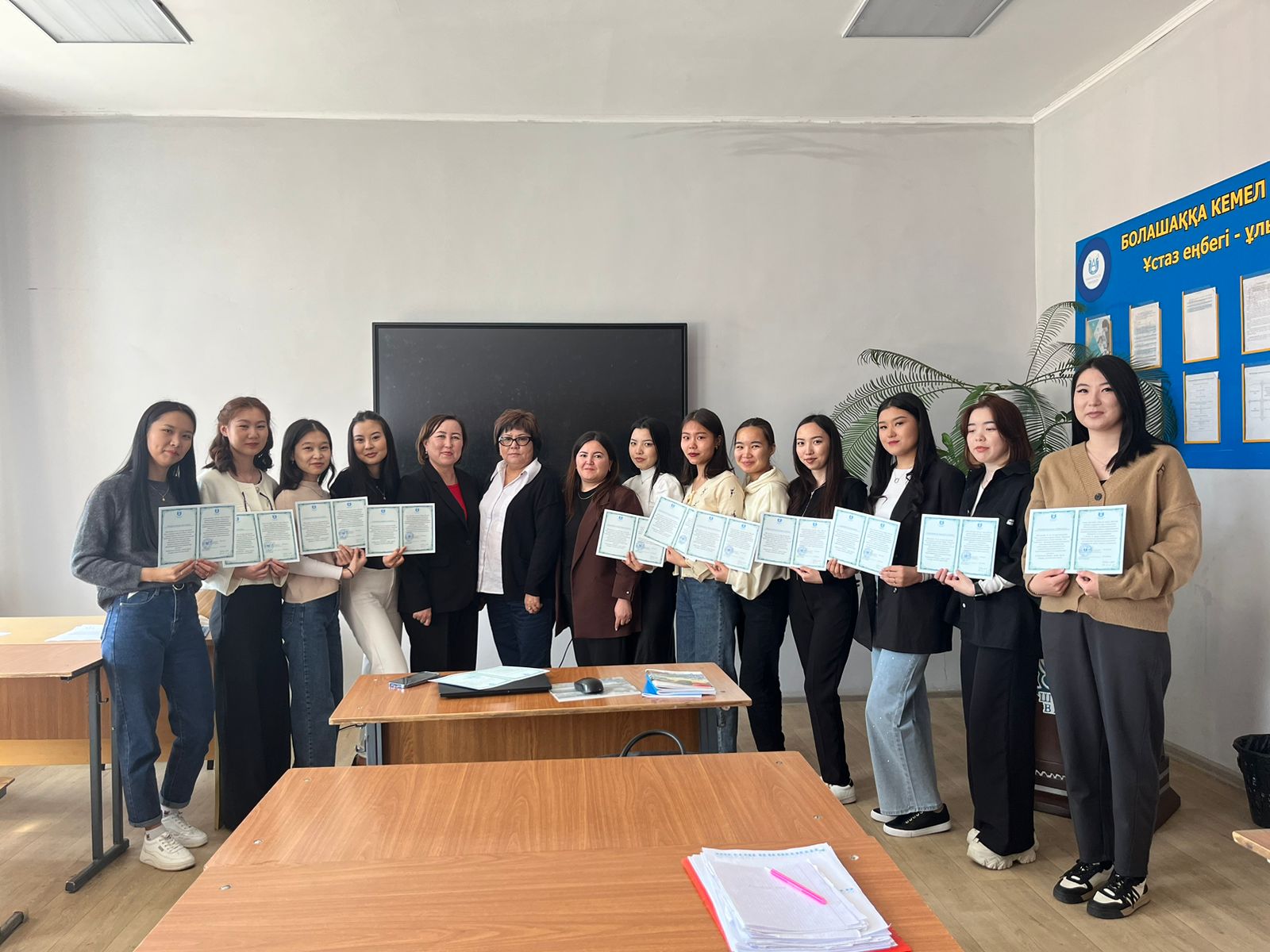
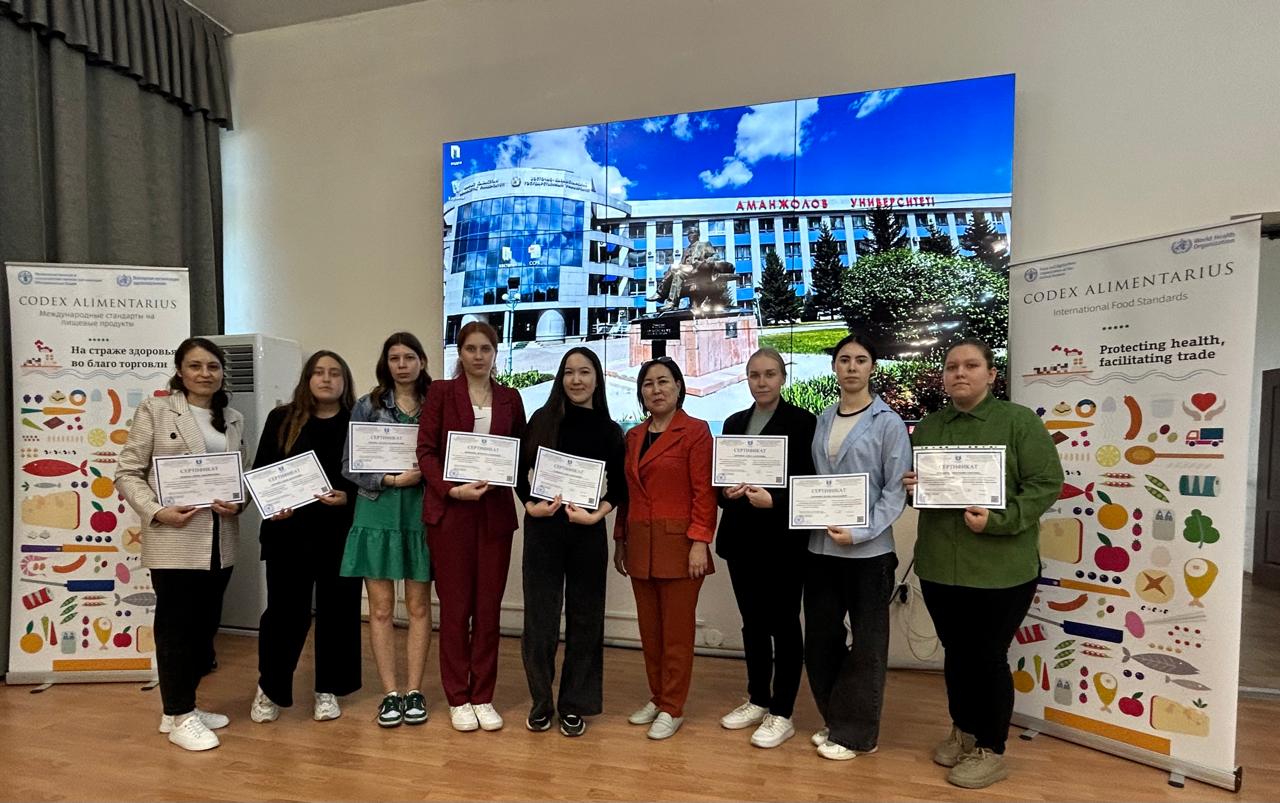
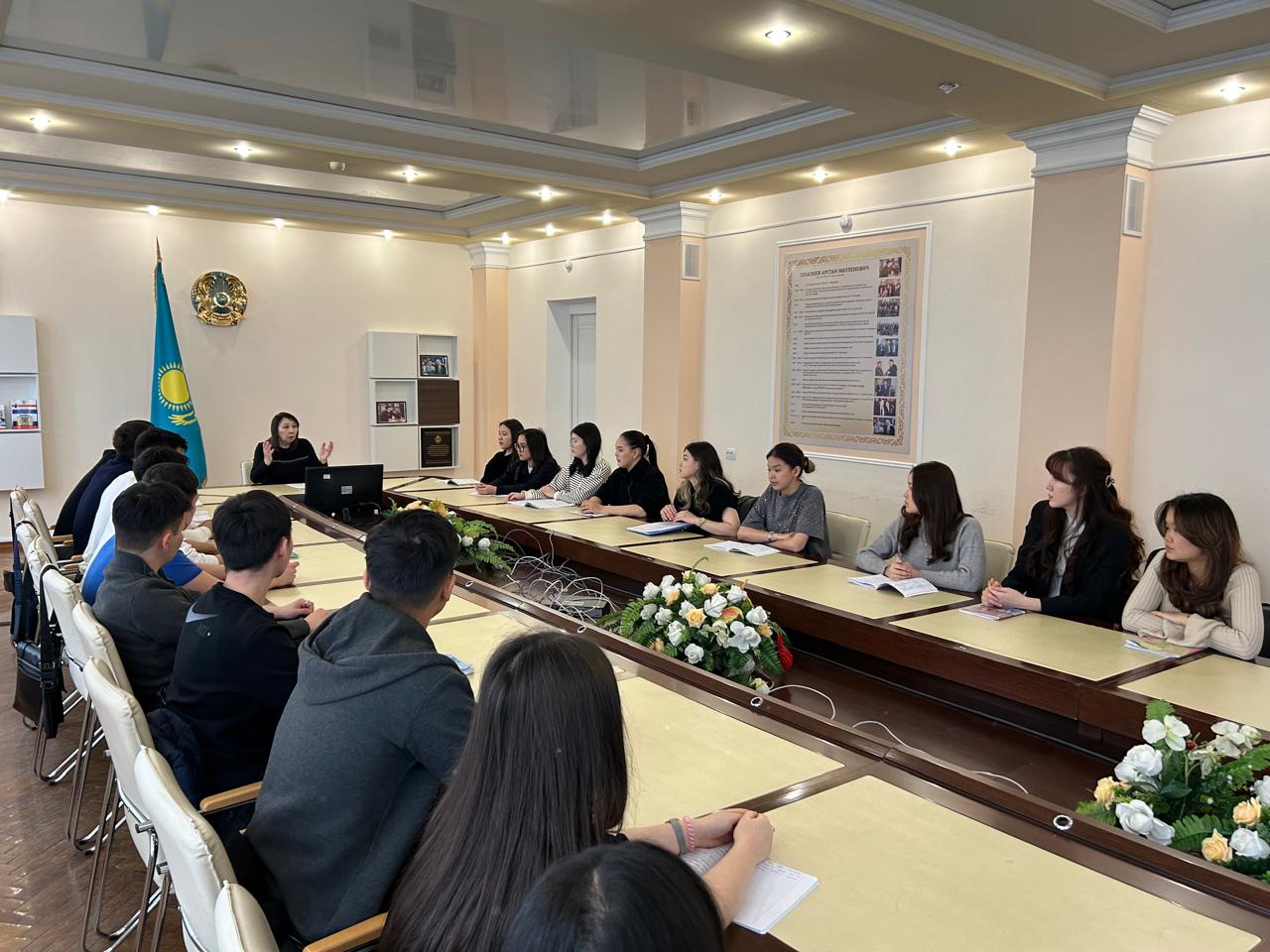
Non-formal education is not only an effective way to acquire new knowledge, but also an opportunity to broaden professional prospects. Professional development, the acquisition of new skills, and the practical application of knowledge help many people take their careers to a new level.
To learn means to develop. To develop means to discover new opportunities. New opportunities lead to new achievements.
Professional development courses are short-term educational programmes aimed at improving a specialist’s existing professional knowledge and skills, as well as helping them adapt to new labour market requirements and technologies.
Retraining courses are additional educational programmes that enable specialists to acquire a new profession significantly different from their previous one or to master a related field. These programmes are designed to develop new competencies and professional skills.
Micro-credentials are a learning format focused on specific labour market needs and allow participants to acquire a particular skill within a relatively short period of time. As a rule, such compact learning modules are completed within one to three months.
Non-formal education enables professionals to develop digital and technological, managerial and strategic, communication and interpersonal (soft skills), as well as adaptive and cross-functional competencies. It is also important to improve knowledge and skills in the areas of media literacy and social media marketing (SMM).
Lifelong learning is the voluntary and continuous process of acquiring new knowledge and developing skills throughout a person’s conscious life, extending beyond formal school or university education.
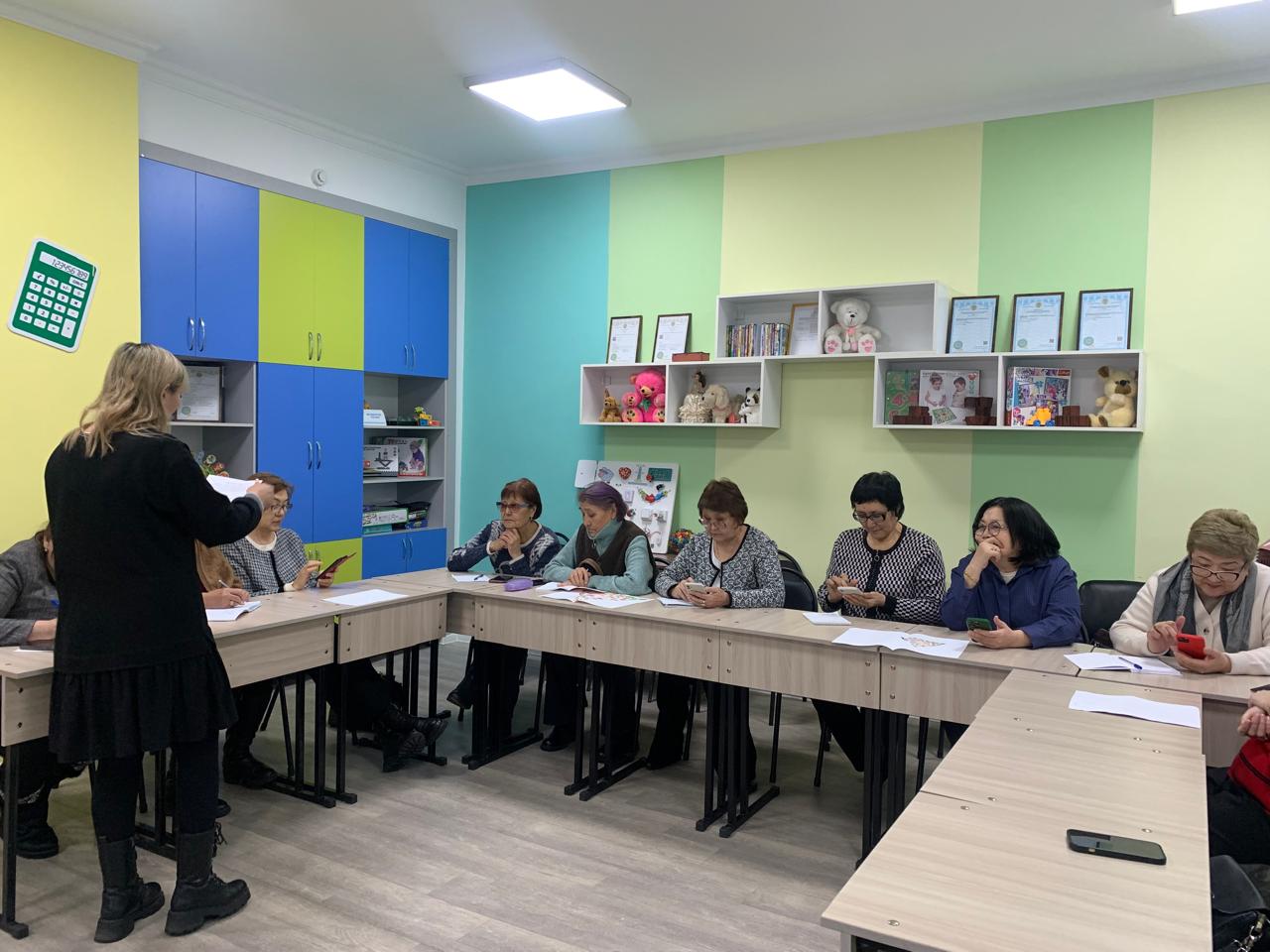
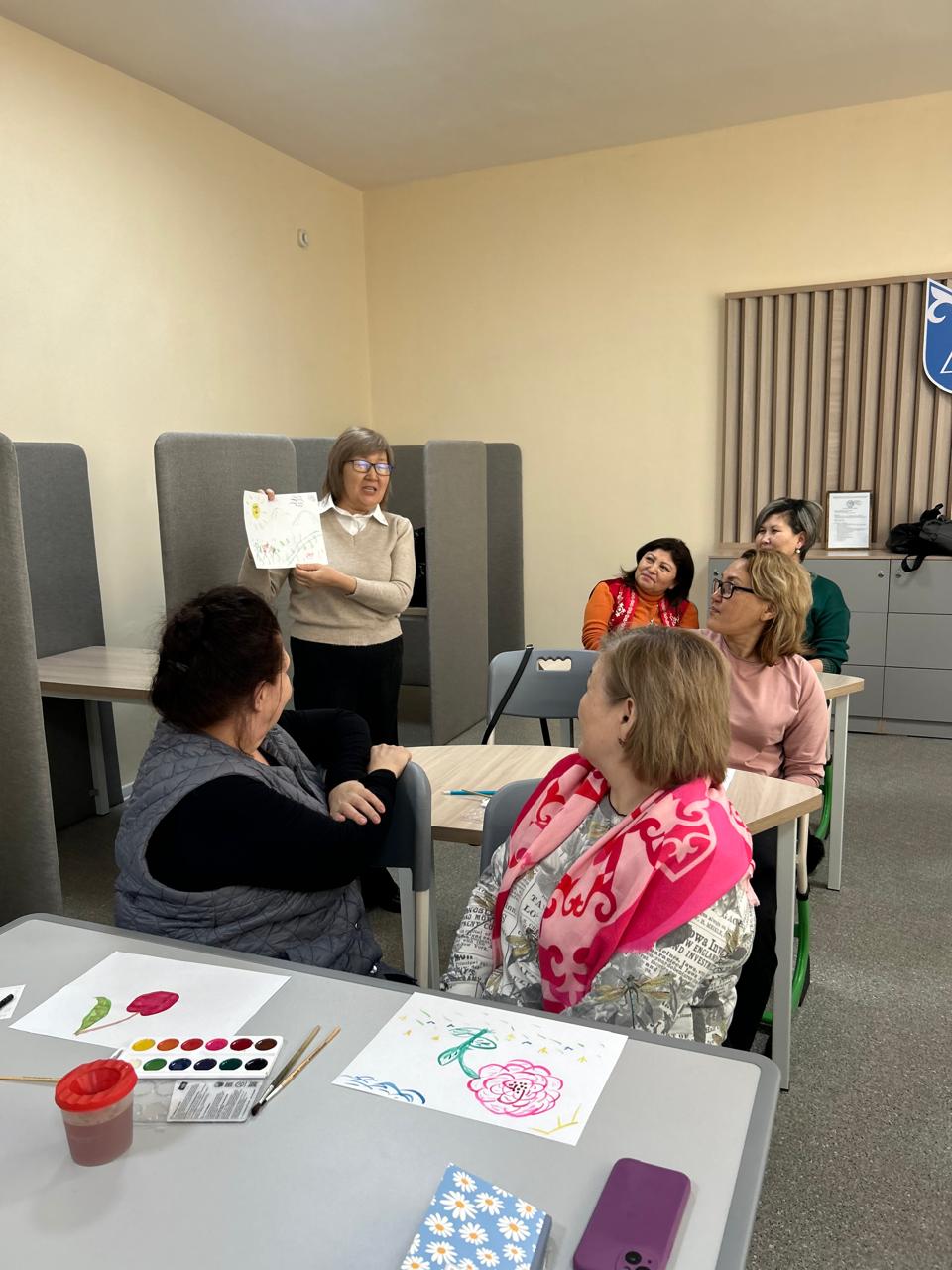
One of the important initiatives in this area is the “Silver University” project. It represents a modern model for implementing the concept of lifelong learning and is designed to ensure that older adults remain actively involved in society, continue acquiring new knowledge and skills, and maintain a high level of social engagement.
Lifelong learning is an important condition for maintaining professional relevance in today’s labour market and for supporting personal development. Continuous learning helps individuals adapt to change, make use of new professional opportunities, and realise their potential.
The main outcome of non-formal learning is the transformation of knowledge into practical action. During the learning process, individuals acquire new skills, strengthen their self-confidence, and expand their professional networks.
Today, the labour market is constantly evolving, with new technologies and professional requirements emerging on a regular basis. In such conditions, the continuous acquisition of new knowledge and skills becomes an important way to maintain professional competitiveness.
To learn means to develop. To develop means to discover new opportunities. New opportunities lead to new achievements.