3 November 2026


WATER QUALITY LABORATORY MONITORING DISCUSSED AT AMANZHOLOV UNIVERSITY

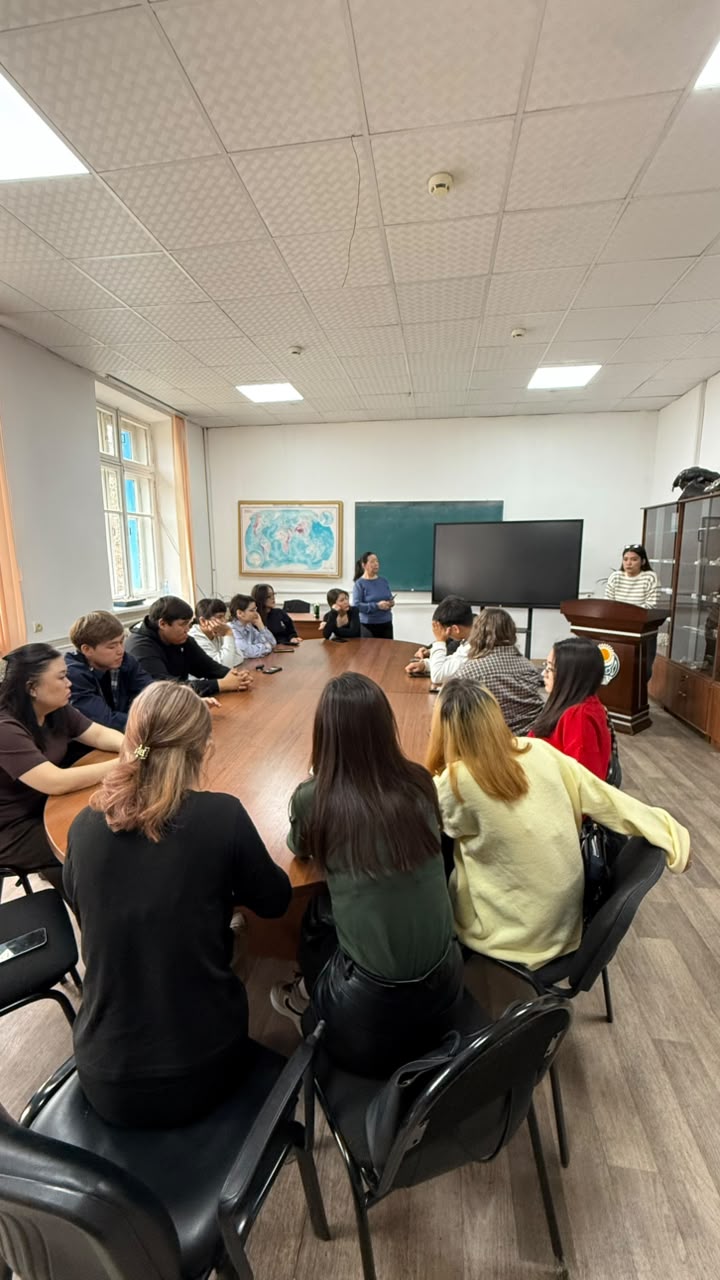
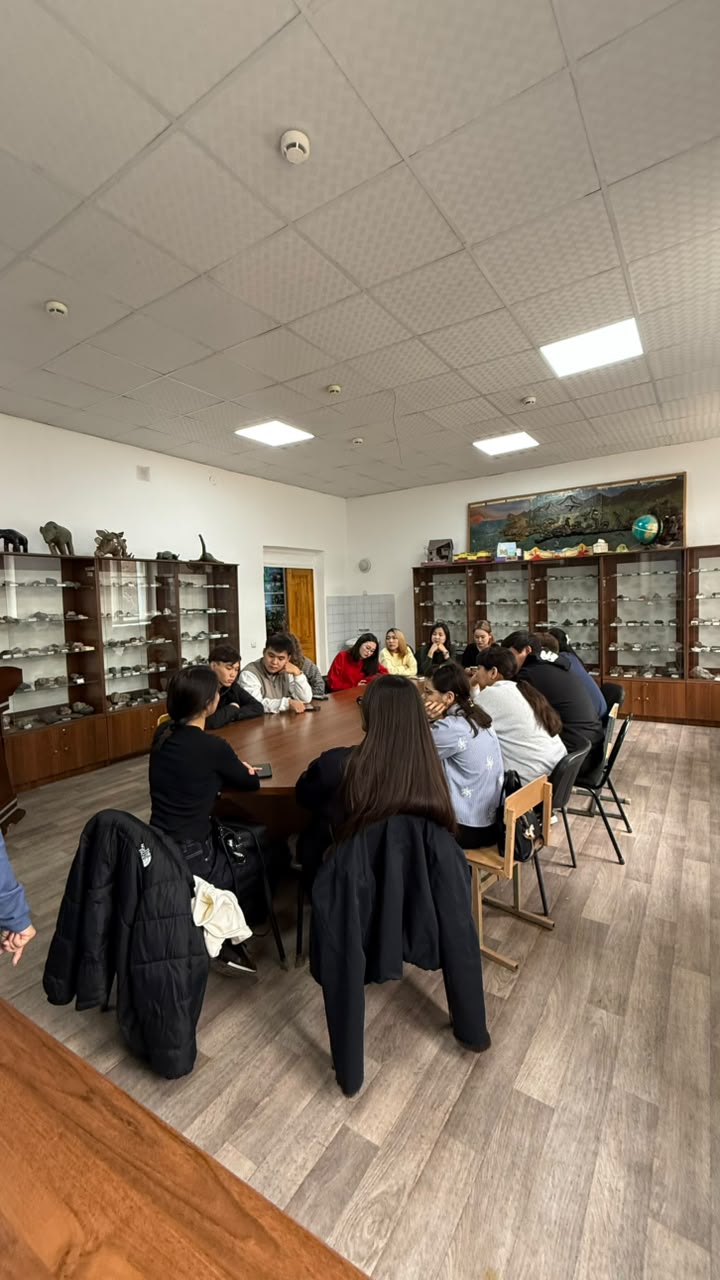
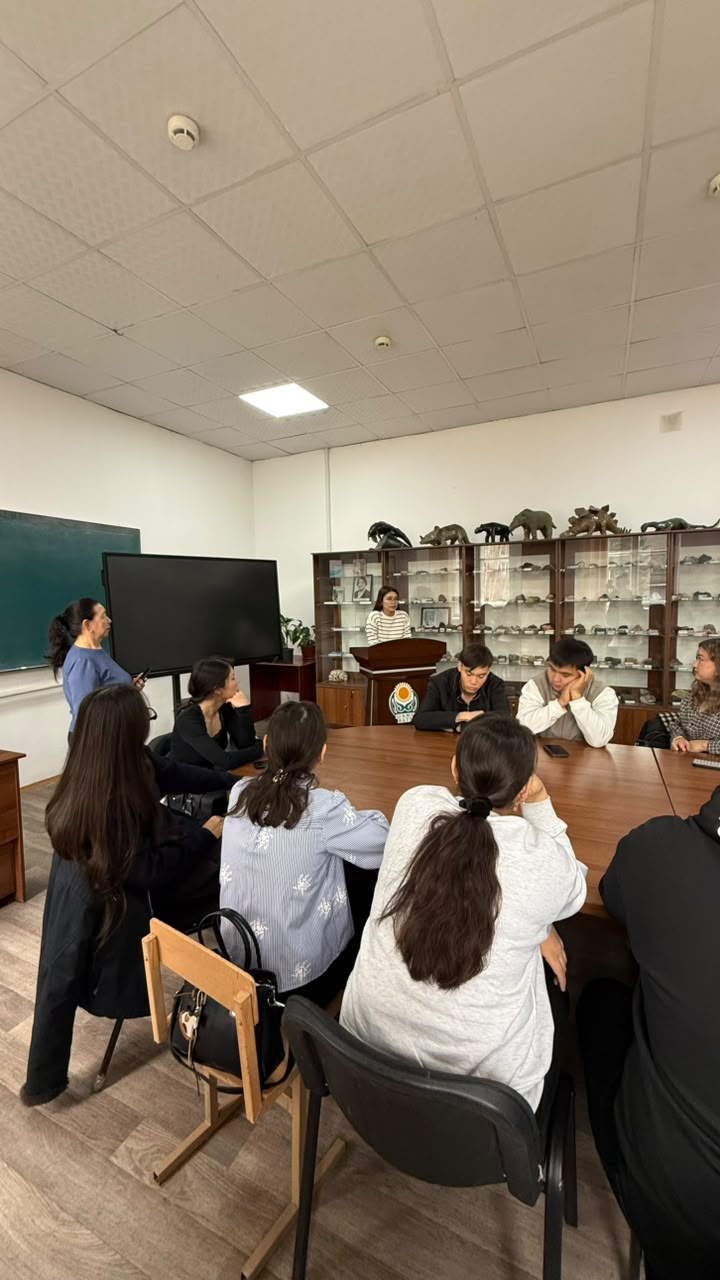
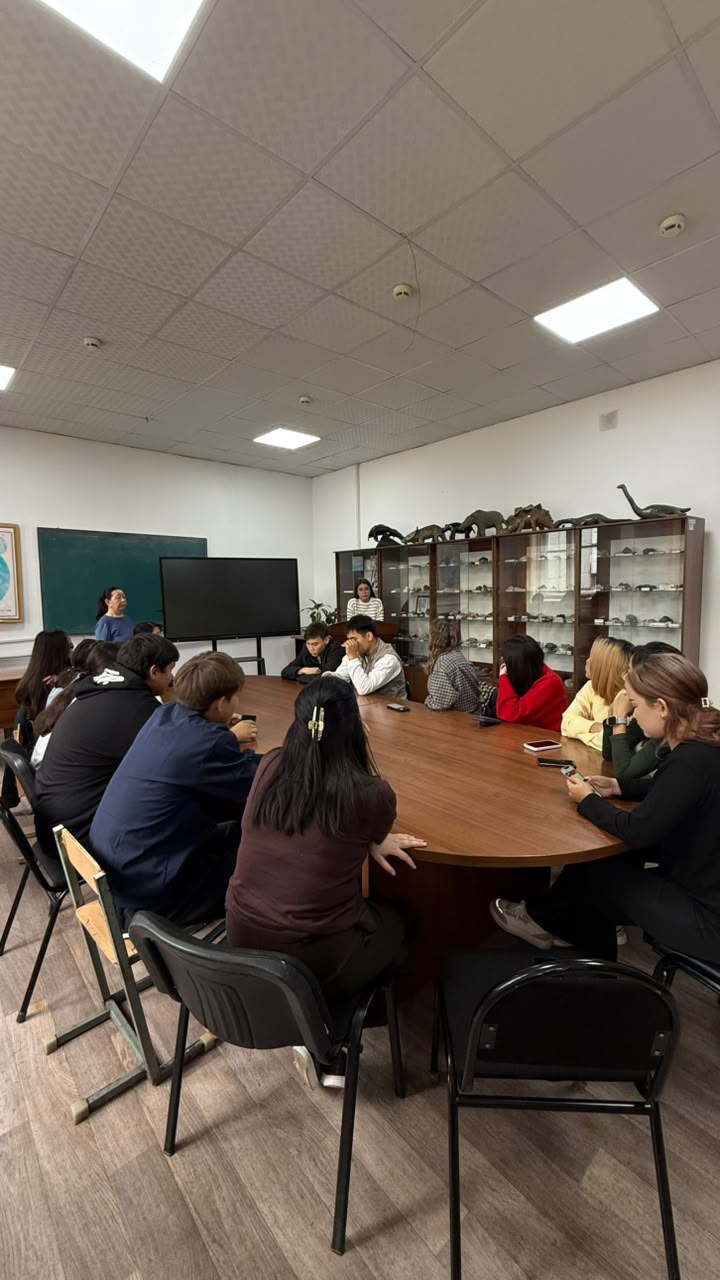
The Department of Ecology and Geography of the Higher School of IT and Natural Sciences at Sarsen Amanzholov East Kazakhstan University organized a guest lecture entitled “Environmental Laboratory: How Is Water Pollution Detected?”

The lecture was delivered by D. Raikhanova, Chief Specialist of the Testing Laboratory of the Laboratory and Analytical Control Division of the Department of Ecology for East Kazakhstan Region under the Committee for Environmental Regulation and Control of the Ministry of Ecology and Natural Resources of the Republic of Kazakhstan. Students enrolled in the Department’s educational programs took part in the meeting.

During the lecture, the main stages of laboratory water quality monitoring were discussed, including sample collection and preparation, laboratory testing, and the analysis and interpretation of results. Methods for detecting pollutants, key water quality indicators, and requirements for the accuracy of laboratory testing were also explained.

The lecturer emphasized the importance of environmental monitoring in identifying and preventing pollution of water bodies. She also shared practical information about the daily work of testing laboratories and the role of reliable analytical data in making effective environmental protection decisions.

During the meeting, students learned more about the professional activities of specialists in the field of ecology and asked questions related to laboratory monitoring and the assessment of water resources. This enabled them to connect theoretical knowledge with practical experience and gain a deeper understanding of their future profession.

The guest lecture highlighted the importance of protecting water resources, monitoring drinking water quality, and ensuring the safety of human health and the environment. The topics discussed were also aligned with the United Nations Sustainable Development Goals, including Goal 3 – Good Health and Well-Being, Goal 6 – Clean Water and Sanitation, and Goal 12 – Responsible Consumption and Production.