10 June 2026
ACADEMIC COMMITTEE OF THE DEPARTMENT OF BIOLOGY APPROVES KEY WORK PRIORITIES FOR THE 2026–2027 ACADEMIC YEAR
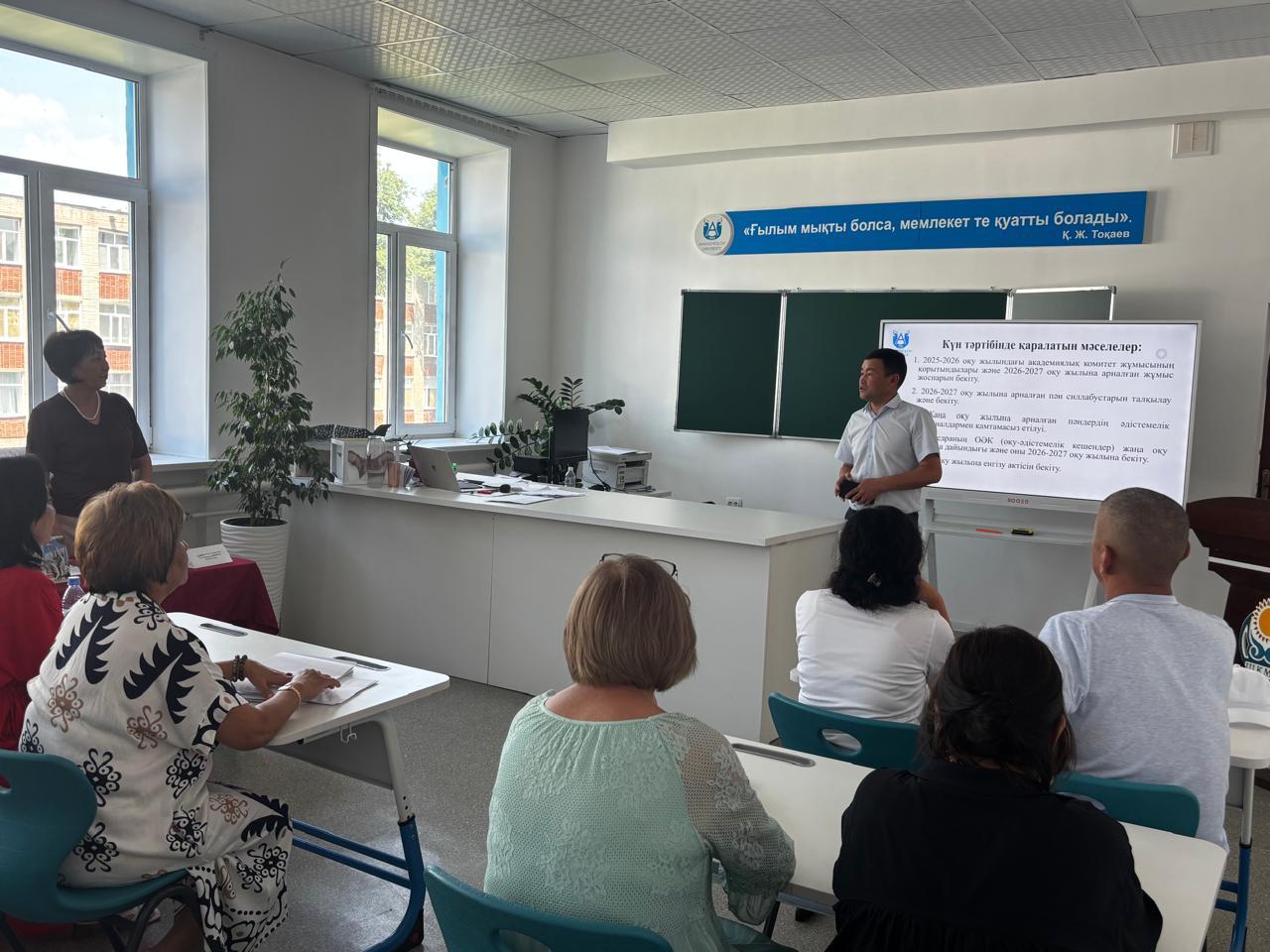
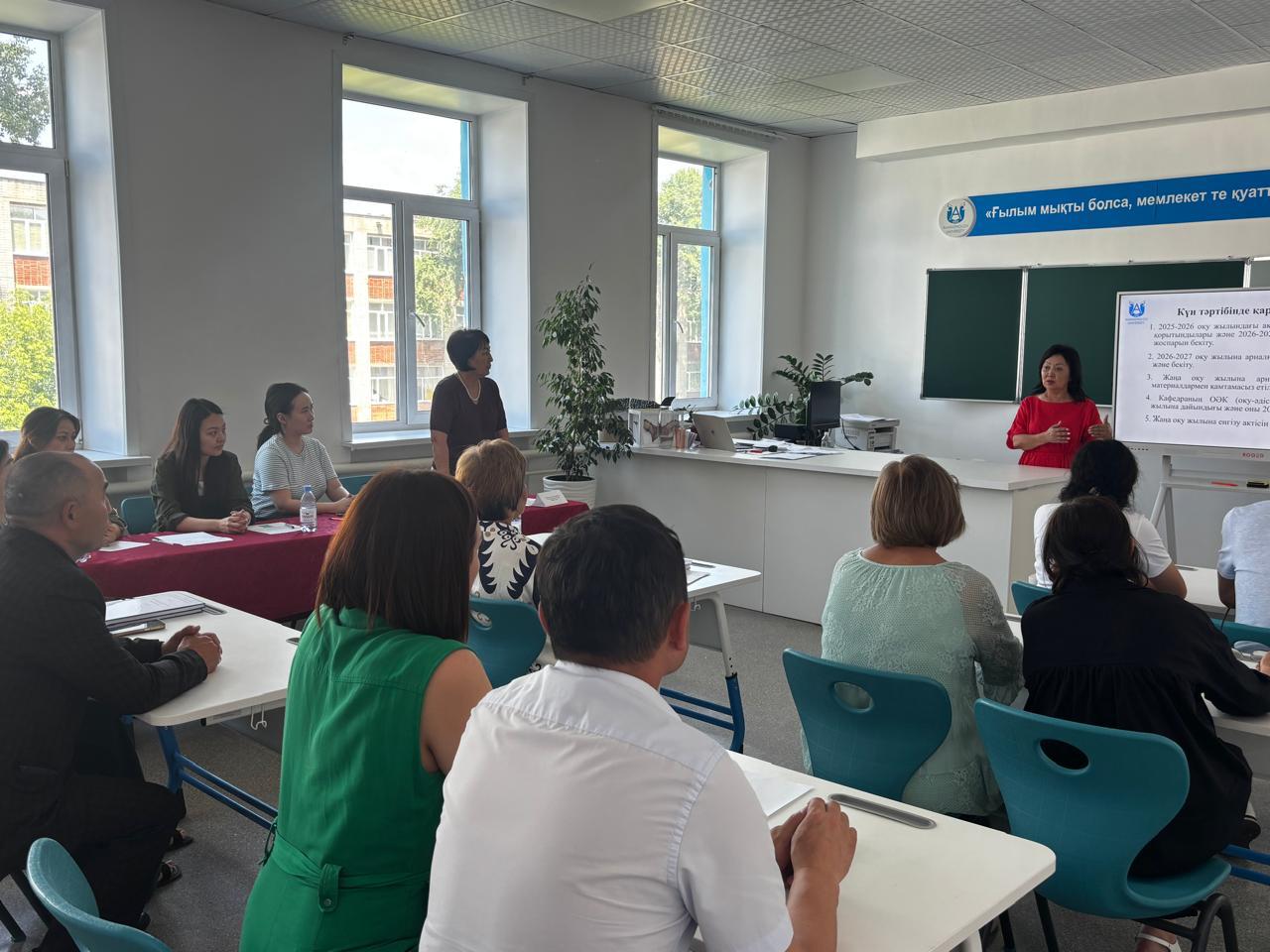
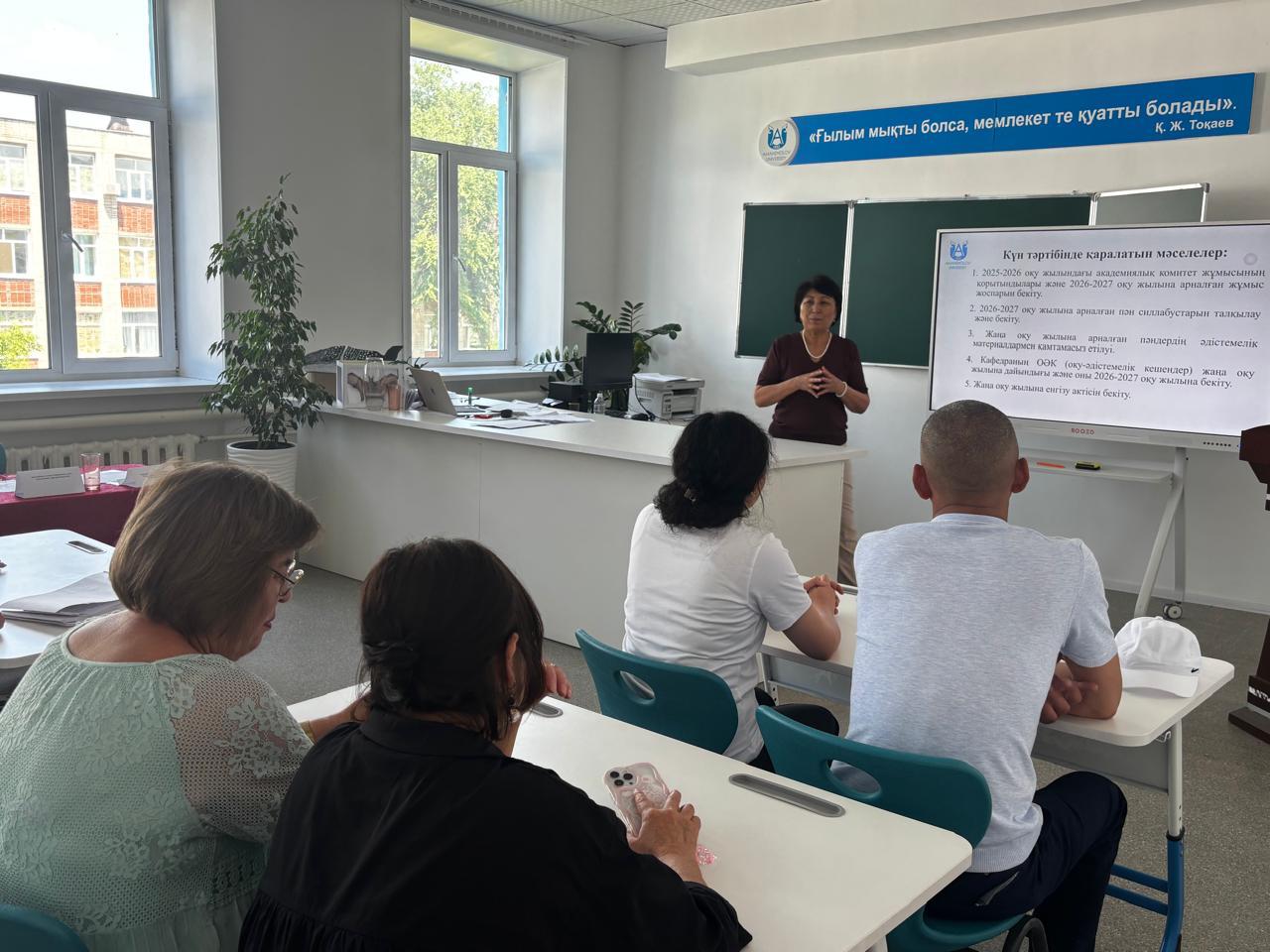
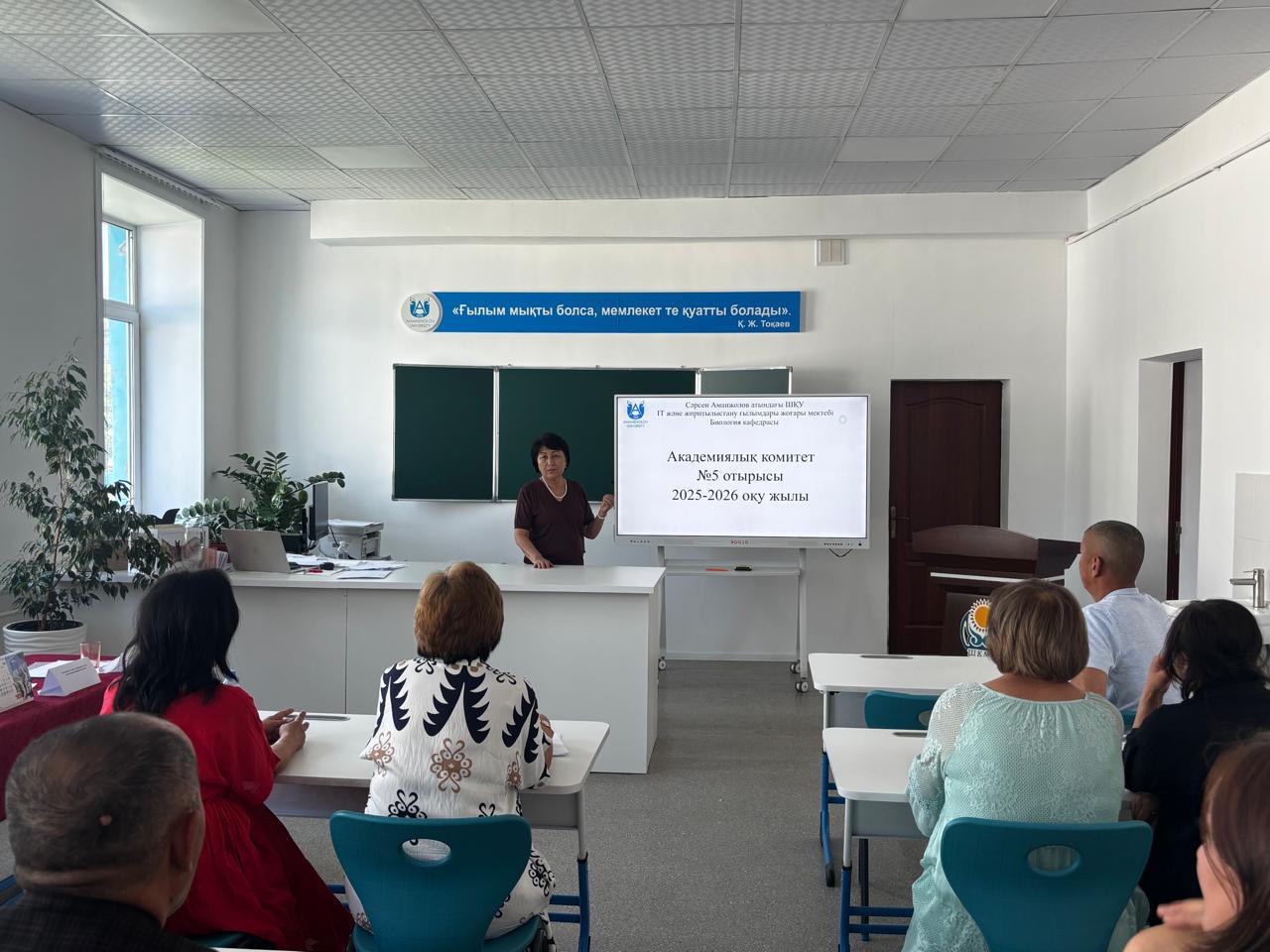
Sarsen Amanzholov East Kazakhstan University held a regular meeting of the Academic Committee at the Department of Biology. The meeting was organized to improve the quality of the department’s educational and methodological activities, enhance educational programs, and ensure systematic preparation for the 2026–2027 academic year.
The meeting was attended by faculty members of the department, heads of educational programs, and members of the Academic Committee. The participants comprehensively discussed strategically important issues related to preparations for the new academic year.
In accordance with the agenda, the following issues aimed at improving the educational, methodological, academic, and organizational activities of the department were considered:
1) Review of the Academic Committee’s work for the 2025–2026 academic year and approval of the work plan for the 2026–2027 academic year.
2) Discussion and approval of course syllabi for the 2026–2027 academic year.
3) Availability of educational and methodological materials for courses for the new academic year.
4) Readiness of the department’s educational and methodological complexes (EMCs) for the new academic year and their approval for 2026–2027.
5) Approval of implementation reports for the new academic year.
The first item on the agenda concerned the results of the Academic Committee’s work during the 2025–2026 academic year. The results of the department’s educational and methodological activities during the reporting period were analyzed, including progress in modernizing educational programs, improving the educational process, developing students’ professional competencies, and enhancing the quality of education. The effectiveness of activities implemented during the previous academic year was also assessed, and key priorities and areas for further development were identified. Following the discussion, the Academic Committee’s work plan for the 2026–2027 academic year was approved.
The next part of the meeting focused on the course syllabi for the 2026–2027 academic year. The course content was analyzed in terms of its compliance with current educational requirements, labor market needs, and the objectives of the educational programs. The structure of the syllabi, intended learning outcomes, assessment criteria, teaching and learning methods, and mechanisms for evaluating students’ academic achievements underwent a comprehensive review. Taking into account the additions and amendments proposed by the committee members, it was decided to approve the course syllabi.
One of the key agenda items was an analysis of the availability of educational and methodological materials for courses for the new academic year. The participants reviewed the availability of textbooks, methodological guidelines, electronic educational resources, and digital content. Particular attention was paid to improving the educational and methodological resources required to provide students with quality education. A number of recommendations were also developed to organize the educational process in accordance with current requirements.
The meeting also addressed the readiness of the department’s educational and methodological complexes for the new academic year. The content of the EMCs was assessed for compliance with the objectives of the educational programs, regulatory requirements, and the use of modern pedagogical technologies. Following the review, the department’s educational and methodological complexes were recognized as ready for use in the 2026–2027 academic year and approved.
The approval of implementation reports for the new academic year was also considered. An expert assessment was conducted of the quality and effectiveness of educational, research, and methodological materials to be introduced into the educational process. Their significance for improving the content of educational programs was particularly emphasized. As a result, the implementation reports were approved with the support of the Academic Committee members.
The decisions adopted at the meeting represent an important step toward further improving the department’s educational activities, enhancing the quality of educational and methodological work, strengthening the competitiveness of educational programs, and ensuring effective training of future specialists. The Academic Committee members emphasized the need to continue systematic efforts to develop the department’s academic and pedagogical potential, widely implement innovative educational technologies, and improve the level of students’ professional training in the new academic year.