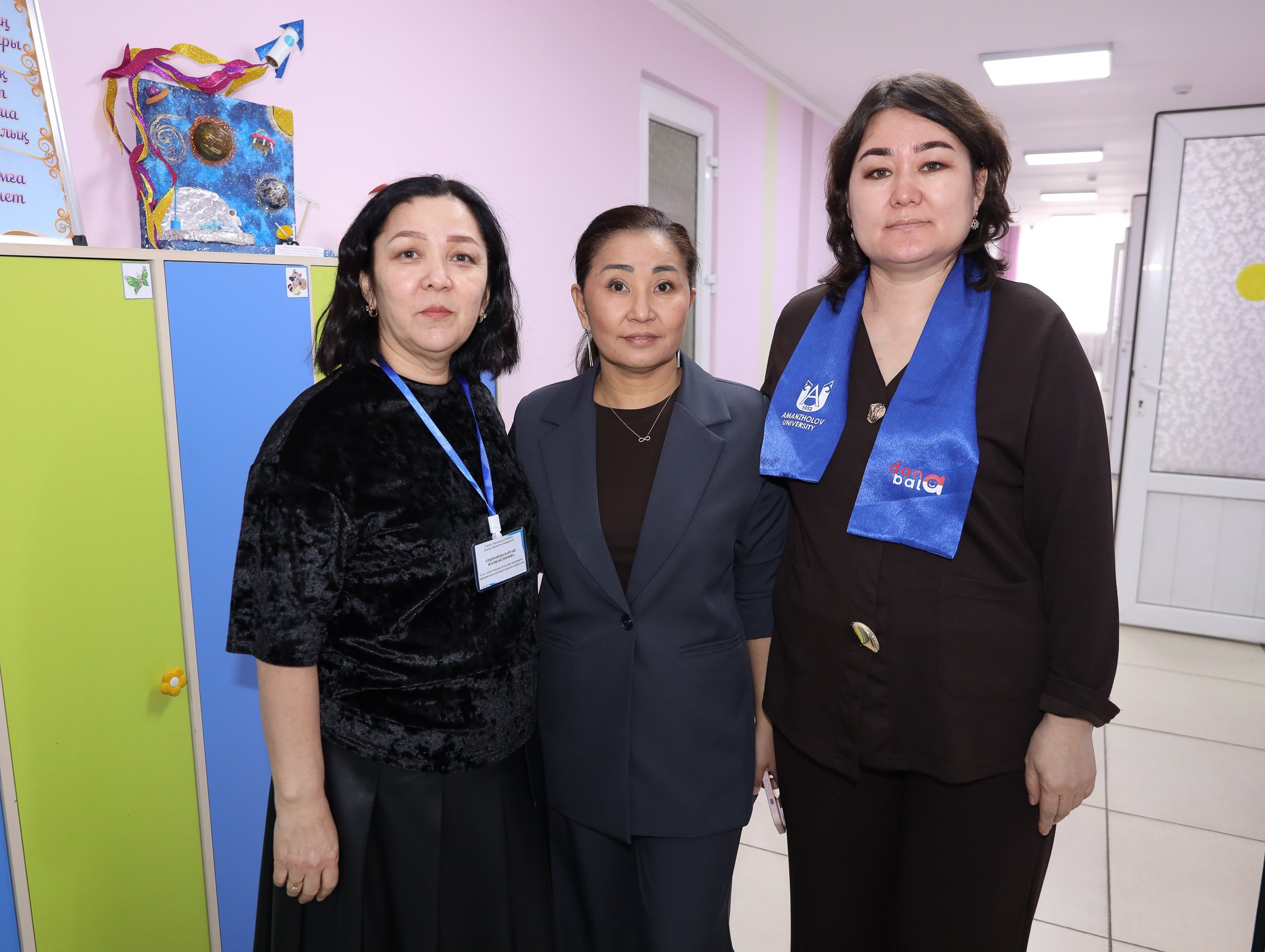
An introductory program was held at Sarsen Amanzholov East Kazakhstan University for participants of the international inclusive festival “We Live!”.
Within the framework of the event, guests were presented with the university’s projects, laboratories, and innovative developments in the field of inclusive education.
The event was attended by Member of the Mazhilis of the Parliament of the Republic of Kazakhstan of the VIII convocation, member of the “Auyl” party faction Nikolay Gennadyevich Arsyutin, as well as Advisor to the Minister of Labor and Social Protection of the Population of the Republic of Kazakhstan on inclusion issues, Zakhira Begalieva.
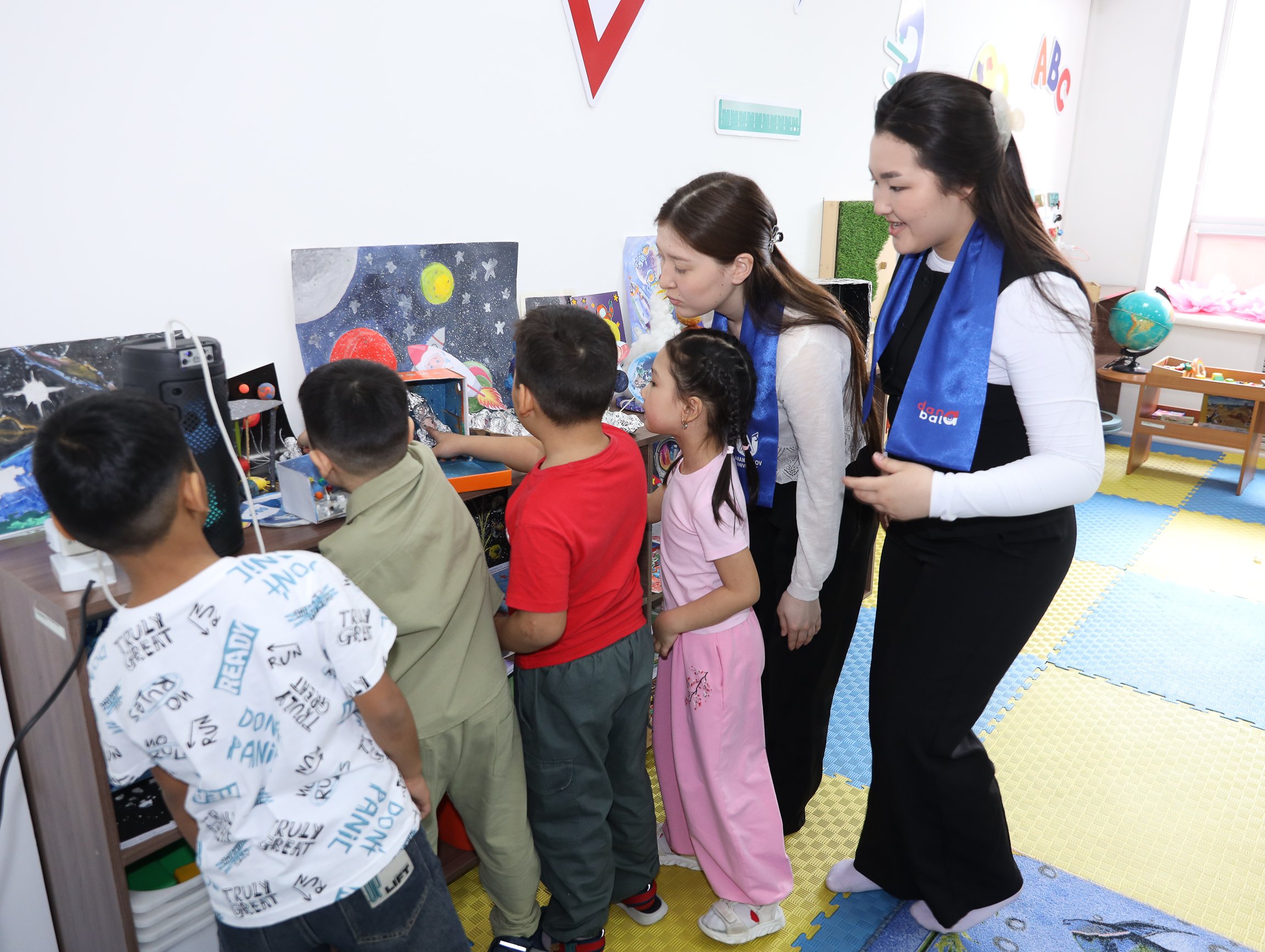
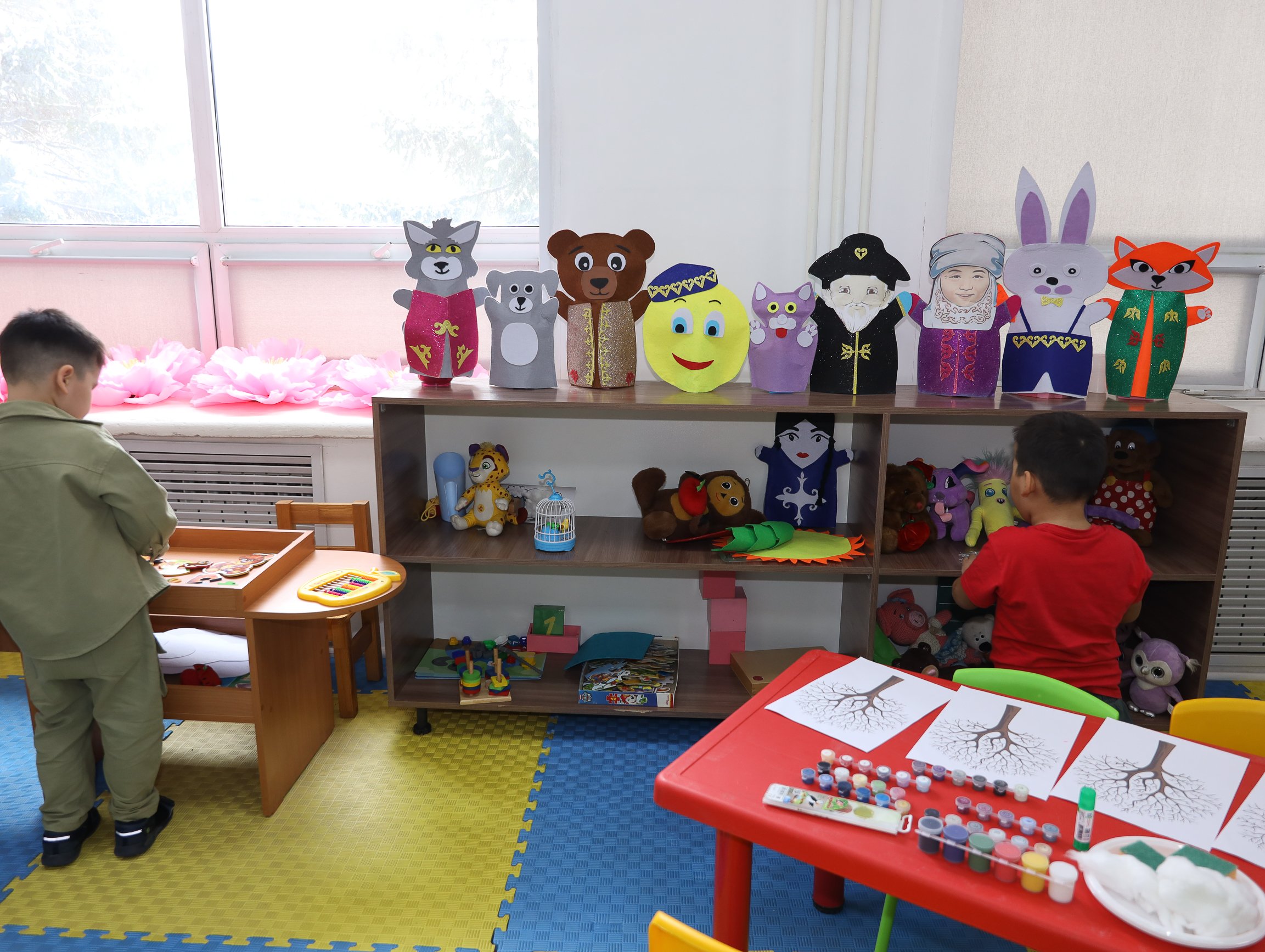
The festival guests first became acquainted with the activities of the Continuous and Inclusive Education Center “Dana bala,” where an exhibition of handicrafts and drawings created by children with special educational needs was presented.
During the program, several university laboratories showcased their work. The “Darindy balalar” laboratory presented the “April Wonders” showcase. The psychological counseling laboratory demonstrated the system of psychological and pedagogical support for children with special educational needs.
The “Logolab” laboratory demonstrated a speech therapy session using a “Smart Mirror” device and also presented student startup projects such as “Dana bala Chest” and “Three-Dimensional ‘Dana bala World’.”
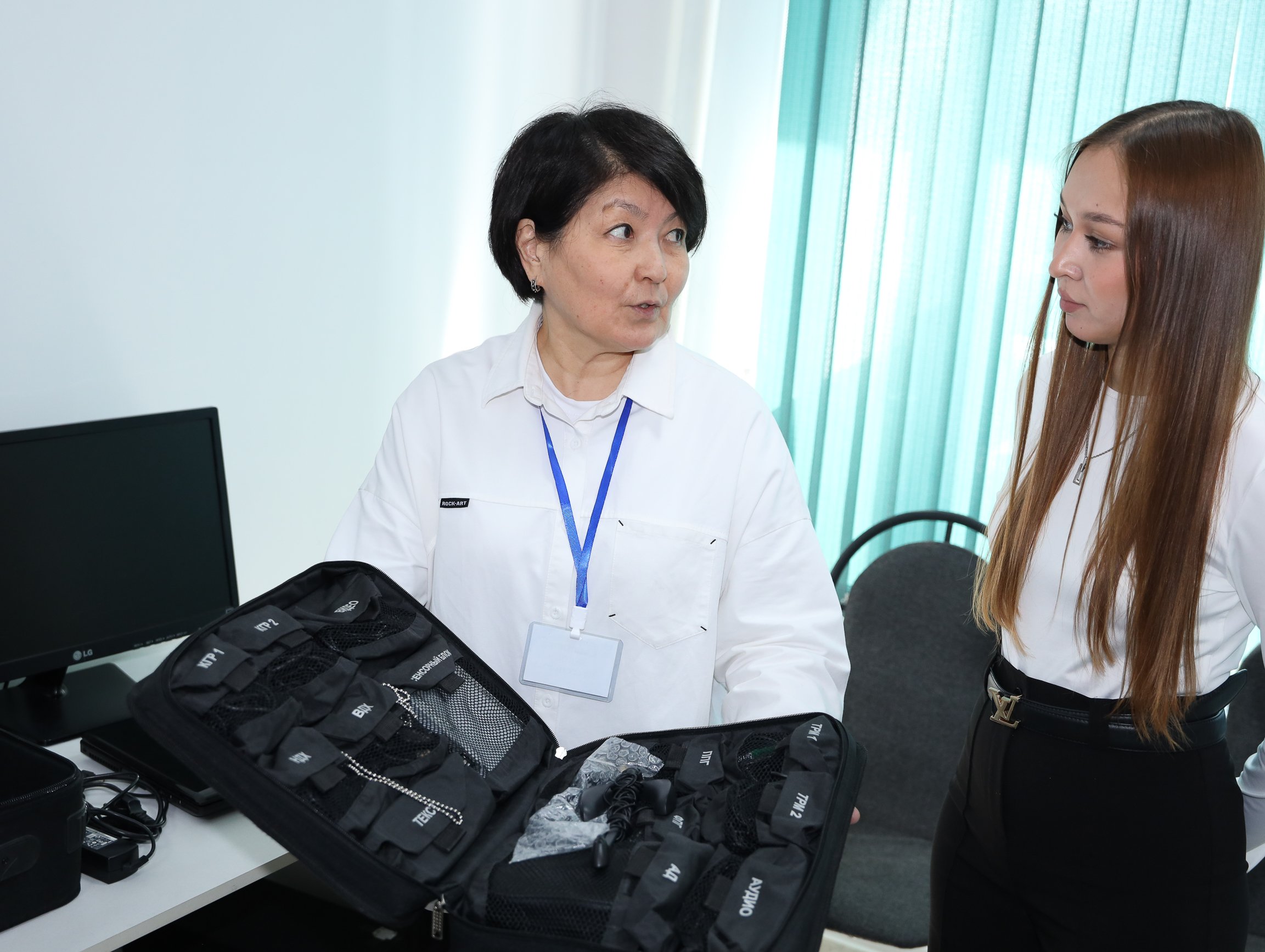
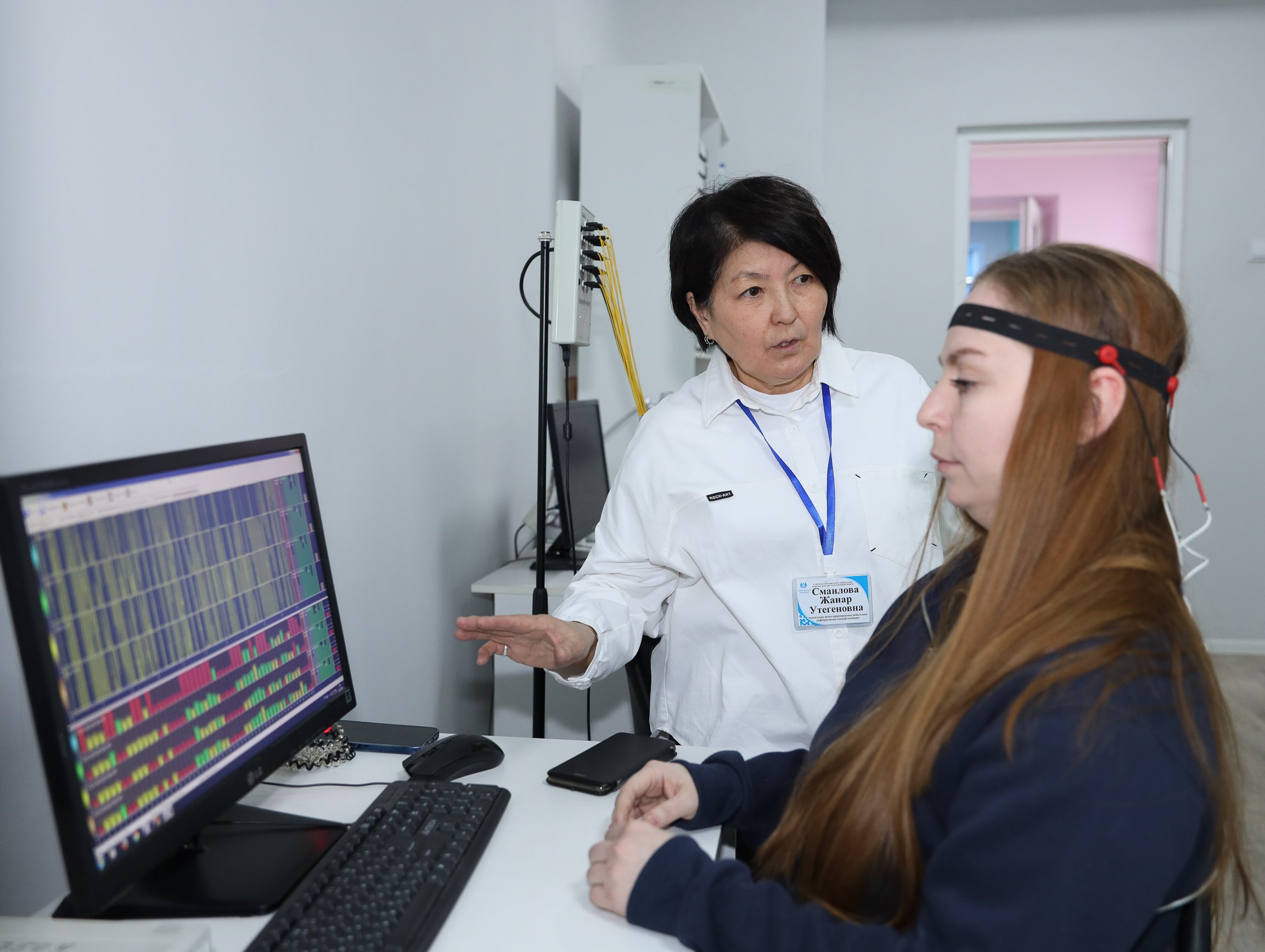
In addition, the laboratory of hardware-based psychodiagnostics and psychocorrection demonstrated the capabilities of biofeedback technology. The Center for Psychological and Pedagogical Support and Methodological-Technological Assistance presented patented developments by university scientists, including a verticalization chair, a verticalization bed, a professional defectologist’s desk, the “Rastishka” student desk, an orthopedic chair, and methodological materials.
Guests were also introduced to digital projects aimed at developing inclusive education, including the “Danabala” website and an AI-based chatbot.
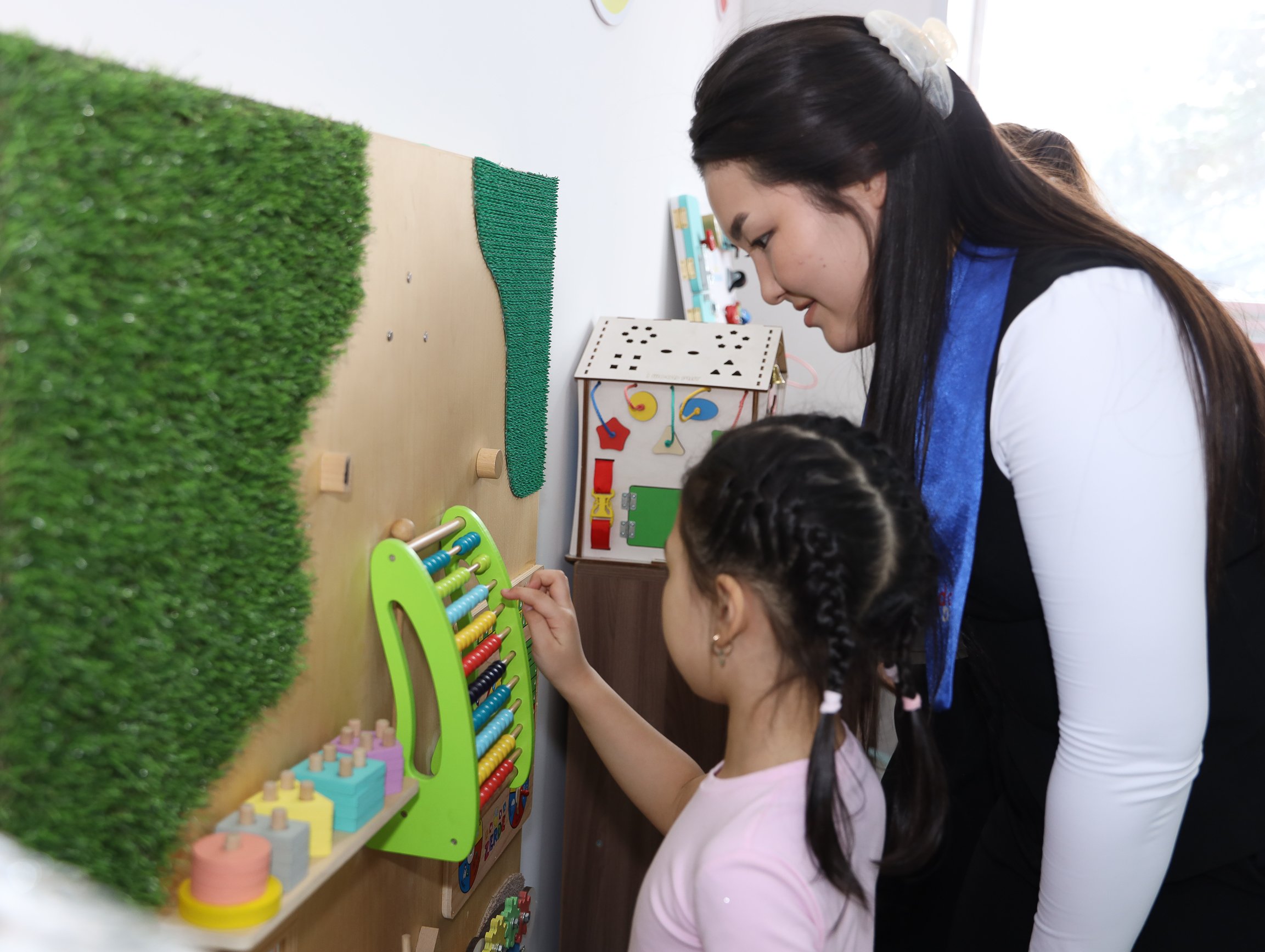
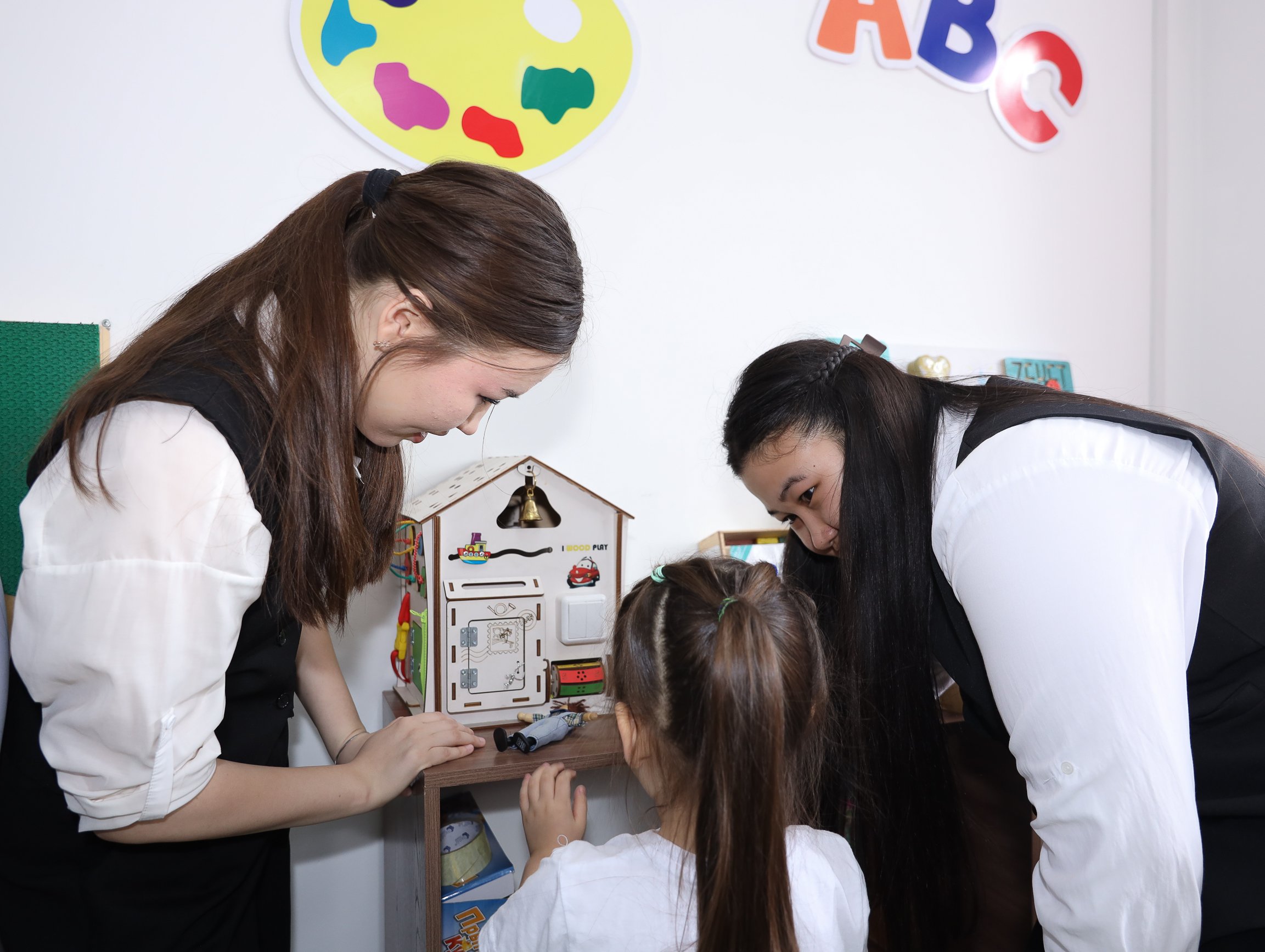
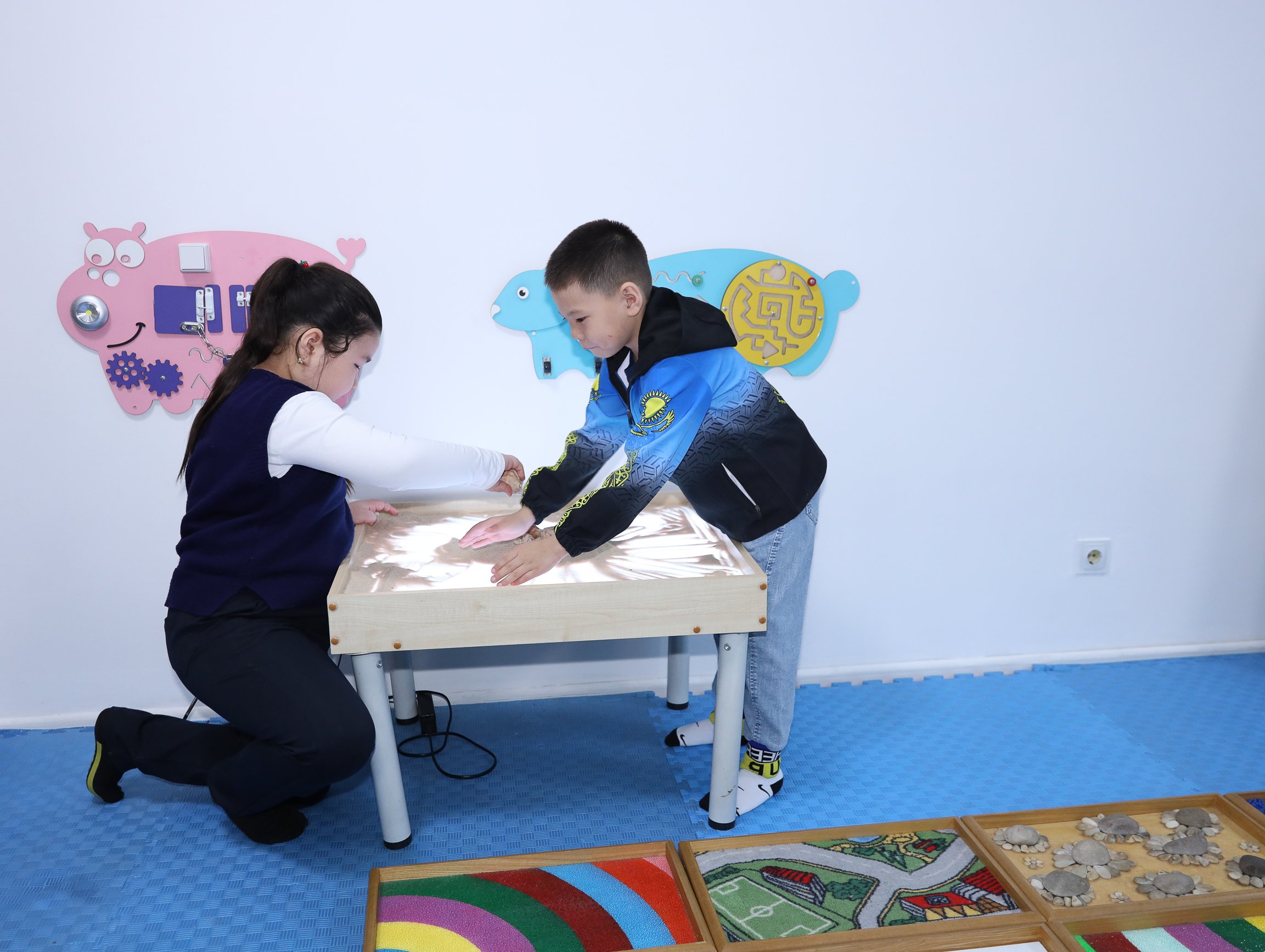
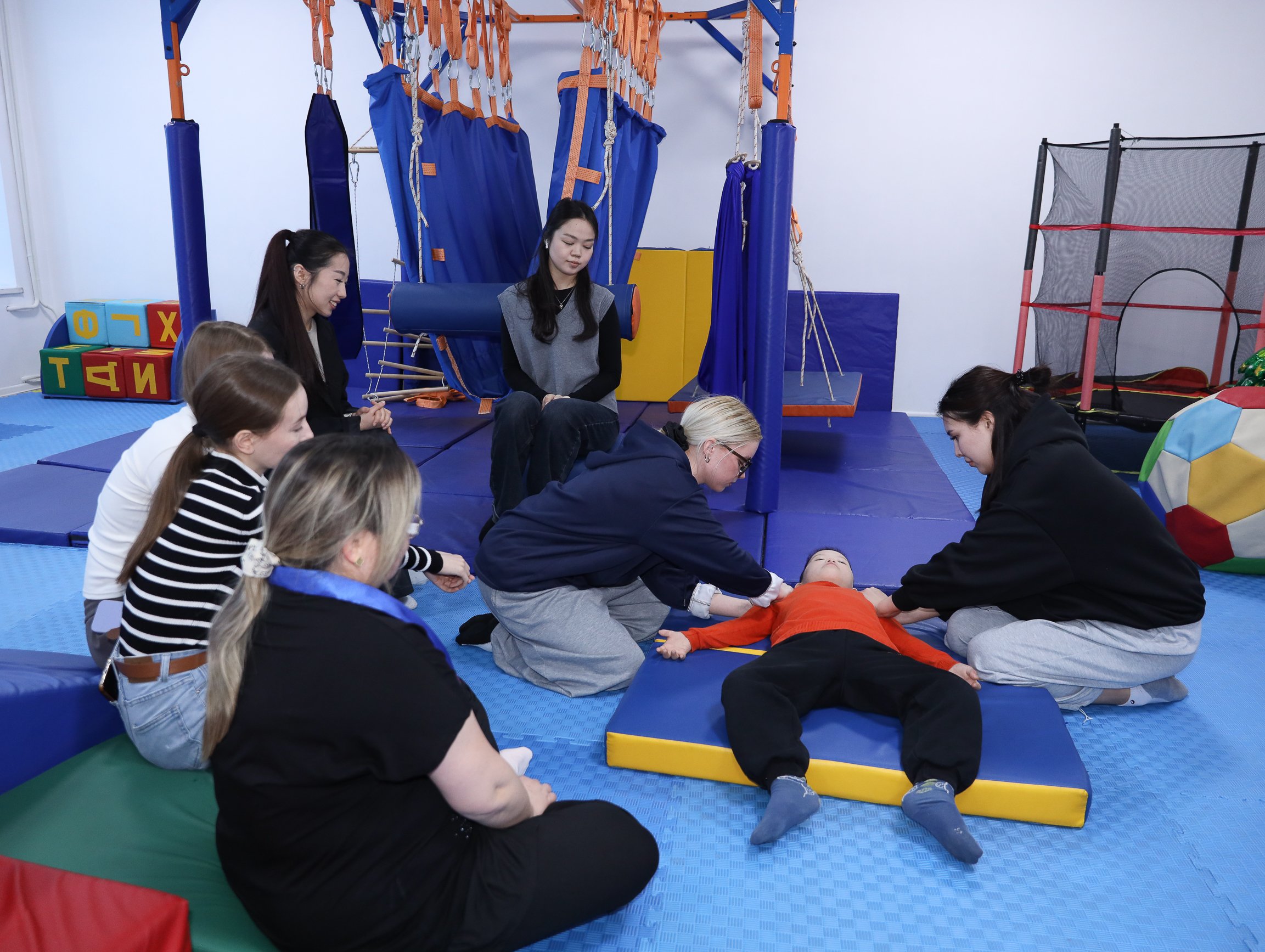
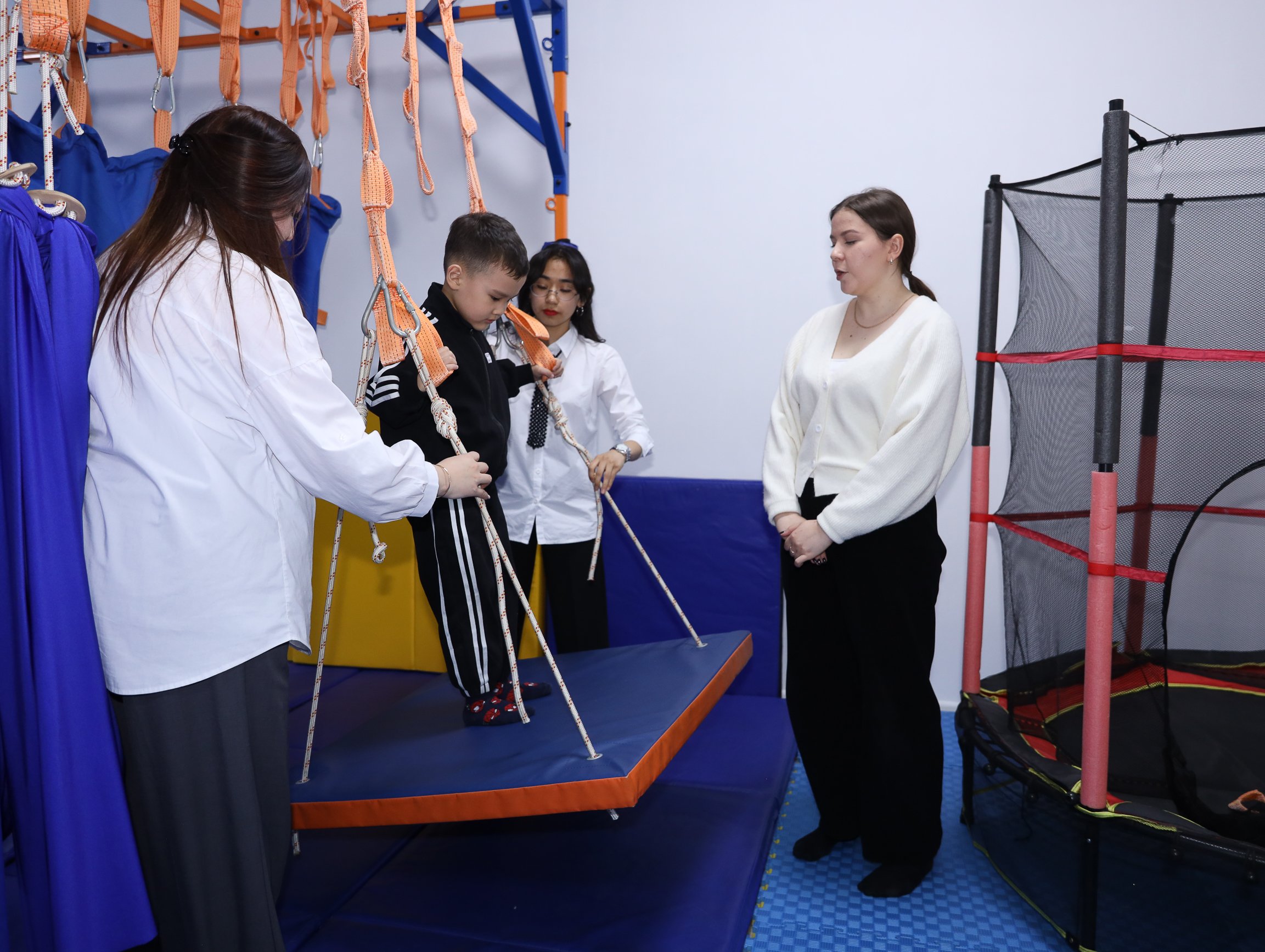
The program also showcased the work of the sensory integration and correction laboratory, where participants learned about approaches to working with children with autism spectrum disorders and methods of supporting them. In addition, the inclusion support office, ergopedagogy and early intervention laboratory were presented, along with specialized equipment and teaching materials.
The event demonstrated the university’s achievements in the development of inclusive education, facilitated experience sharing, and contributed to the formation of an inclusive culture in society.