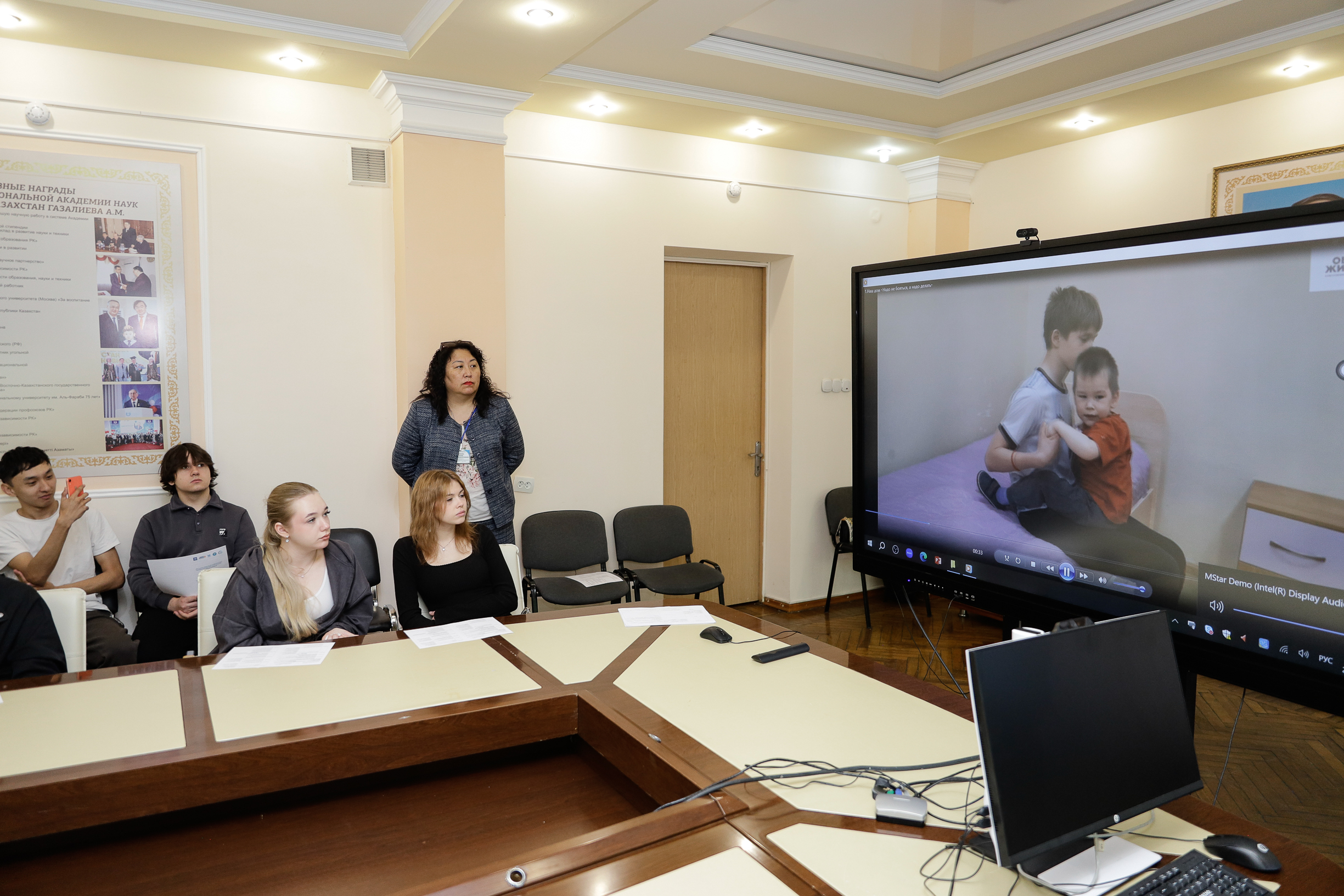
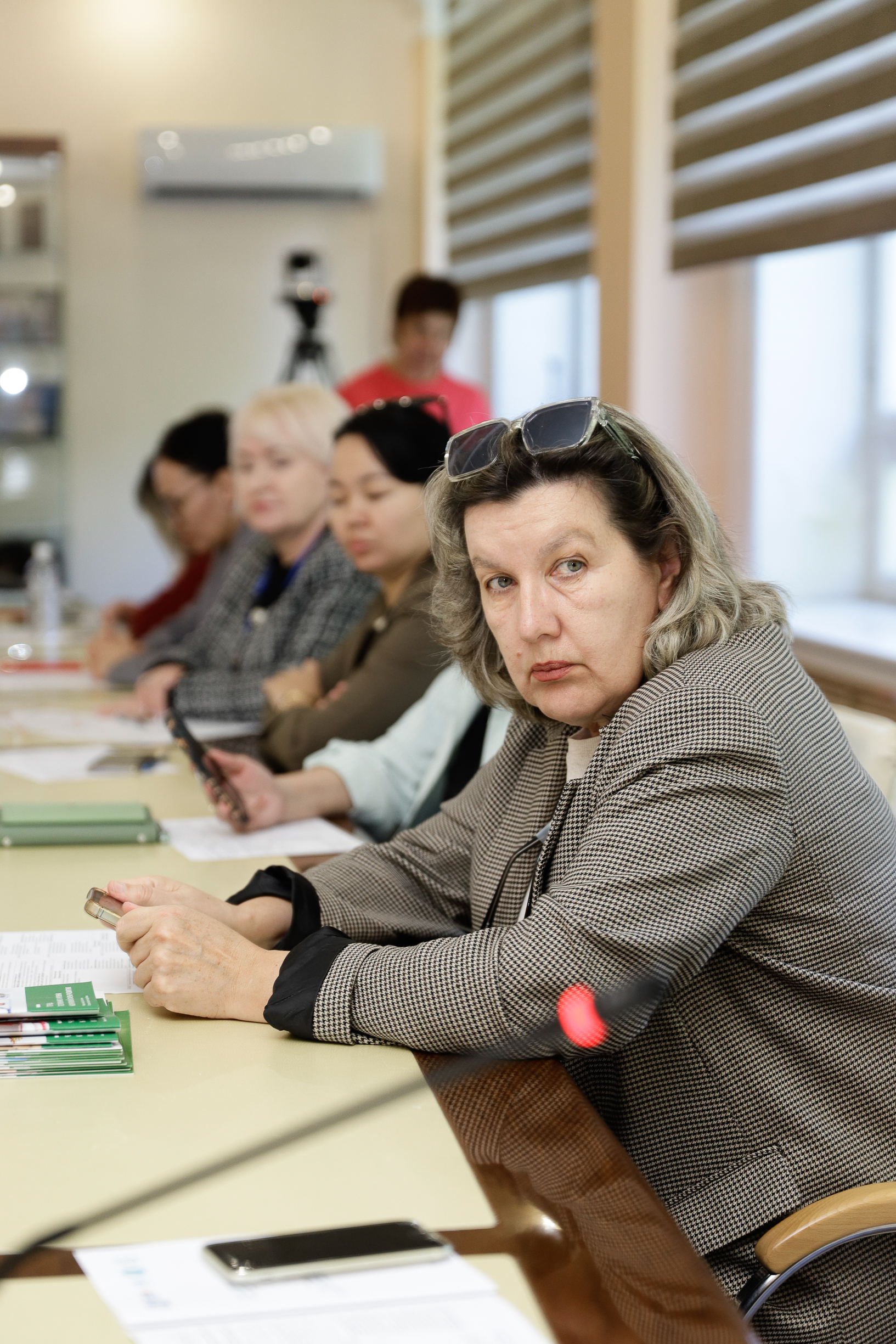
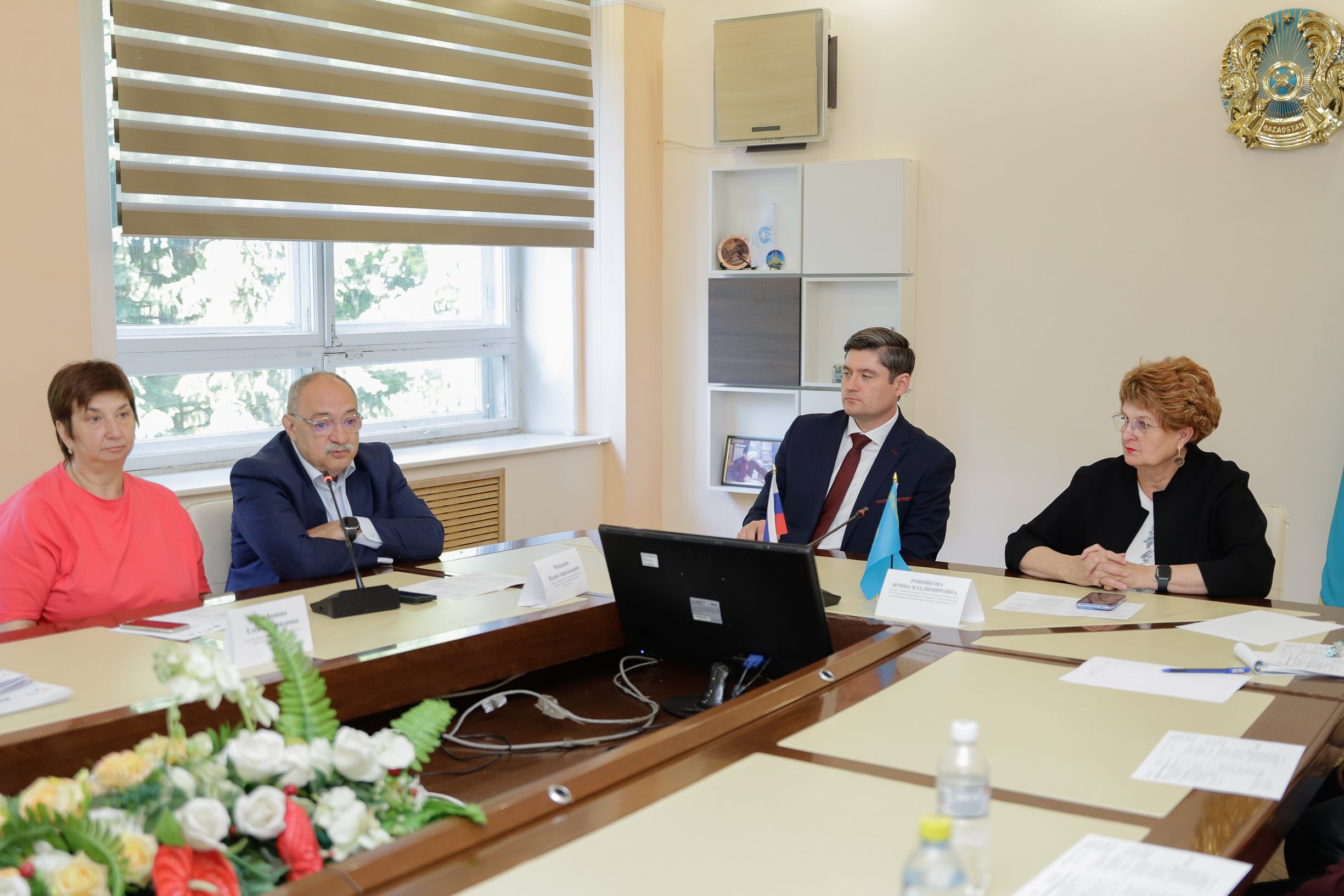
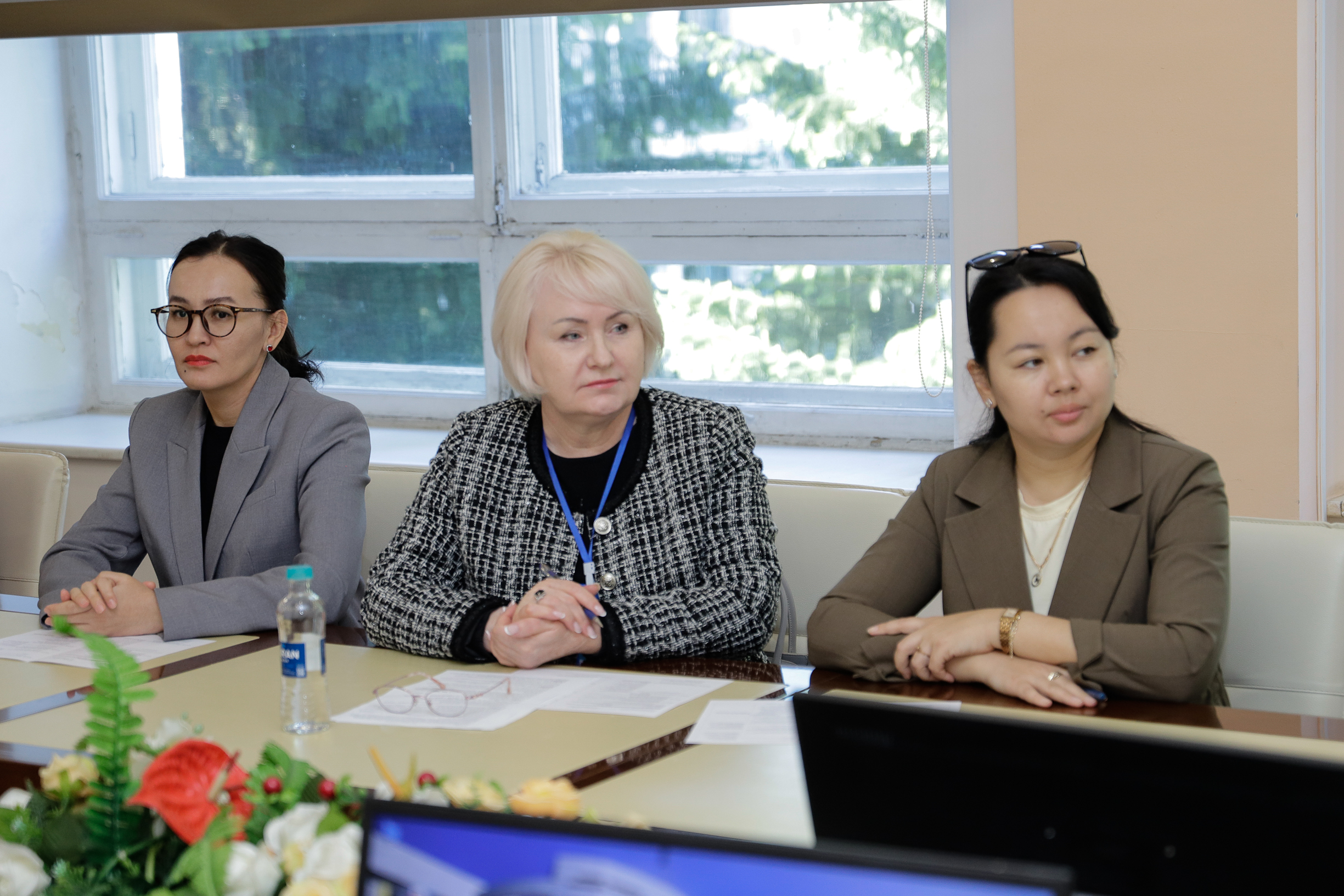
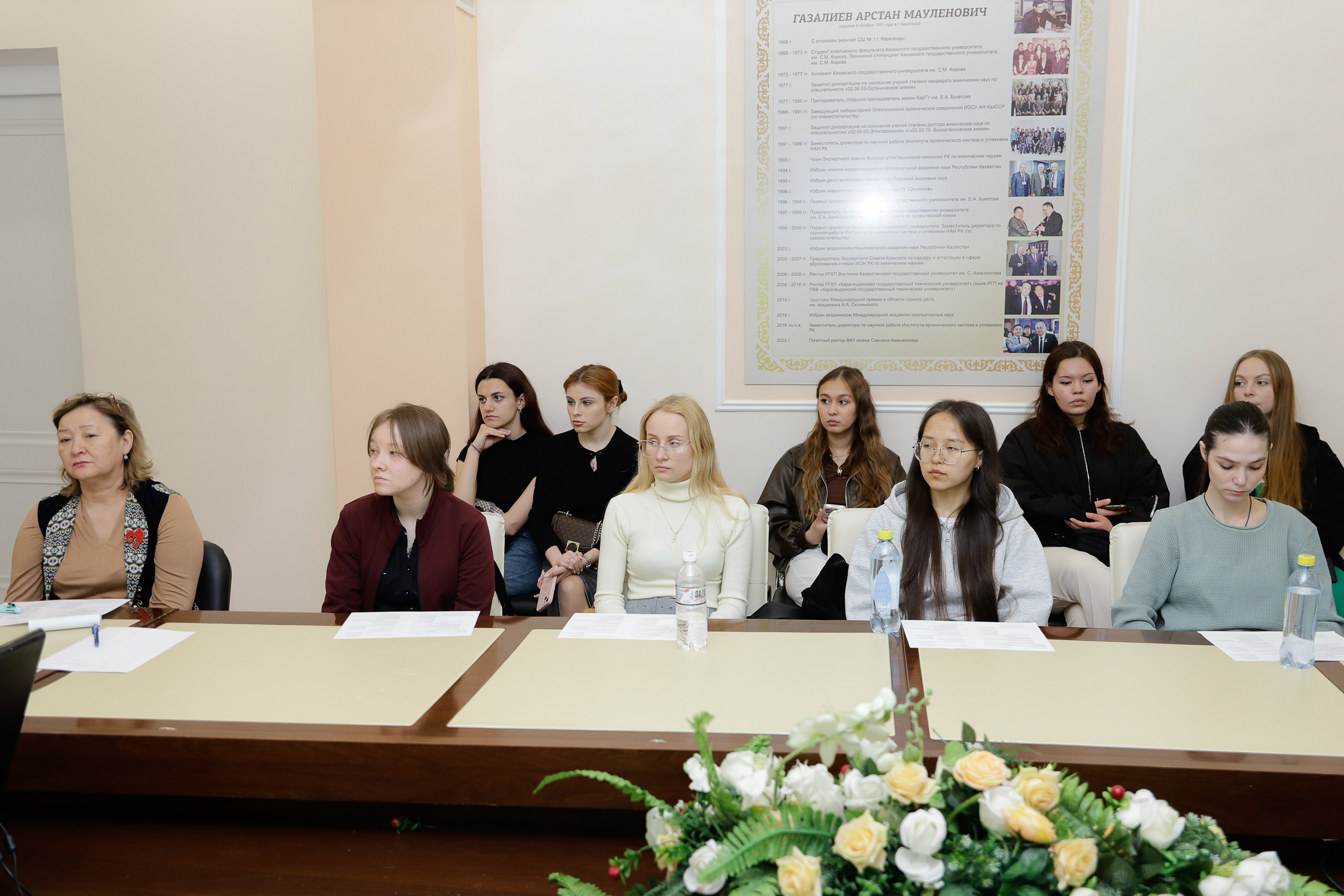
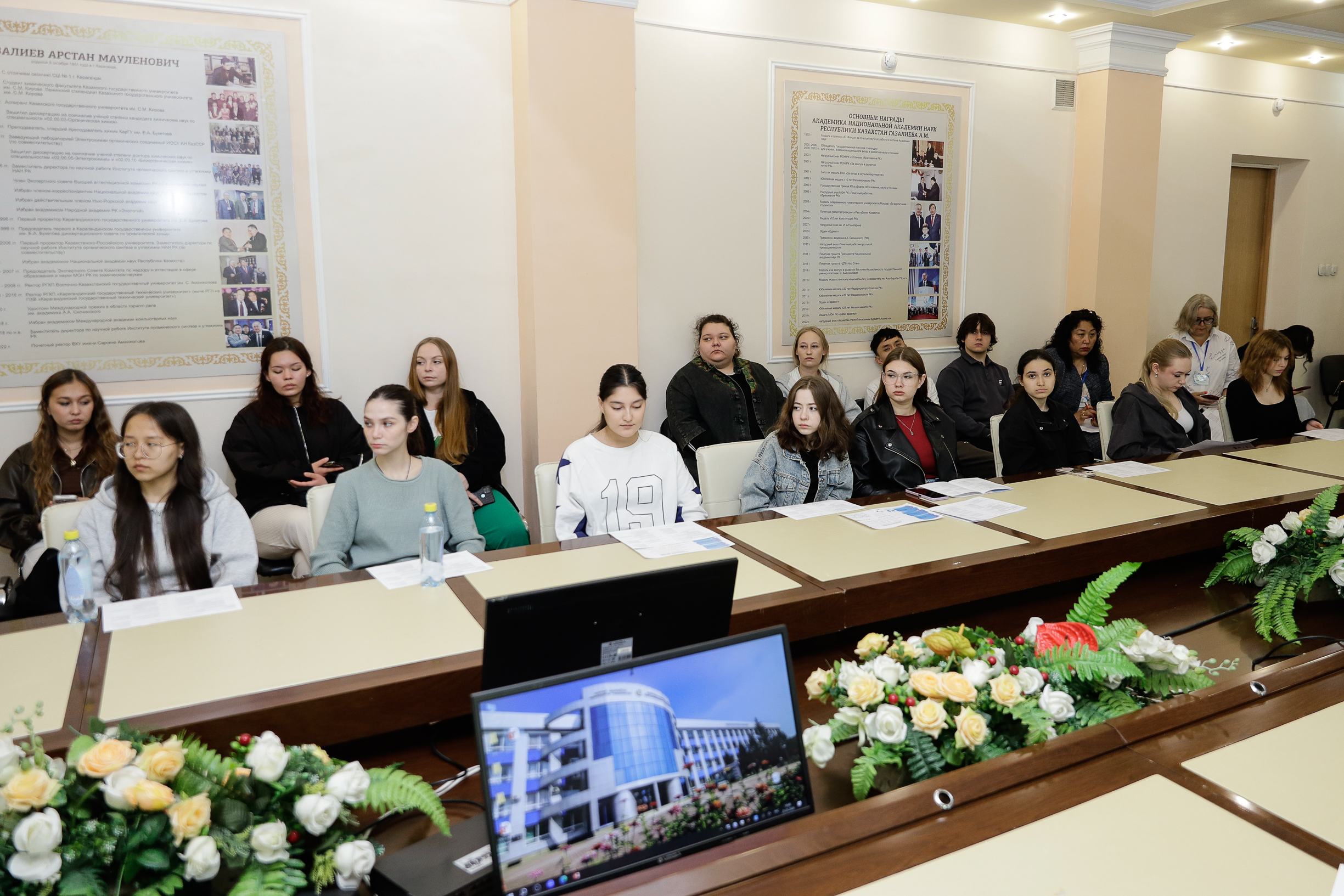
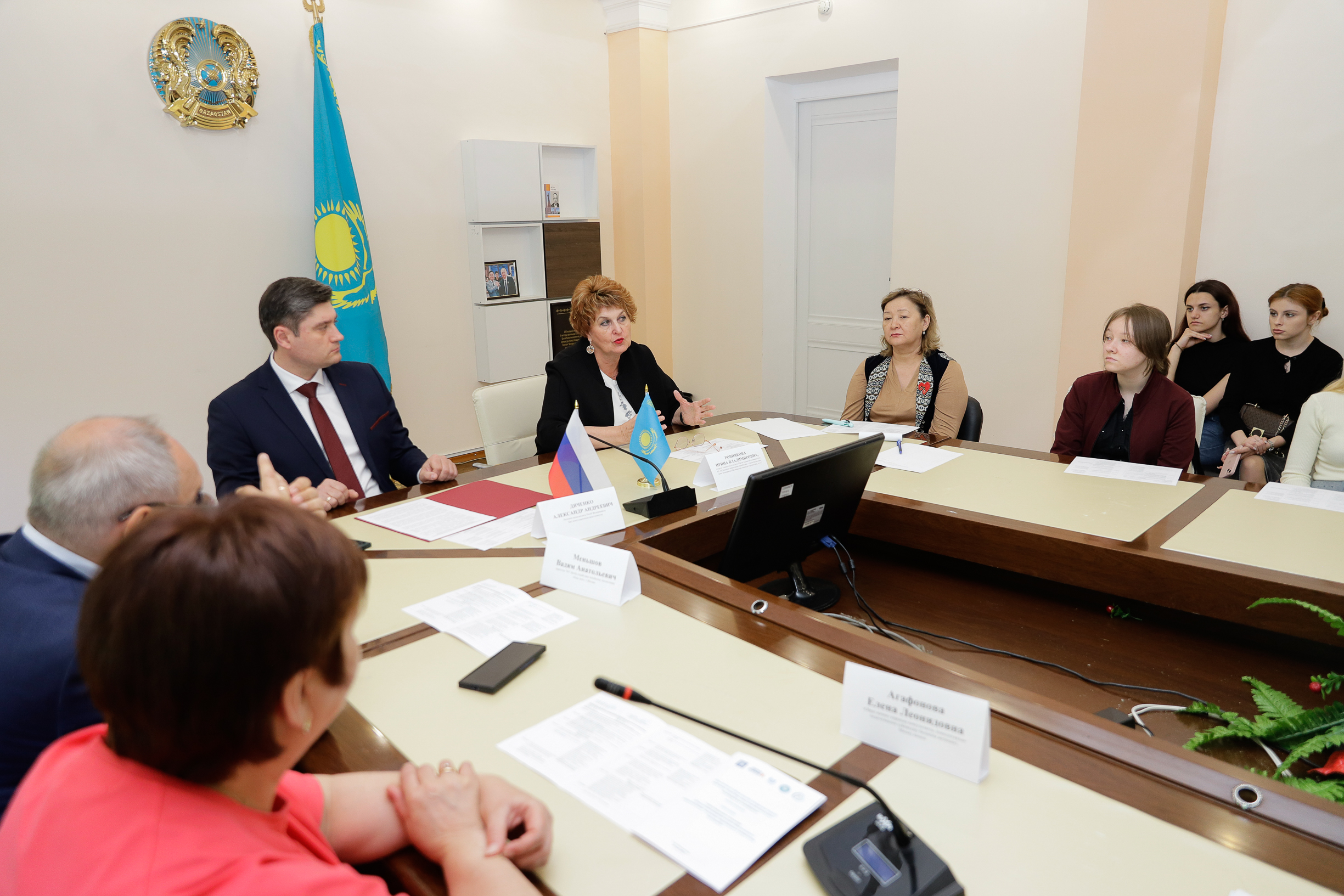
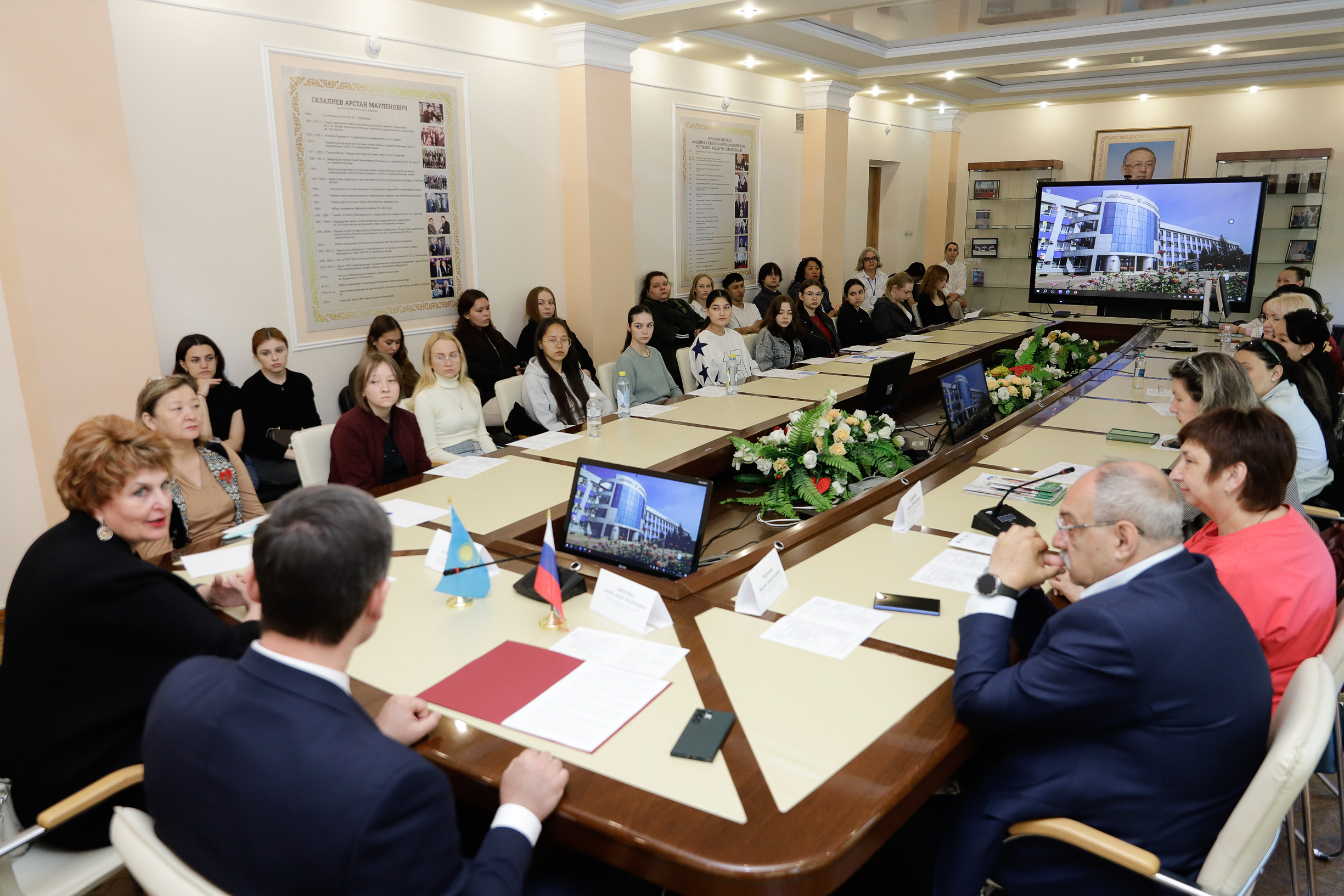
An international seminar titled “Medicine, Education and Social Support: An Interdisciplinary Model of Inclusive Support” was held at Amanzholov University. The event brought together specialists, researchers, educators, and representatives of social support organizations from Kazakhstan and the Russian Federation.
The purpose of the seminar was to discuss modern approaches to supporting children and individuals with special educational needs, exchange international experience, and present effective models for creating an inclusive environment.
The seminar was opened by Irina Vladimirovna Rovnyakova, Vice-Rector for Strategic Development and International Cooperation of Amanzholov University, who wished the participants productive and meaningful work. Alexander Andreyevich Dyachenko, Vice Consul of the Consulate General of the Russian Federation in Ust-Kamenogorsk, also delivered welcoming remarks, emphasizing the importance of humanitarian and educational cooperation between the two countries.
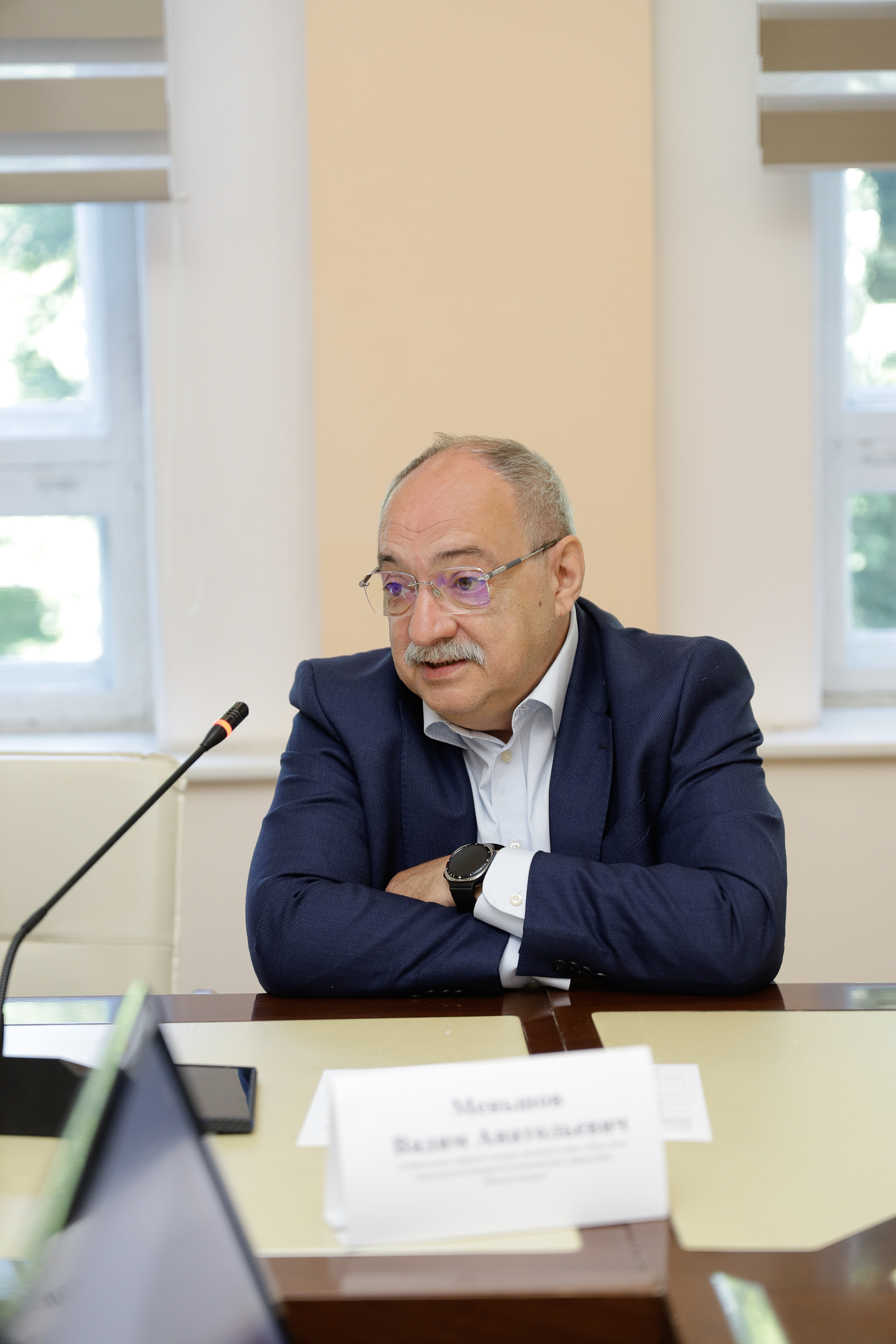
During the panel discussion, Vadim Menshov, Director of the “Our Home” Family Support Center in Moscow, and Elena Agafonova, Head of the Psychological and Pedagogical Support Department at the “Way of Life” Foundation, addressed issues related to the development of social support systems for people with special needs, inclusive support practices, and improving quality of life.
Participants also exchanged views in an open dialogue on the role of interdisciplinary support in enhancing the quality of life of children with special needs.
As part of the seminar, Professor Svetlana Stelmakh of Amanzholov University delivered a presentation on modernizing the early intervention system for child development. Rauan Baichinov, Head of the East Kazakhstan Regional Psychological-Medical-Pedagogical Consultation Center, discussed the assessment of special educational needs within Kazakhstan’s PMPC system.
The seminar also focused on modern technologies, services, and support models for individuals with special needs, as well as mechanisms for guiding children from primary care services to a comprehensive support system.
The event concluded with a series of master classes dedicated to quality management in inclusive environments, prevention of professional burnout, person-centered approaches, and the development of individualized educational pathways and specialized development programs.
The international seminar became an important platform for strengthening cooperation, exchanging expertise, and promoting best practices in the fields of inclusive education and social support.