7 October 2026
WORKING VISIT OF NAZARBAYEV UNIVERSITY DELEGATION TO AMANZHOLOV UNIVERSITY
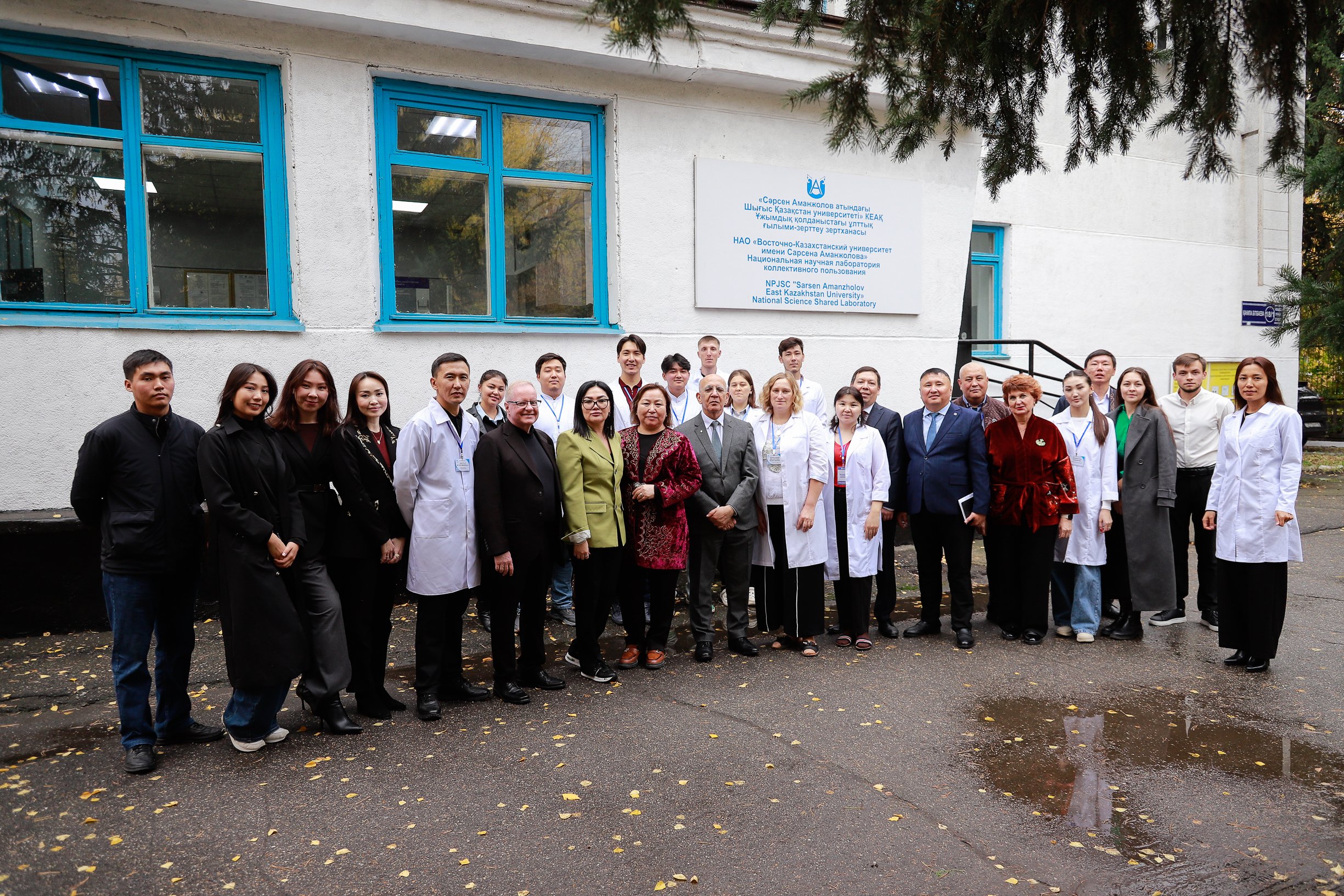
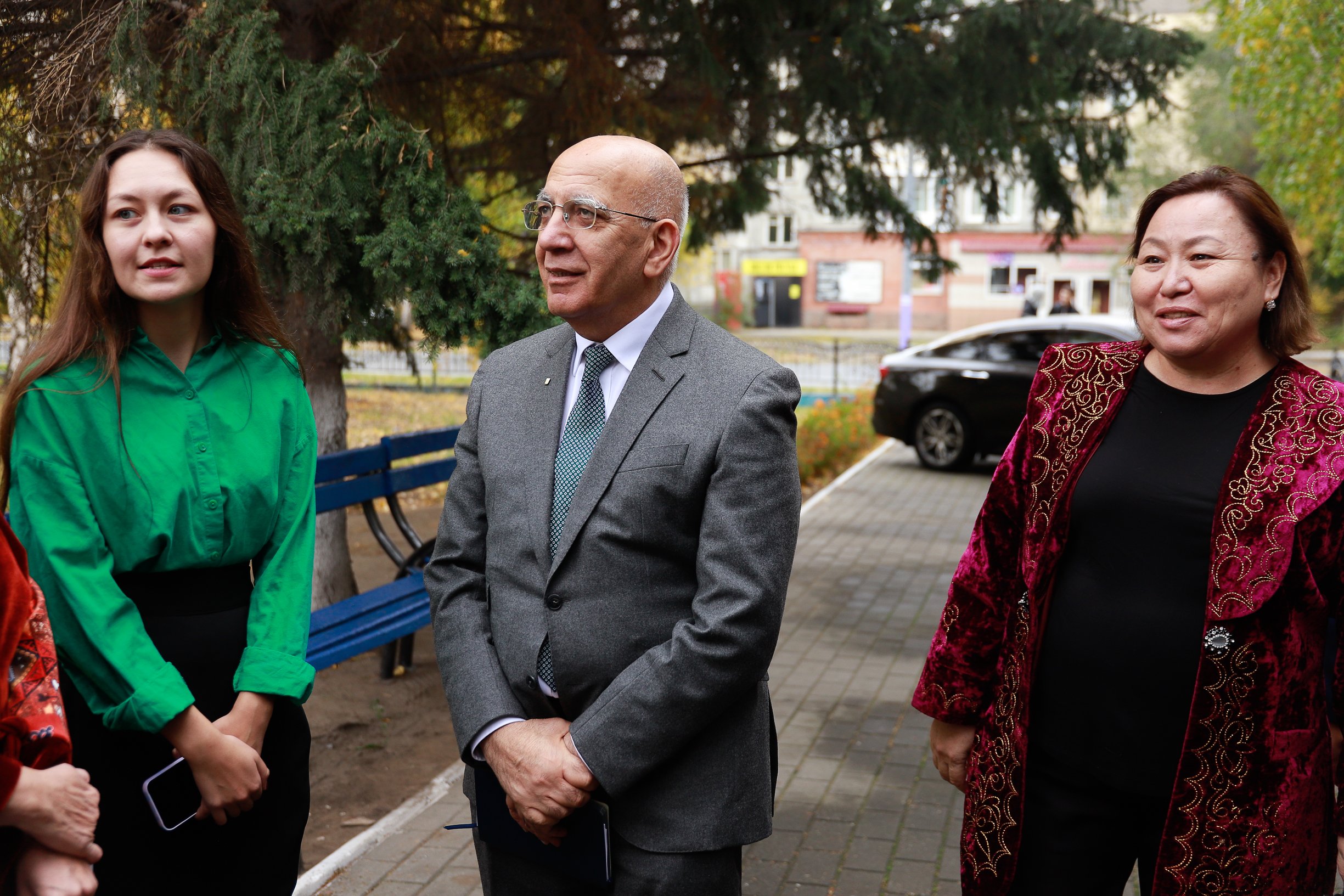
Sarsen Amanzholov East Kazakhstan University welcomed a delegation from Nazarbayev University headed by its President, Waqar Ahmad.
The delegation also included Vice President Assel Uvaliyeva, Vice Provost for Research and Innovation Björn Birgisson, and Head of the Office of the President Ilfat Fazylbayev.
The delegation was received by The Chairman of the Board – Rector Gulzhan Jarassova, faculty members, and research teams of Amanzholov University.
During the working visit, the parties discussed the scientific and innovation potential of the universities, prospects for interuniversity cooperation, the implementation of joint research and applied projects, technology transfer, and the commercialization of scientific developments.
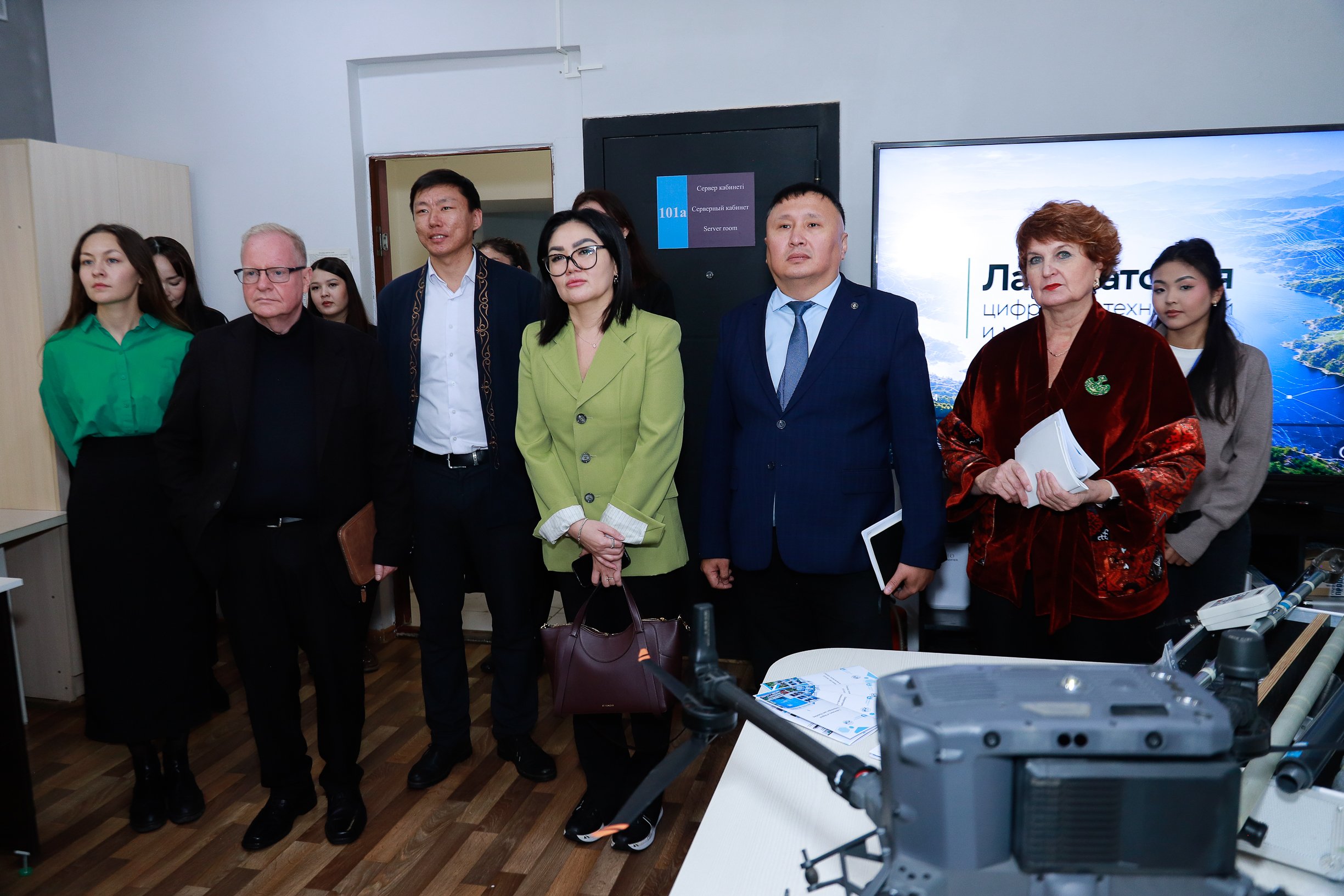
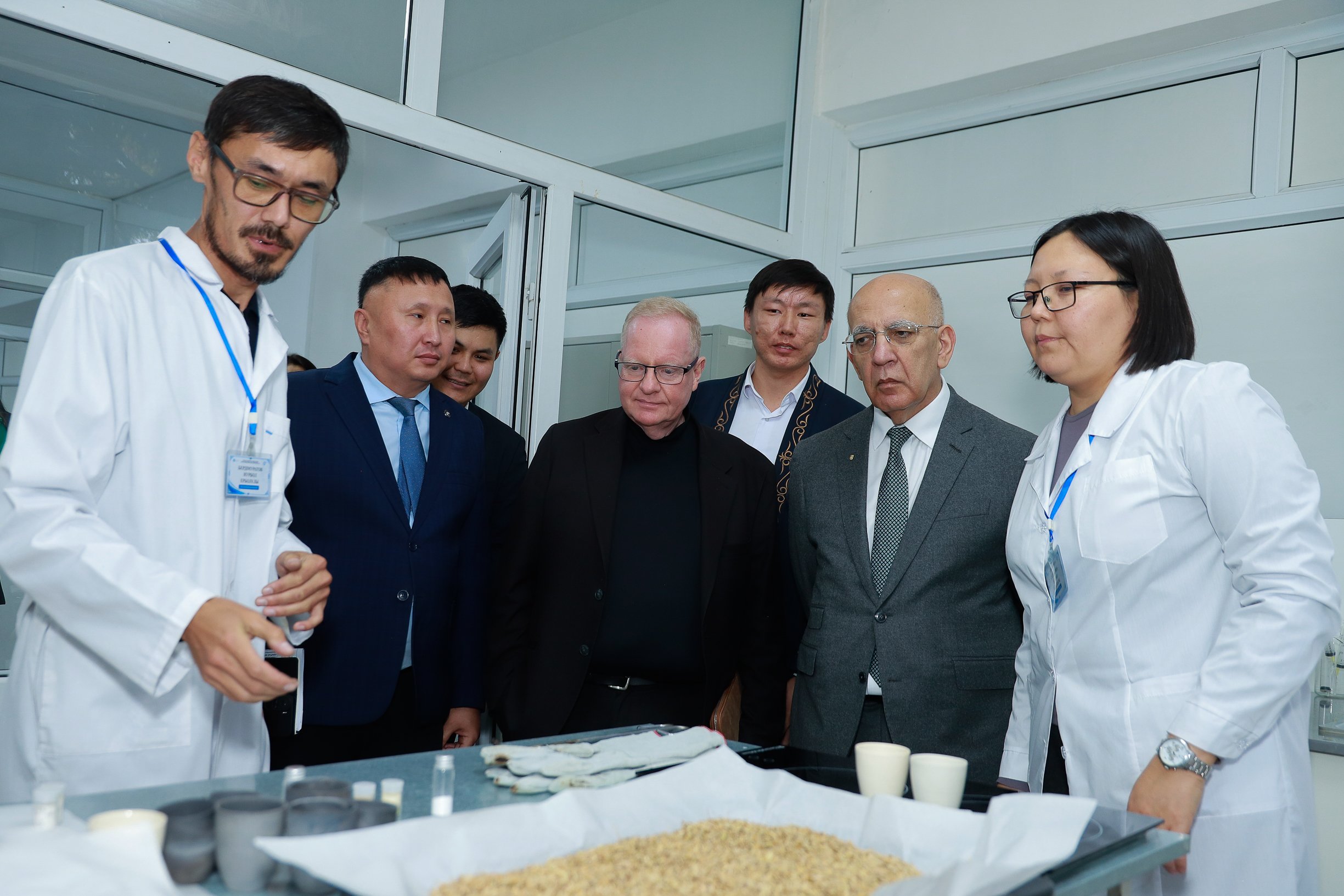
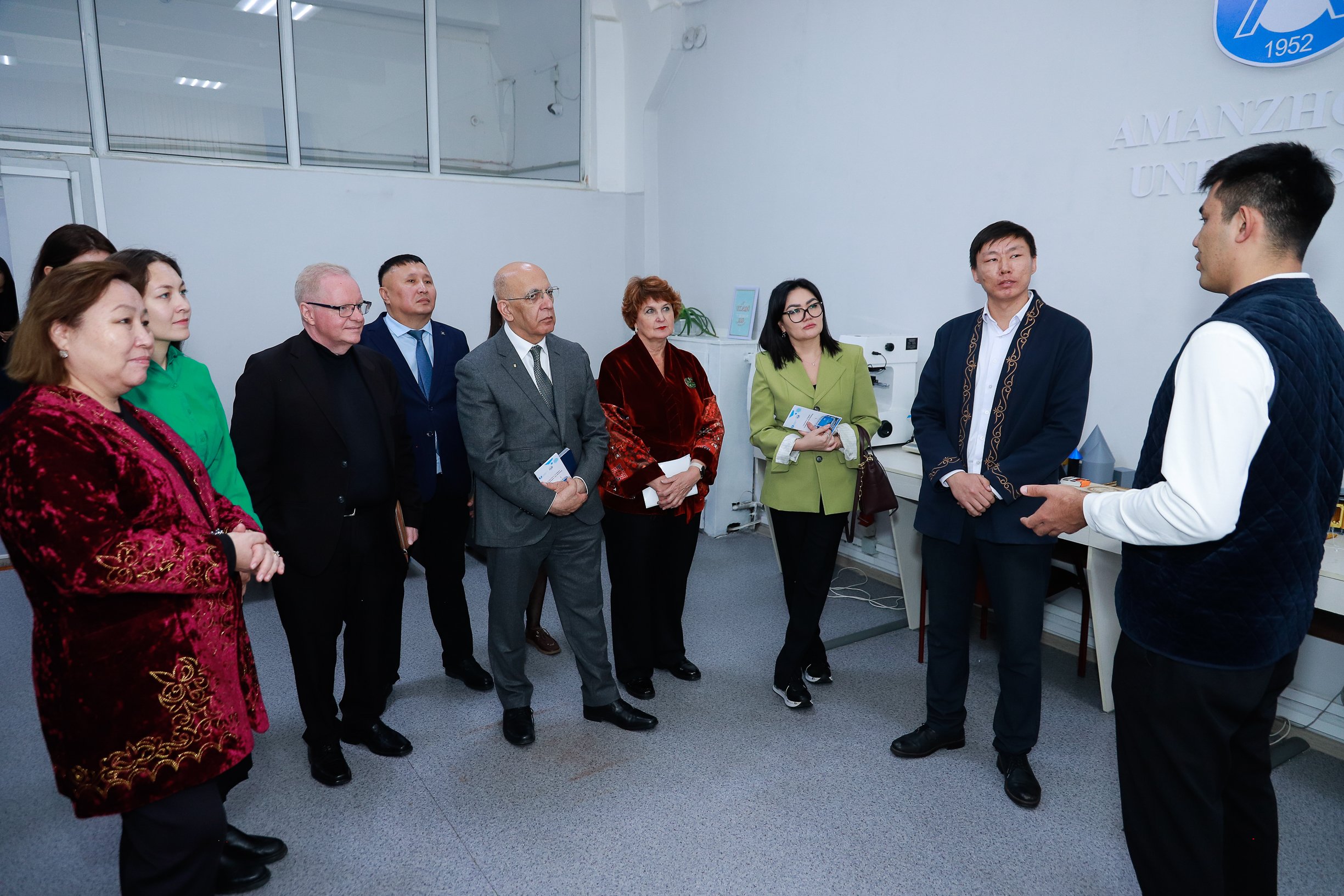
The visit began with an introduction to the scientific and research infrastructure of Amanzholov University.
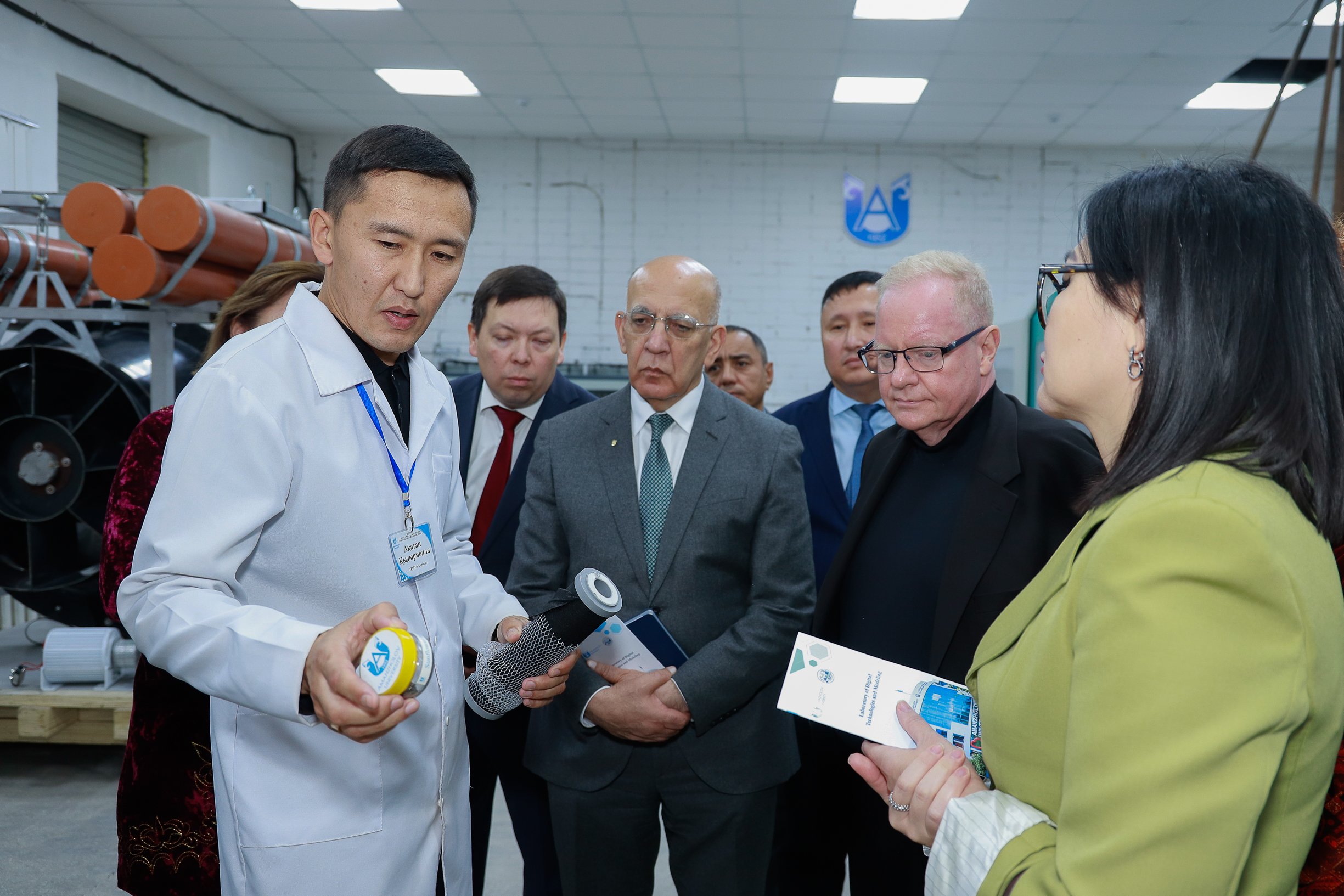
One of the key sites was the Shygys-BASTAU Technopark, established in 2024 to promote technological innovation and stimulate the development of knowledge-intensive industries. The Technopark operates in such areas as ecology and sustainable natural resource management, energy and advanced materials, digital and space technologies, advanced manufacturing, sustainable development of the agricultural sector, and the development of intellectual potential.
The delegation was introduced to commercialization projects being implemented at the Technopark. Among them is the production of three-stage household water purification filters based on composite materials, graphene oxide, and bentonites. The technology is patented, complies with the requirements of the Eurasian Economic Union, has its own AqaSaf trademark, and is included in the National Catalogue of Domestic Goods.
The Technopark is also conducting research on forecasting the water regime of agrocenoses in arid regions of Kazakhstan using Earth remote sensing data and a regional monitoring network. Another area of research involves the development of a submersible rotary mini-hydroelectric power plant designed to generate electricity from high-mountain rivers.
The delegation then visited the National Scientific Laboratory for Collective Use, where research is conducted in the fields of biology, biotechnology, and polymer composite materials. One of the developments presented was a biodegradable multicomposite biohydrogel based on cellulose-containing materials. The material is capable of absorbing, retaining, and gradually releasing moisture depending on soil conditions, creating opportunities for its use in agriculture, including in arid regions.
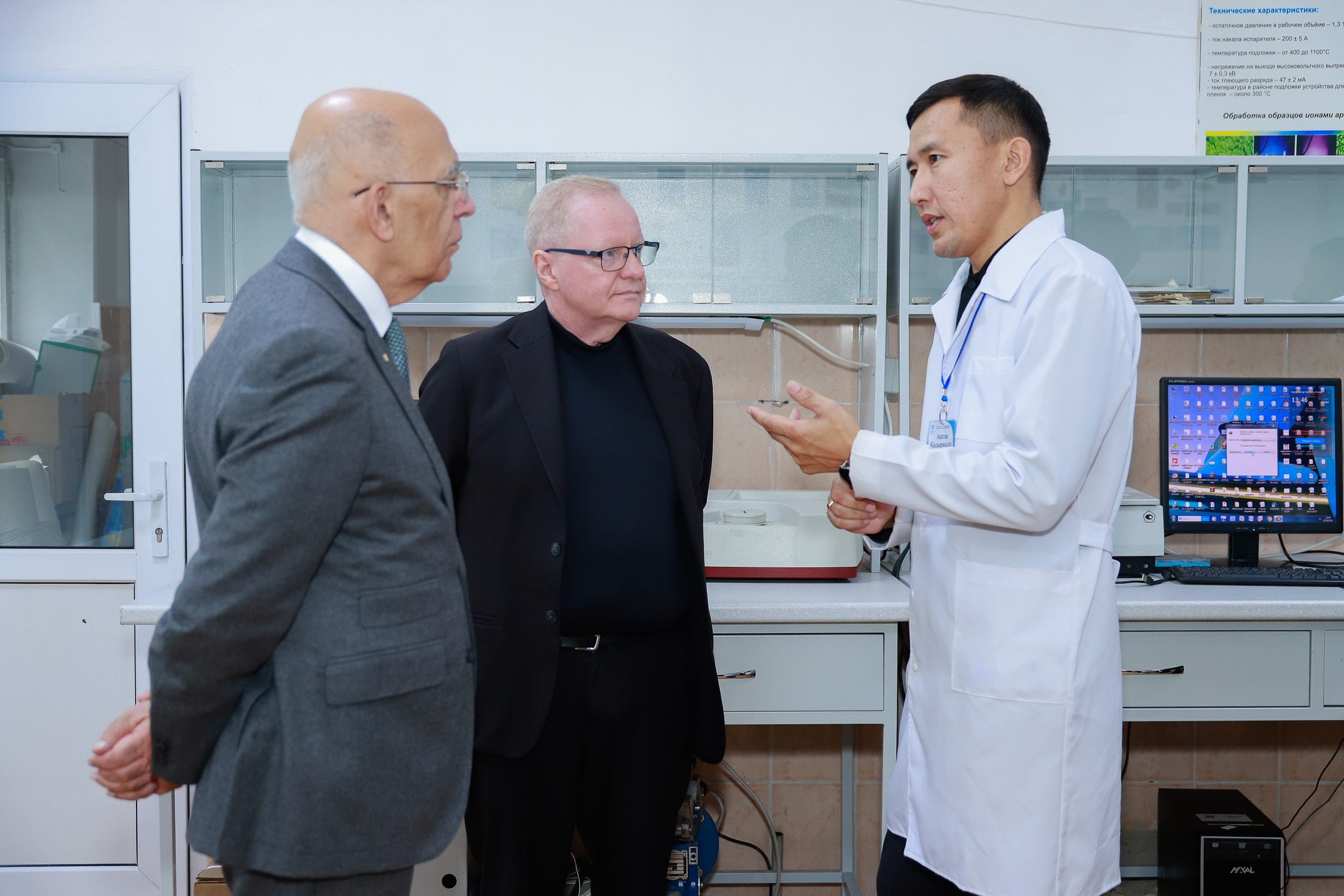
Special attention was also paid to the Surface Engineering and Tribology Research Center. The Center specializes in resource-efficient surface modification and the development of protective coatings to improve the wear resistance of mechanical engineering components.
The guests were introduced to research on assessing the service life of technological equipment components, producing high-entropy alloy coatings through thermal spraying, improving detonation coatings, and developing electrical discharge processing methods. One promising area involves the use of industrial waste as raw material for producing high-strength protective coatings.
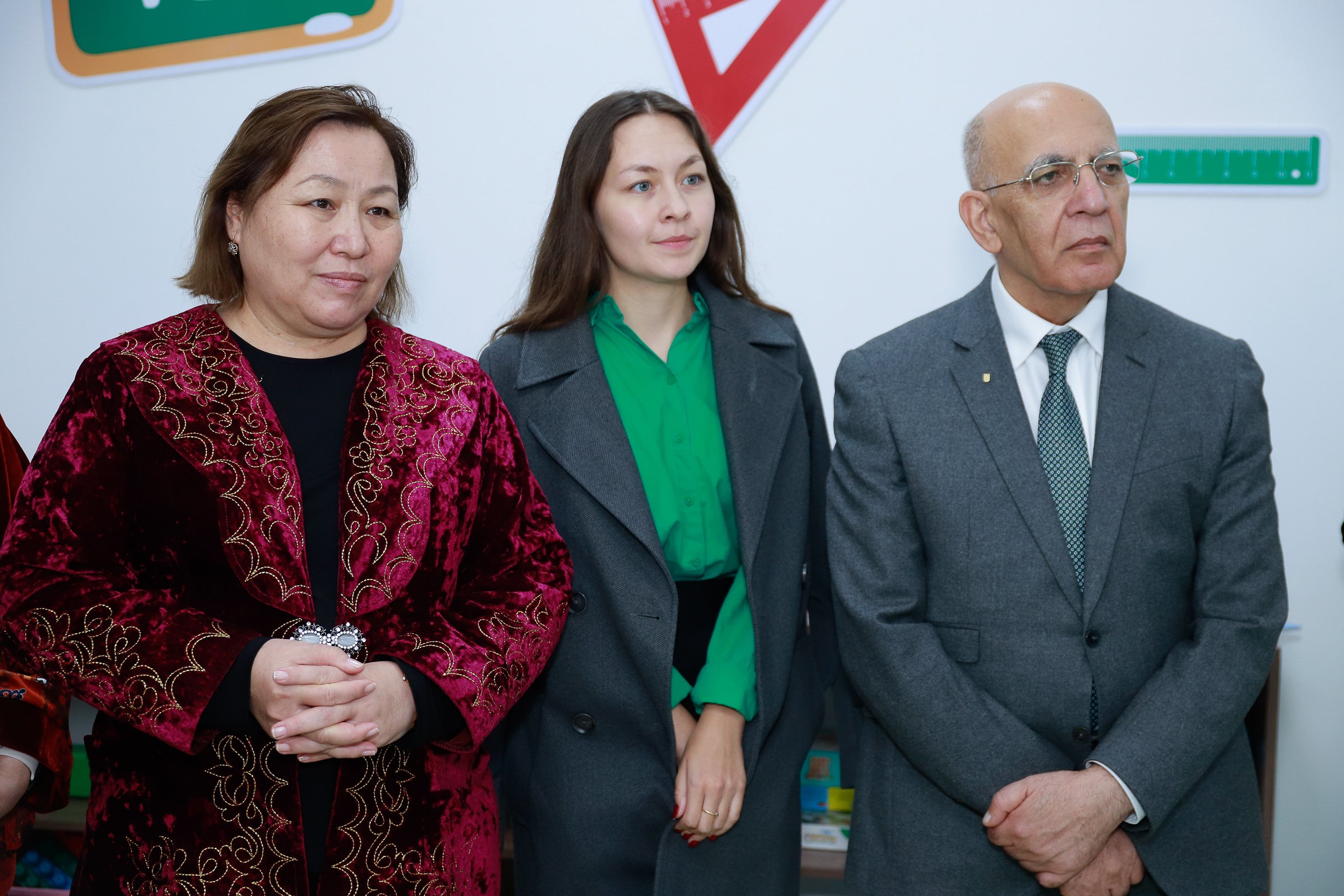
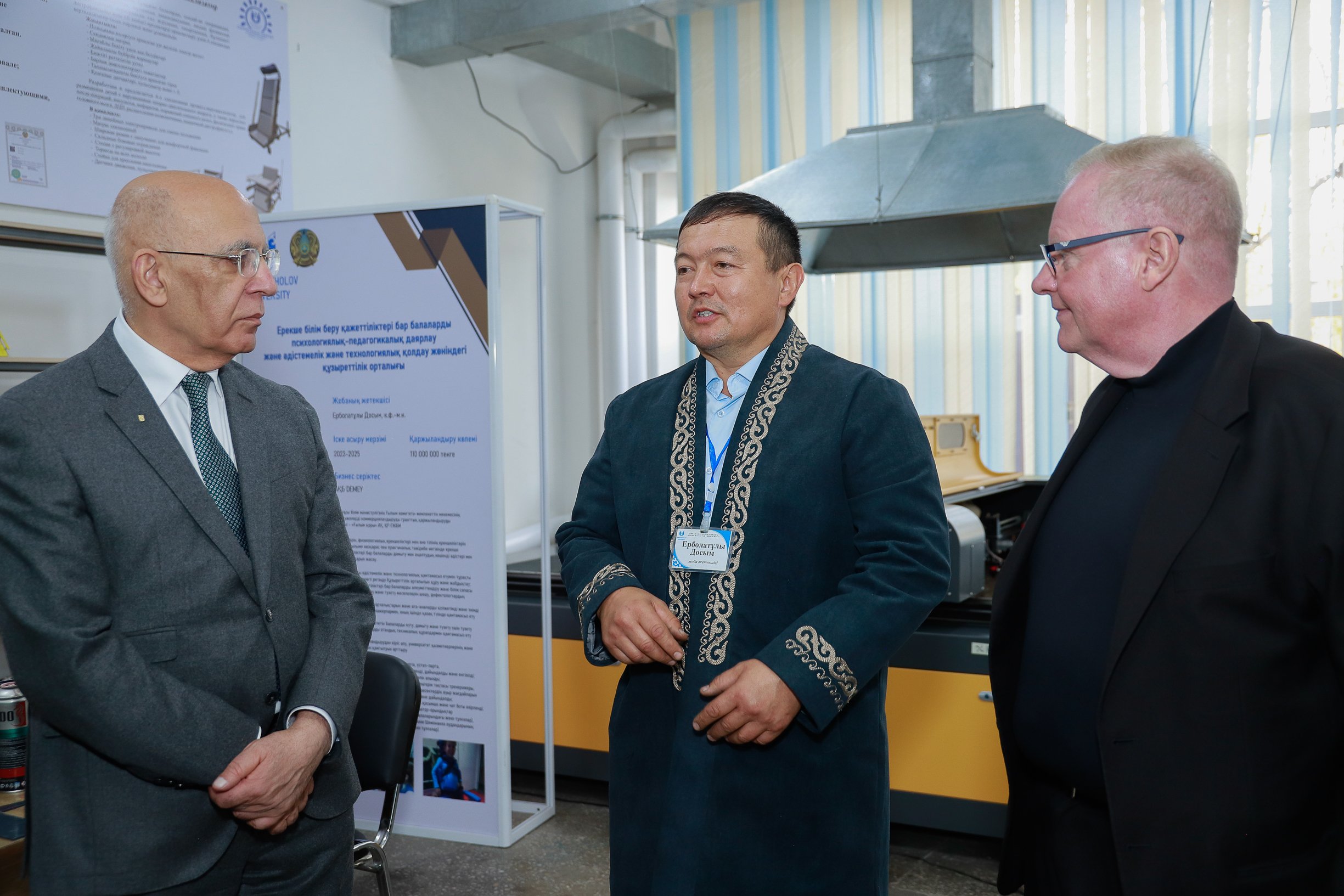
Inclusive education formed another important part of the visit. The delegation became familiar with the activities of the Competence Center for Psychological and Pedagogical Training and Methodological and Technological Support for Children with Special Educational Needs, as well as the DANA BALA Center for Continuing and Inclusive Education.
As part of this area, the University has developed more than 15 types of domestically produced diagnostic and corrective tools protected by patents for technical devices and copyright certificates for interactive simulators and methodologies. The practical work of the centers is also linked to the training of specialists through the Ergopedagogy and Early Support Pedagogy educational programs, implemented in cooperation with Semey Medical University and relevant organizations in the region.
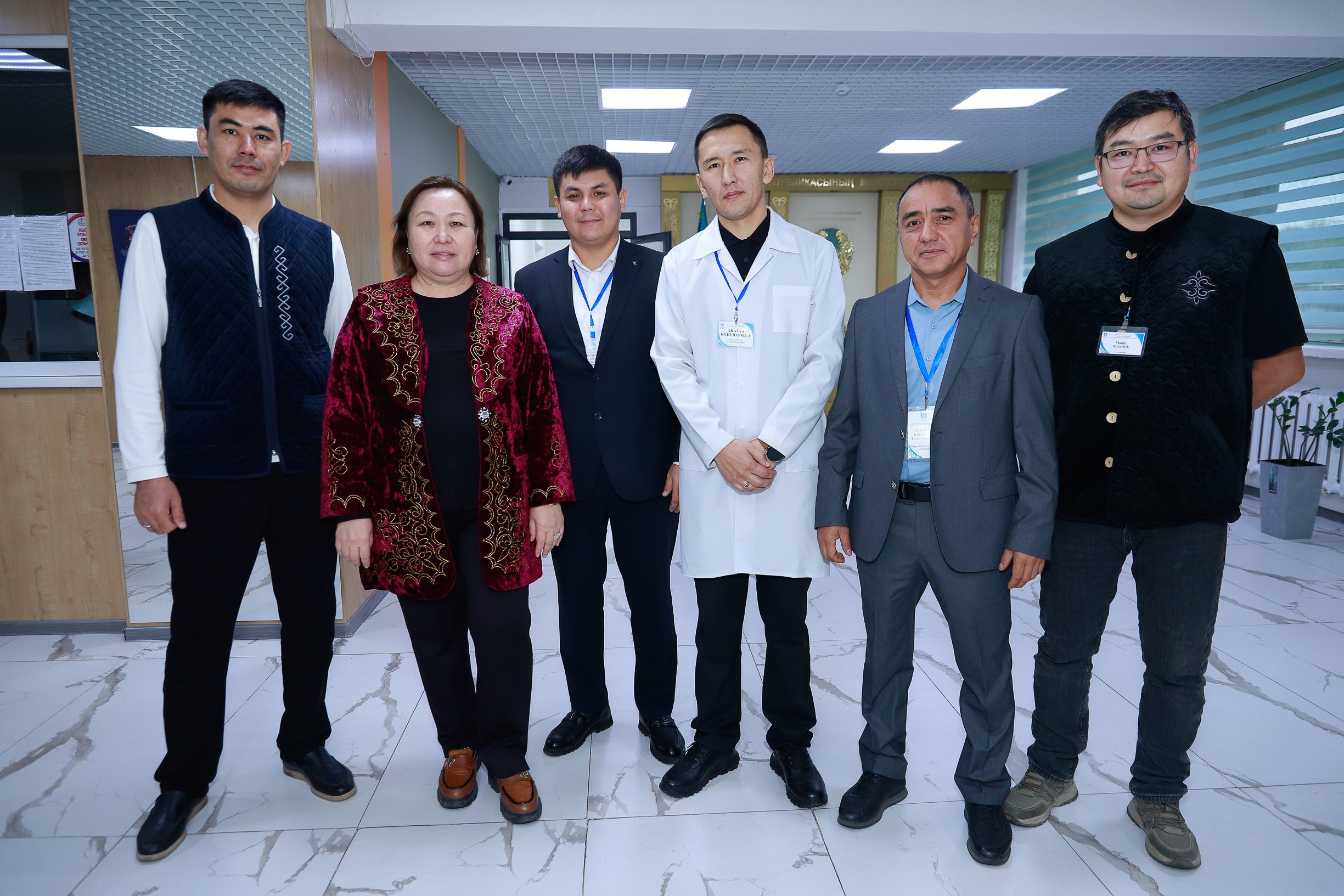
A special part of the visit was a meeting between representatives of Nazarbayev University and its graduates who are currently working at Amanzholov University. The participants discussed the graduates’ professional paths, their current activities, and their contribution to the development of the University.
The visit concluded with bilateral talks focused on the further development of scientific and educational partnership. The parties discussed joint research programs, the exchange of experience in the commercialization and patenting of scientific developments, academic mobility for faculty members and young researchers, as well as the implementation of interdisciplinary projects in engineering, biotechnology, ecology, and special education.
The working visit laid the foundation for identifying specific areas of further cooperation between the two universities and for developing joint initiatives in science, education, and the technological development of the region.