29 October 2026
WORKSHOP ON EDUCATION QUALITY ASSESSMENT AND THE USE OF AI HELD AT AMANZHOLOV UNIVERSITY
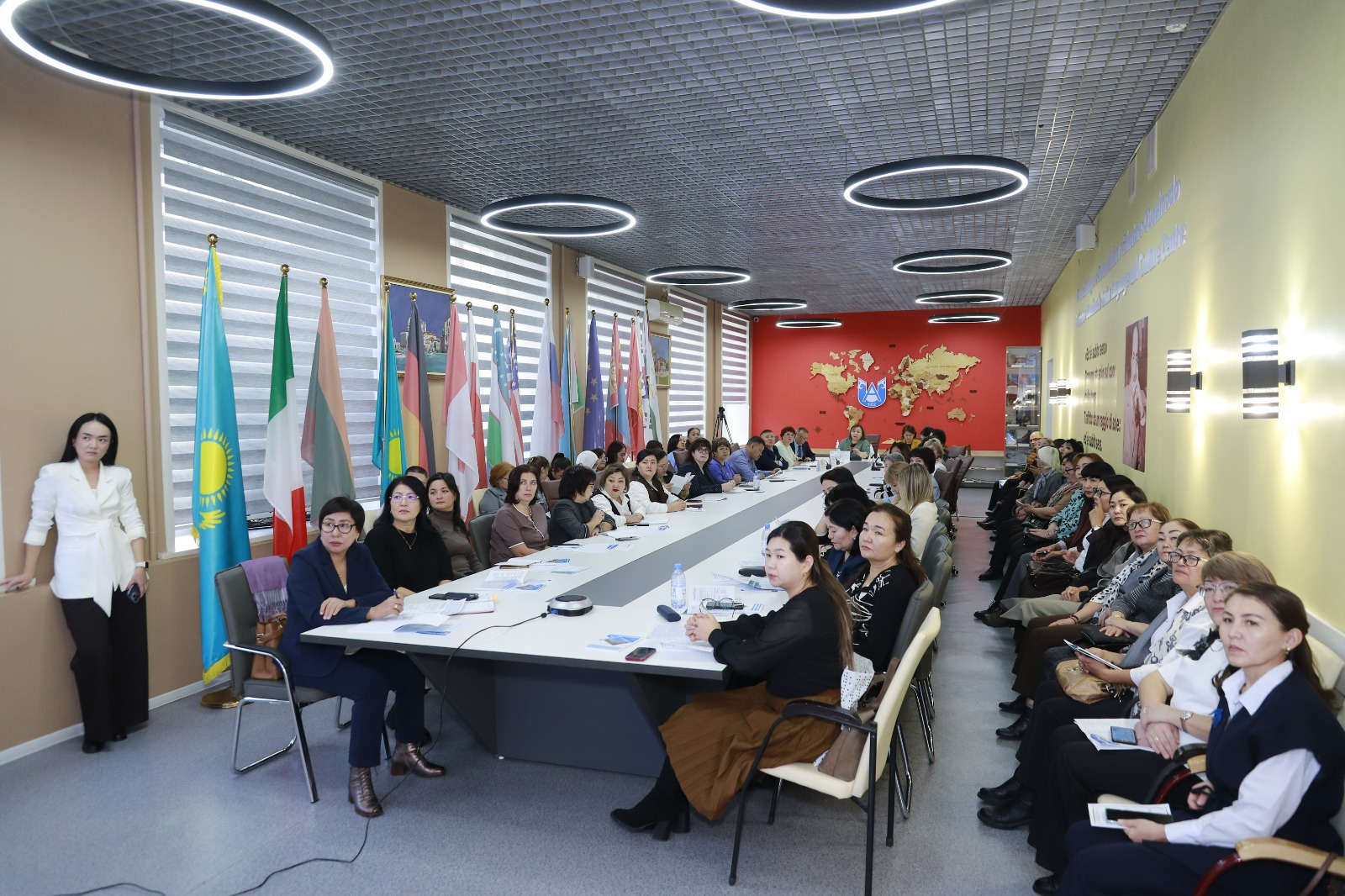
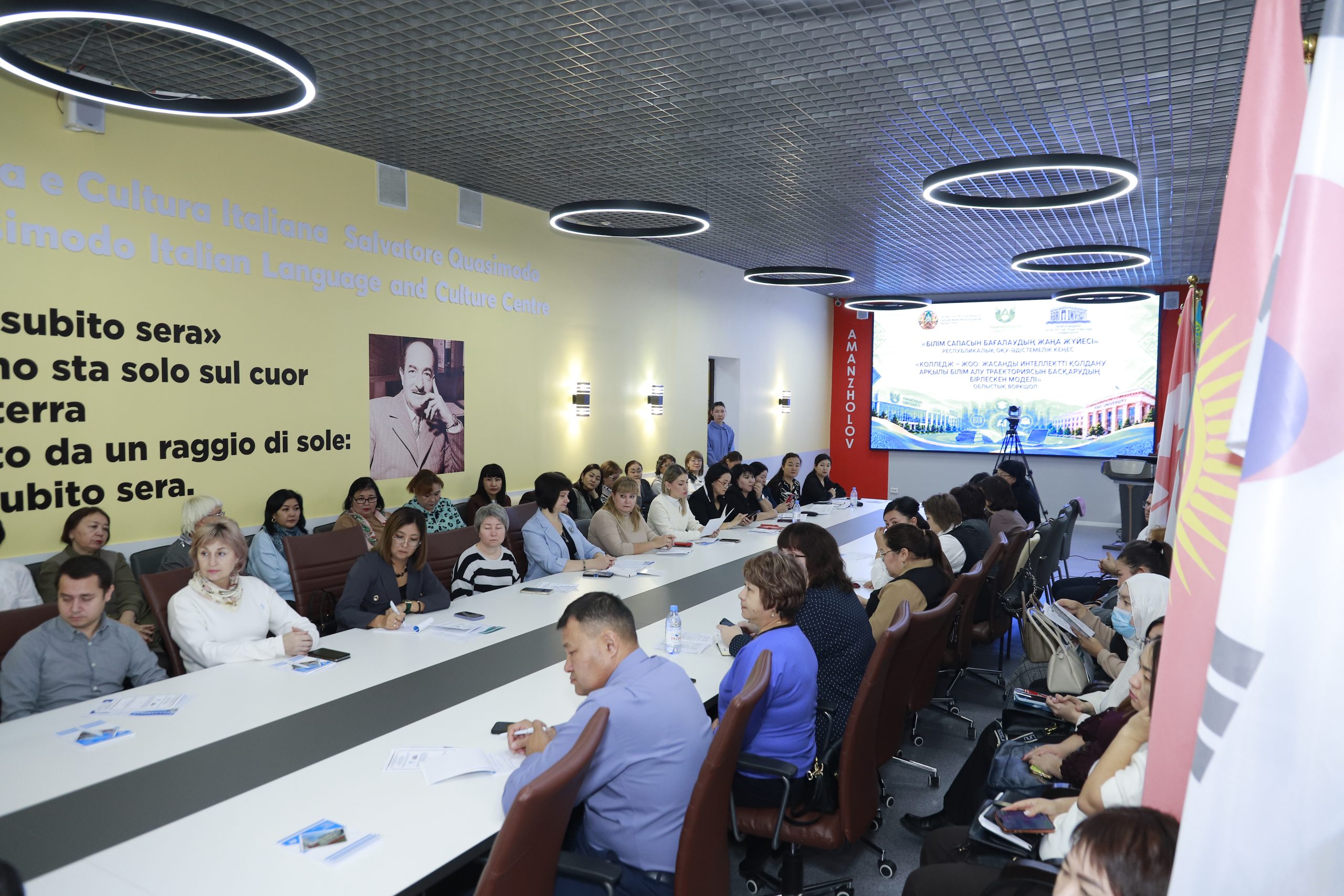
Sarsen Amanzholov East Kazakhstan University hosted a meeting of the Republican Educational and Methodological Council and the regional workshop “College – University: A Joint Model for Managing Educational Pathways Using AI.”
As President of the Republic of Kazakhstan Kassym-Jomart Tokayev noted in his Address, “Countries that master new technologies and artificial intelligence and fully put them to use will be at the forefront of progress.” This idea is particularly relevant amid the digital transformation of education, as the introduction of artificial intelligence creates new opportunities to improve the educational process, strengthen interinstitutional cooperation, and develop individualized learning pathways.
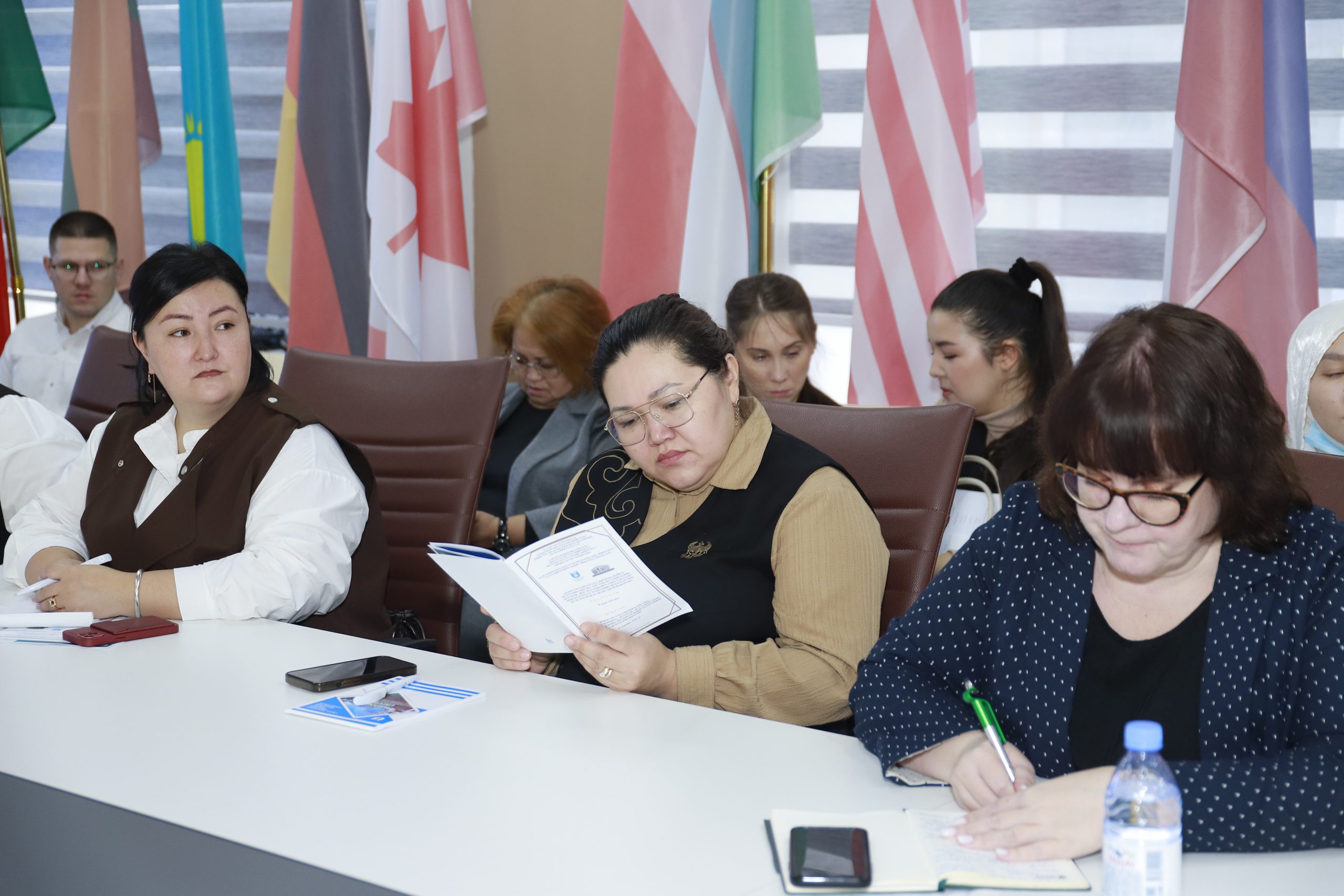
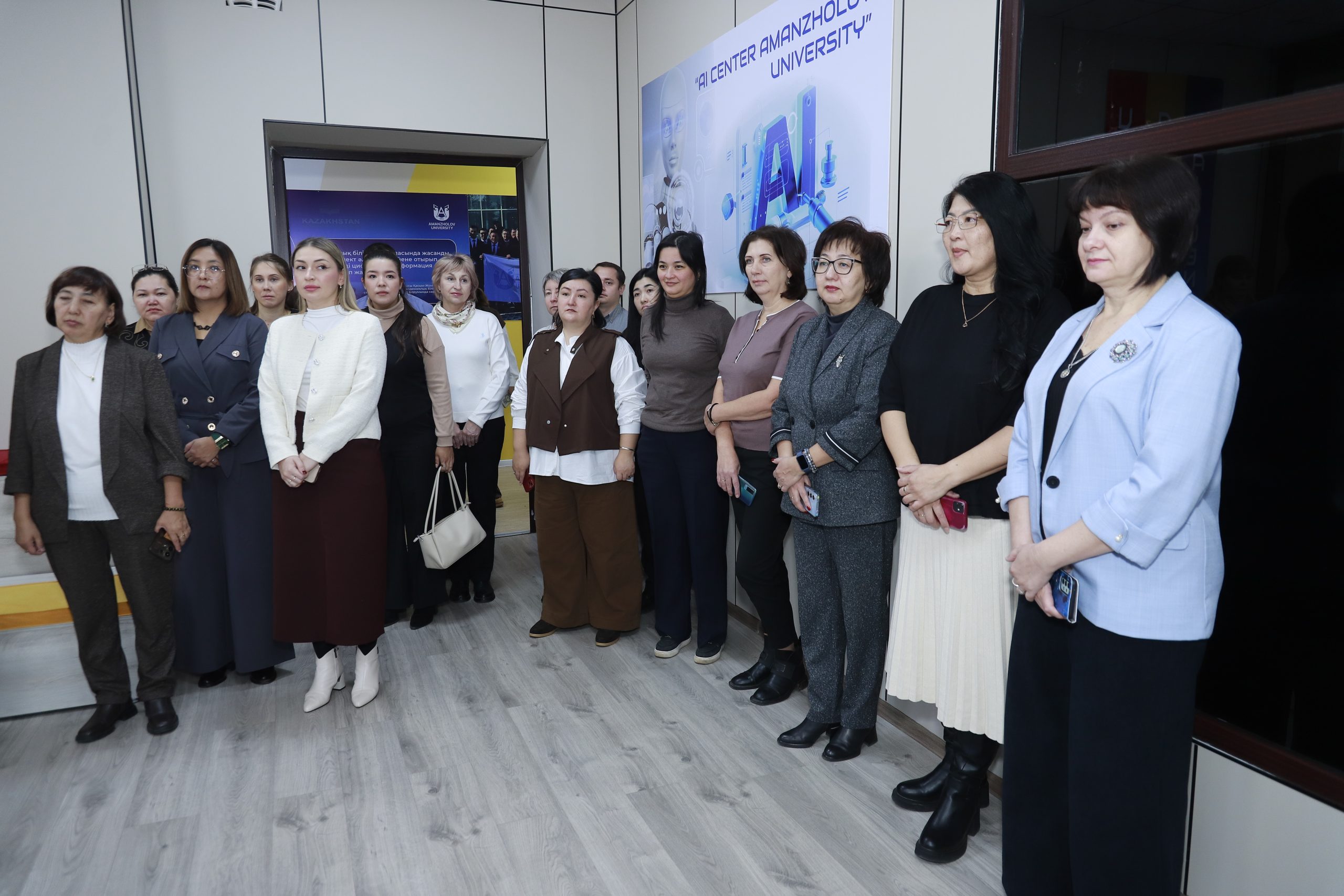
The events brought together representatives of universities and colleges, education authorities, educational program managers, developers of digital solutions, and employers. The key topics included improving the quality of education, ensuring continuity between different levels of education, and using artificial intelligence to enhance educational pathways.
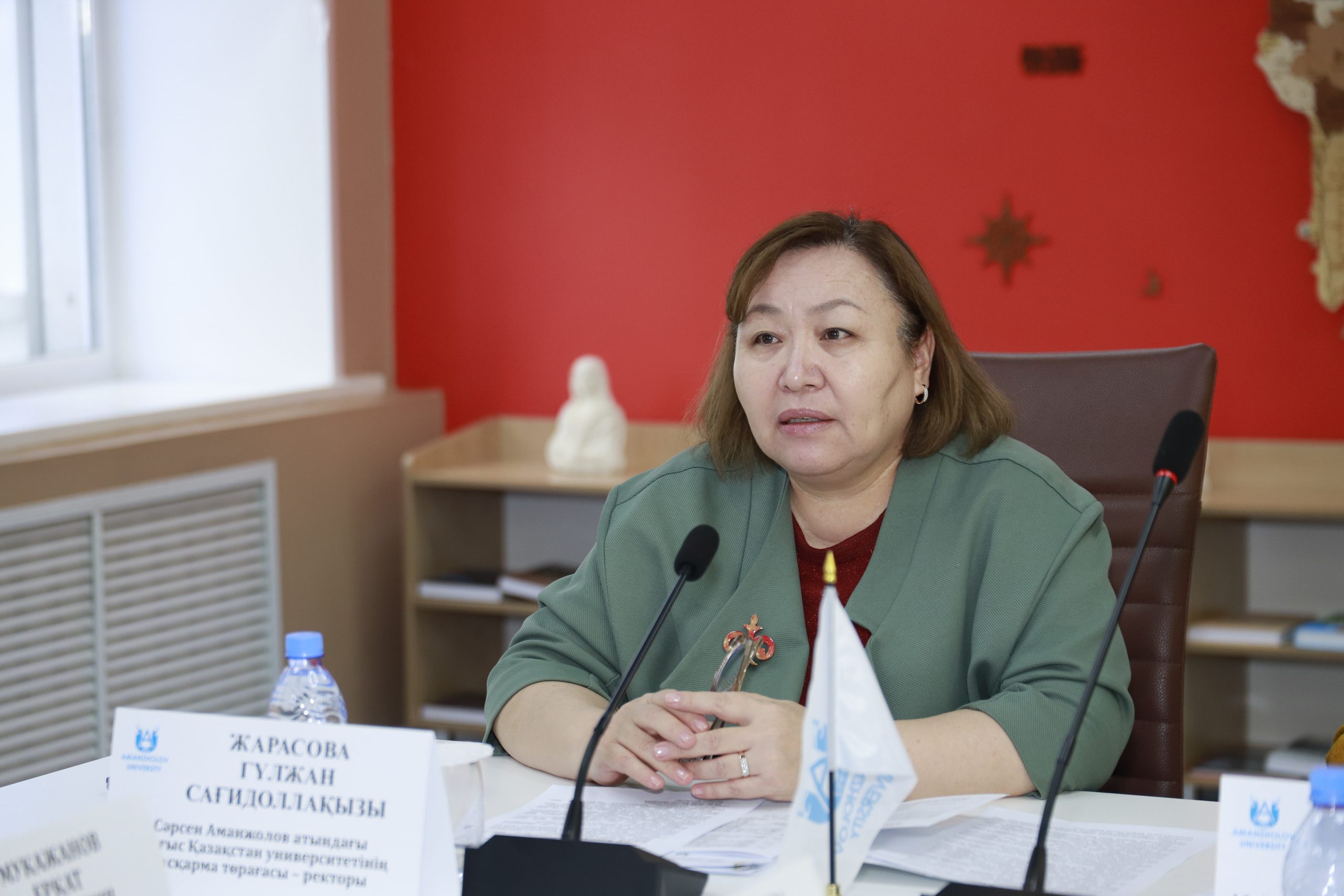
The workshop was moderated by The Chairman of the Board – Rector Gulzhan Jarassova. She emphasized the need to move from assessing educational processes to evaluating actual outcomes, noting that the professional readiness of graduates directly influences the quality of school education.
During the discussion, participants examined the PRL/S-PRL model as a tool for assessing the quality of teacher training, as well as evidence-based and impact-based approaches focused on measurable evidence and the actual impact of educational programs. Particular attention was given to the effectiveness of future teacher training and the further development of the teacher education system.
Representatives of Abai Kazakh National Pedagogical University and Ybyrai Altynsarin Arkalyk Pedagogical University took part in the discussion. Yerkin Zhumankulova, Academic Secretary of the Educational and Methodological Association – Republican Educational and Methodological Council at Abai Kazakh National Pedagogical University, spoke about the impact of graduates on the quality of school education.
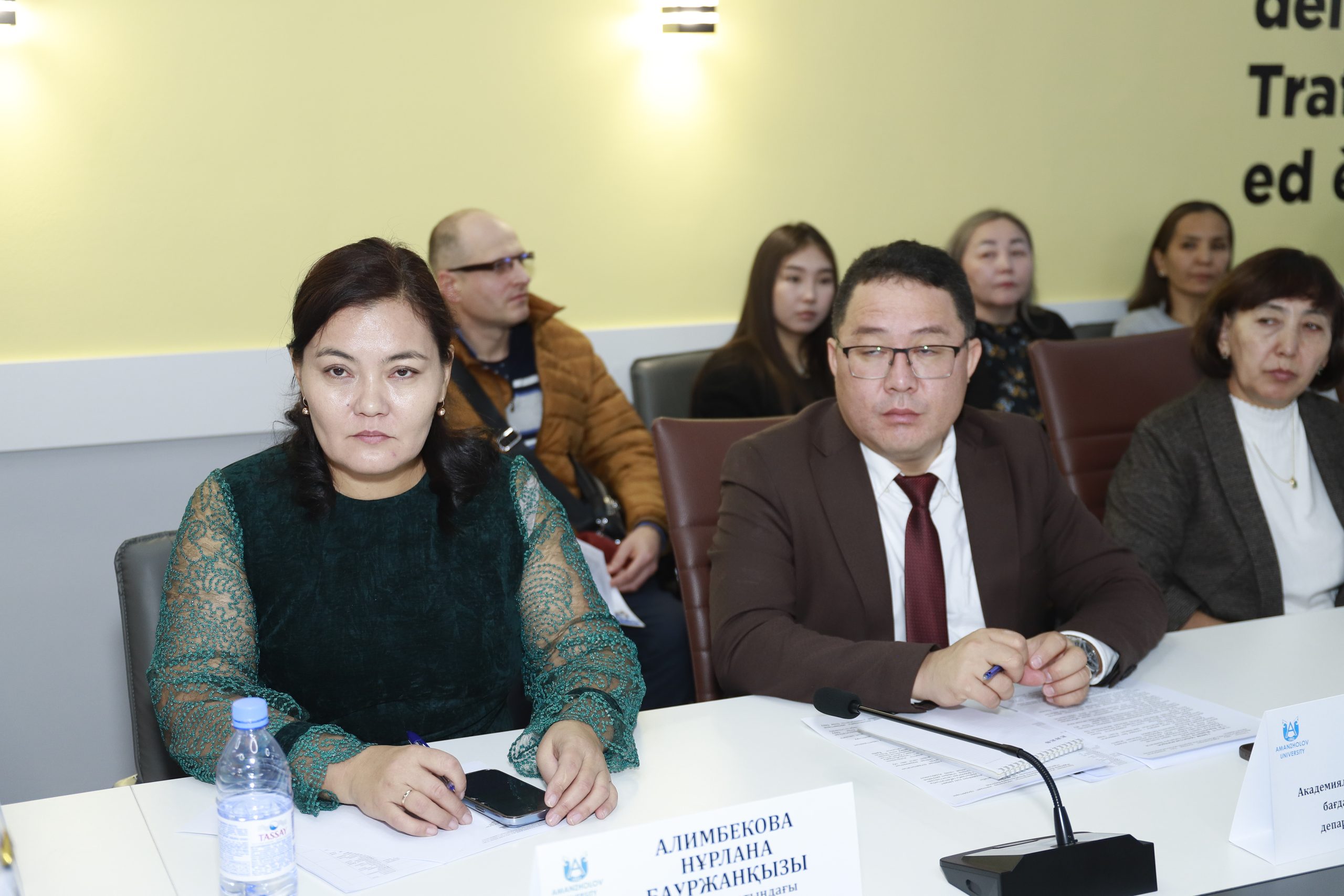
One of the key areas of the workshop was the development of a joint “college – university” educational pathway model. Nurlana Alimbekova, Member of the Board – Vice Rector for Academic Affairs of Sarsen Amanzholov East Kazakhstan University, addressed issues related to the continuity of educational programs, alignment of learning outcomes, and consideration of labor market needs.
Participants also discussed the ECTS and ECVET credit systems and mechanisms for recognizing previously acquired competencies. This approach will make it possible to take into account learning outcomes achieved at college when students continue their education at a university, reduce duplication of academic content, and create conditions for the further development of professional skills.
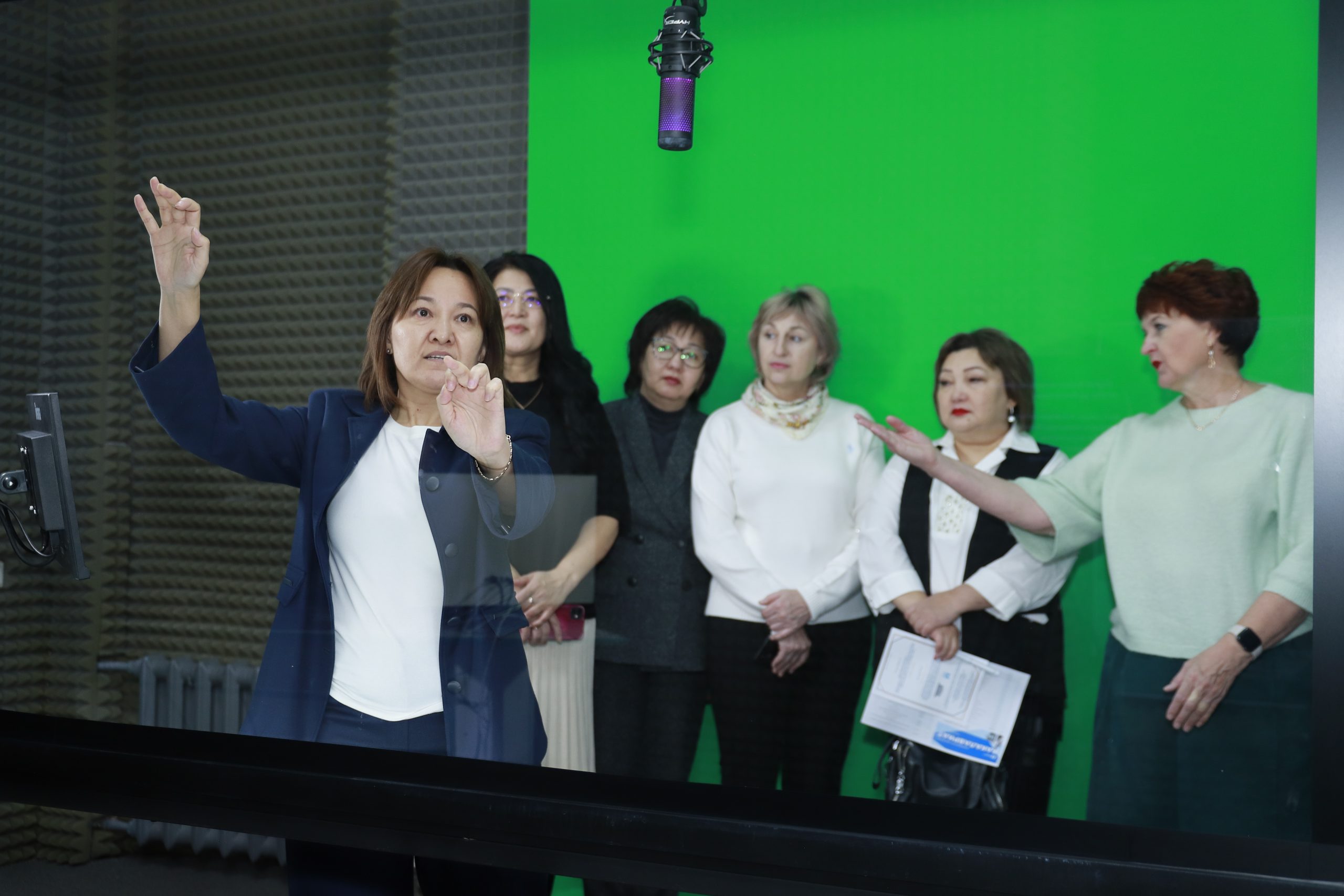
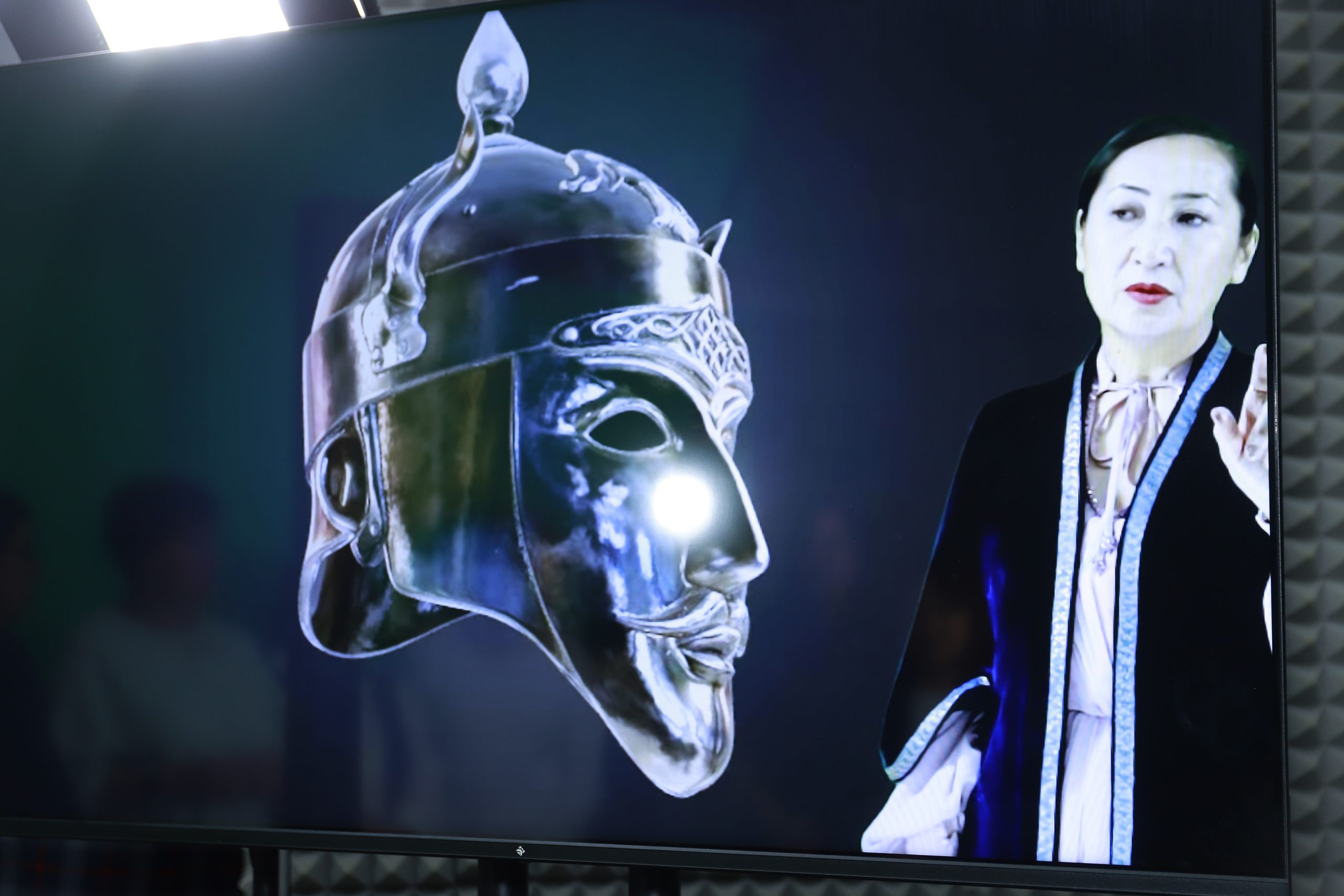
The practical part of the workshop focused on the use of artificial intelligence to compare college and university educational programs. Perizat Anafiya, Leading Specialist at the Department of Artificial Intelligence and Digitalization, presented a prototype AI model developed at the University. She demonstrated the tool’s capabilities for creating competency maps, comparing learning outcomes, and identifying similarities and differences between technical and vocational education and higher education programs.
During the practical session, mixed teams of college and university representatives analyzed related educational programs, academic modules, and competencies, identified gaps, and discussed ways to provide digital support for educational pathways. Participants also explored the potential use of AI agents and chatbots, the need for expert validation of recommendations, and compliance with data protection requirements.
Organizational aspects of cooperation between colleges and universities were considered during a management session. Yerzhan Domalatov, Director of the Department of Academic Policy and Educational Program Management, outlined the main barriers to developing educational pathways, including duplication of academic content, recognition of learning outcomes, academic differences, and administrative processes.
At the conclusion of the workshop, participants were invited to provide written feedback on the further development of the program and submit recommendations for its improvement. The collected proposals will serve as a basis for further work on the joint model for managing educational pathways.
Following the events, participants identified possible areas for pilot projects, the need to distribute responsibilities, and the importance of coordinating implementation timelines for joint solutions. The workshop became a platform for professional dialogue between representatives of higher education and technical and vocational education and was aimed at strengthening cooperation between colleges and universities, improving the quality of specialist training, and introducing digital tools into the management of educational pathways.