13 November 2026
NANOTECHNOLOGY AS A NEW DIRECTION IN EDUCATION AT AMANZHOLOV UNIVERSITY
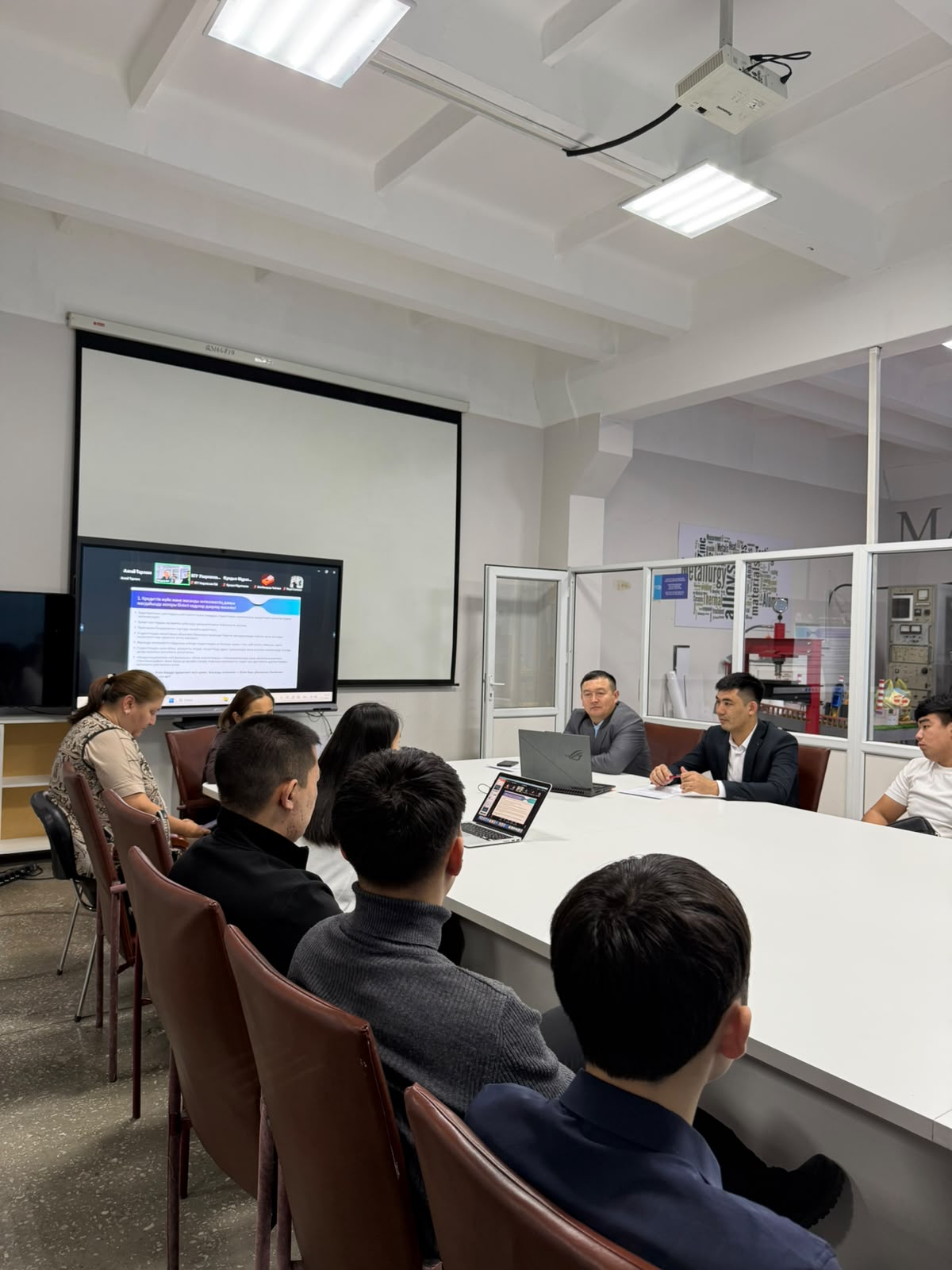
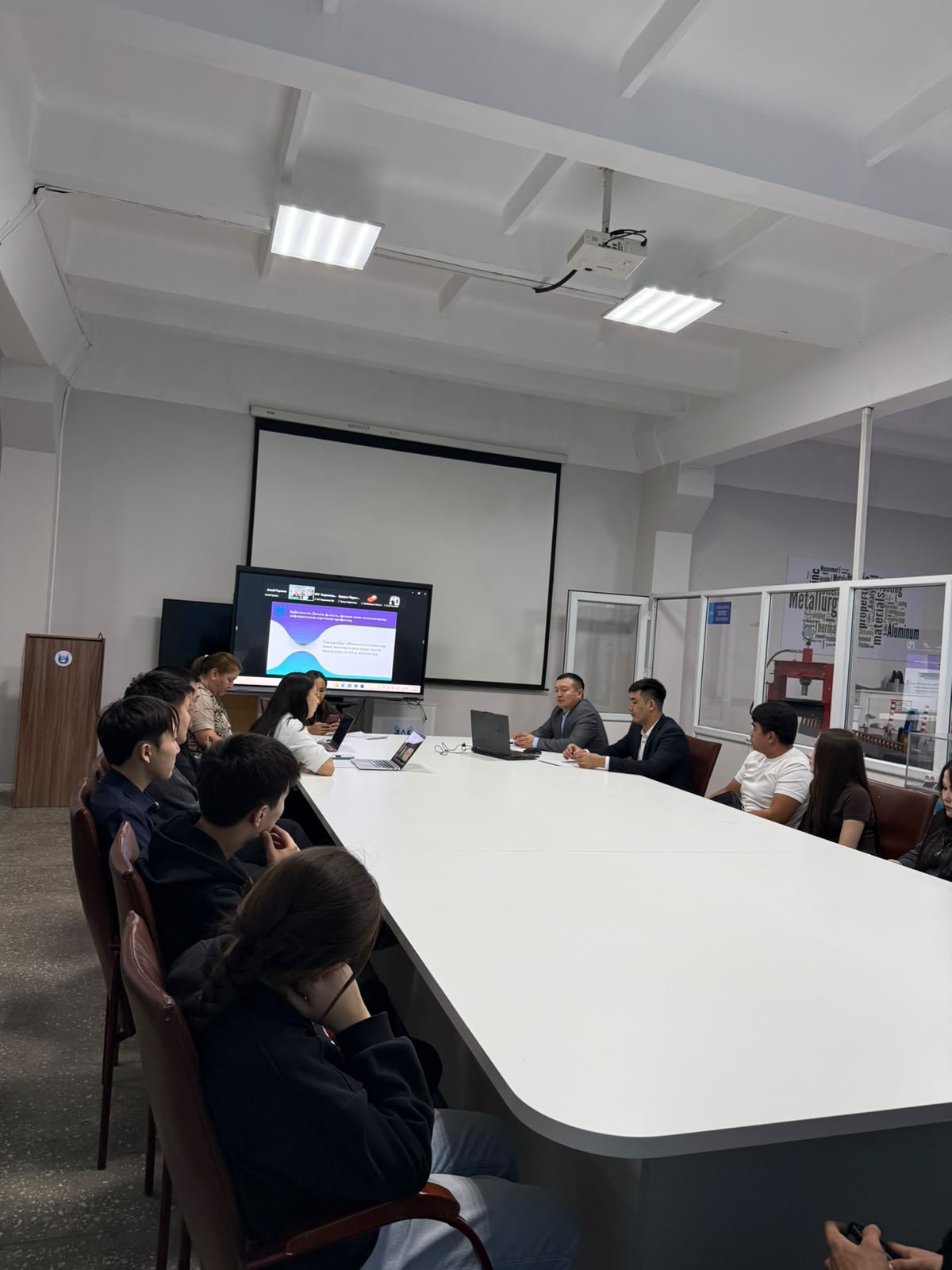
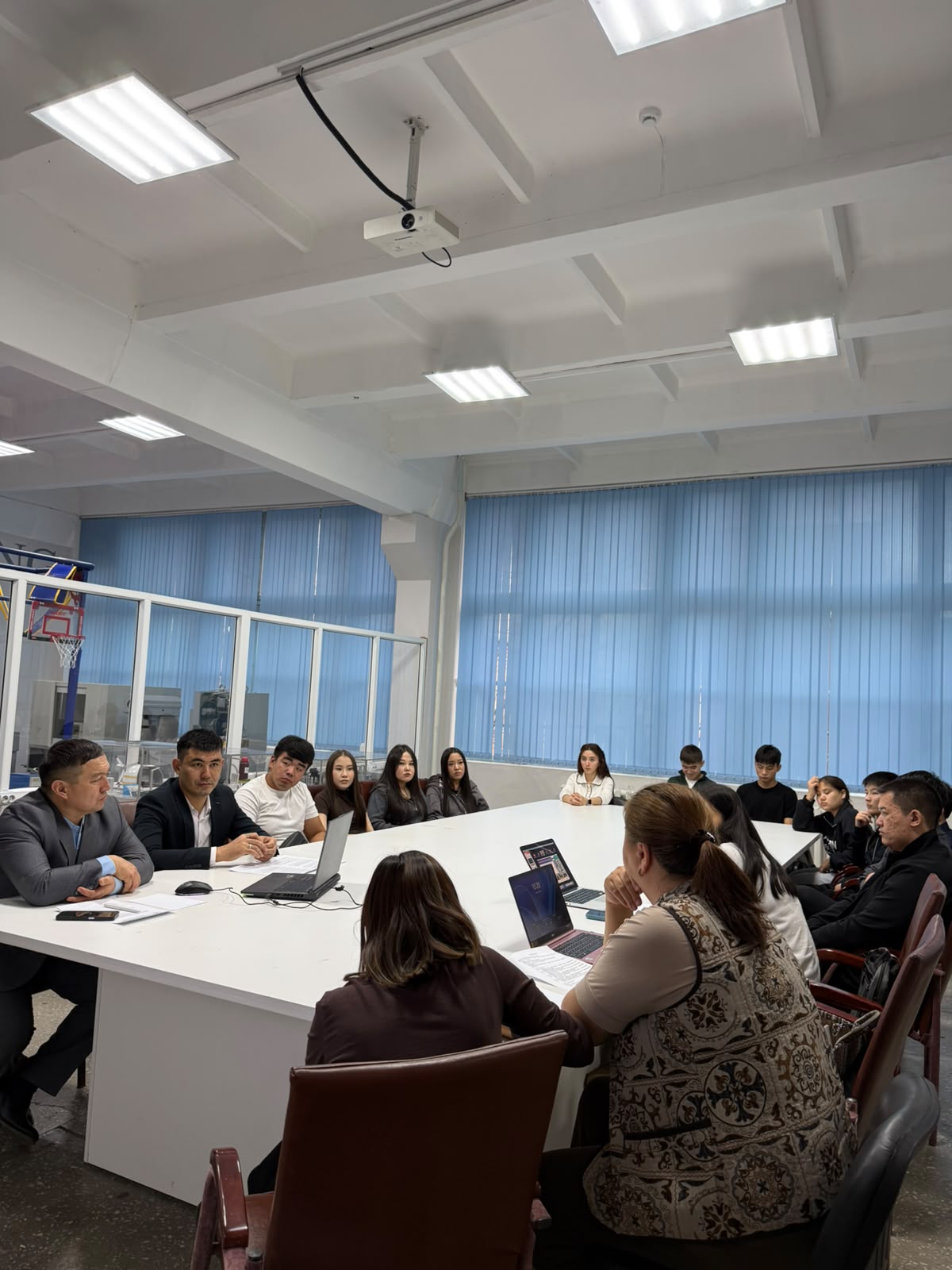
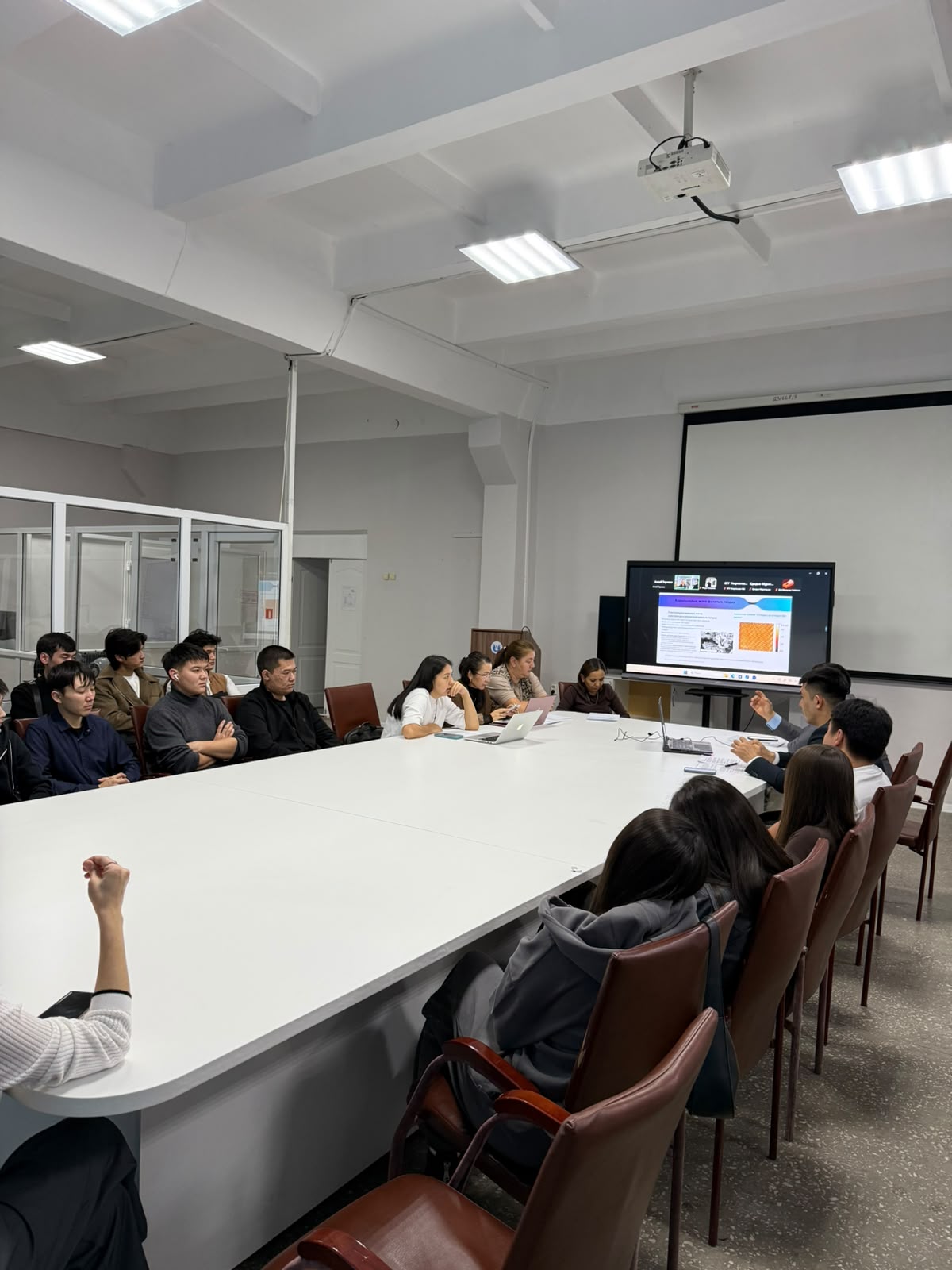
Sarsen Amanzholov East Kazakhstan University held a round table entitled “Teaching Nanotechnology at School and University: STEM Approaches, Continuity and Development Prospects.”
The event was organized by the Department of Physics and Technologies within the framework of research project AP25796559, “Development of Scientific and Pedagogical Practices for Enhancing the Competencies of Pre-Service and In-Service Physics Teachers in Teaching Nanotechnology through STEM Technologies.”
Students and faculty members of the educational programs Physics Teacher Training, Applied Physics and Nanotechnology, and Technology of Processing Industries, as well as school teachers, participated in the round table in both online and offline formats.
The meeting was opened by Rimma Yerbolatovna Sakenova, Head of the Department of Physics and Technologies. In her remarks, she emphasized the importance of integrating modern scientific achievements in nanotechnology into the educational process.
During the round table, Dossym Yerbolatovich, Professor at the Department of Physics and Technologies and Candidate of Physical and Mathematical Sciences, delivered a presentation on the prospects for the development of nanotechnology, the relevance of teaching it, and the preparation of students for emerging technological fields. He noted that studying the fundamentals of nanotechnology helps broaden scientific horizons and develop research and engineering thinking.
Anas Bakdaulet Mukhitdinuly, Researcher at the Shygys Bastau Technopark and project leader, presented the scientific and methodological aspects of teaching the fundamentals of nanotechnology to future physics teachers. Particular attention was paid to the potential of STEM approaches and digital educational resources in teaching the subject.
Kundyz Muratkyzy Muratova, physics teacher at Shokan Ualikhanov School-Lyceum No. 3 and a first-year doctoral student in the Physics educational program, spoke about the need and opportunities for integrating nanotechnology topics into the school physics curriculum. According to her, introducing elements of nanotechnology at school can improve students’ scientific literacy and increase their interest in modern technologies.
During the discussion, participants considered ways to strengthen continuity between school and university education, integrate STEM approaches into the learning process, and improve the professional competencies of future and practicing physics teachers. Opportunities for using project-based and laboratory activities, digital educational resources, and 3D printing technologies were also discussed.
Following the round table, participants proposed considering the inclusion of basic nanotechnology concepts, information about the properties of nanomaterials, and their practical applications in the school physics curriculum. They also agreed to develop a syllabus for a course on the fundamentals of teaching nanotechnology for future physics teachers, prepare educational and methodological materials and video lectures, and design accessible laboratory activities and STEM projects.
The meeting provided a platform for strengthening scientific and methodological cooperation between schools and the University and for identifying further areas of joint work to improve the content and methods of teaching nanotechnology.