17 November 2026
PHILOSOPHICAL DIALOGUE AND NATIONAL VALUES: AMANZHOLOV UNIVERSITY PARTICIPATES IN THE IV KAZAKHSTAN PHILOSOPHICAL CONGRESS
A series of scientific events dedicated to World Philosophy Day, the 75th anniversary of Sarsen Amanzholov East Kazakhstan University, and the IV Kazakhstan Philosophical Congress was held in Kazakhstan. Representatives of Amanzholov University took part not only as participants but also as organizers of scientific meetings that brought together researchers, faculty members, and young scholars to discuss current issues in contemporary philosophical thought.
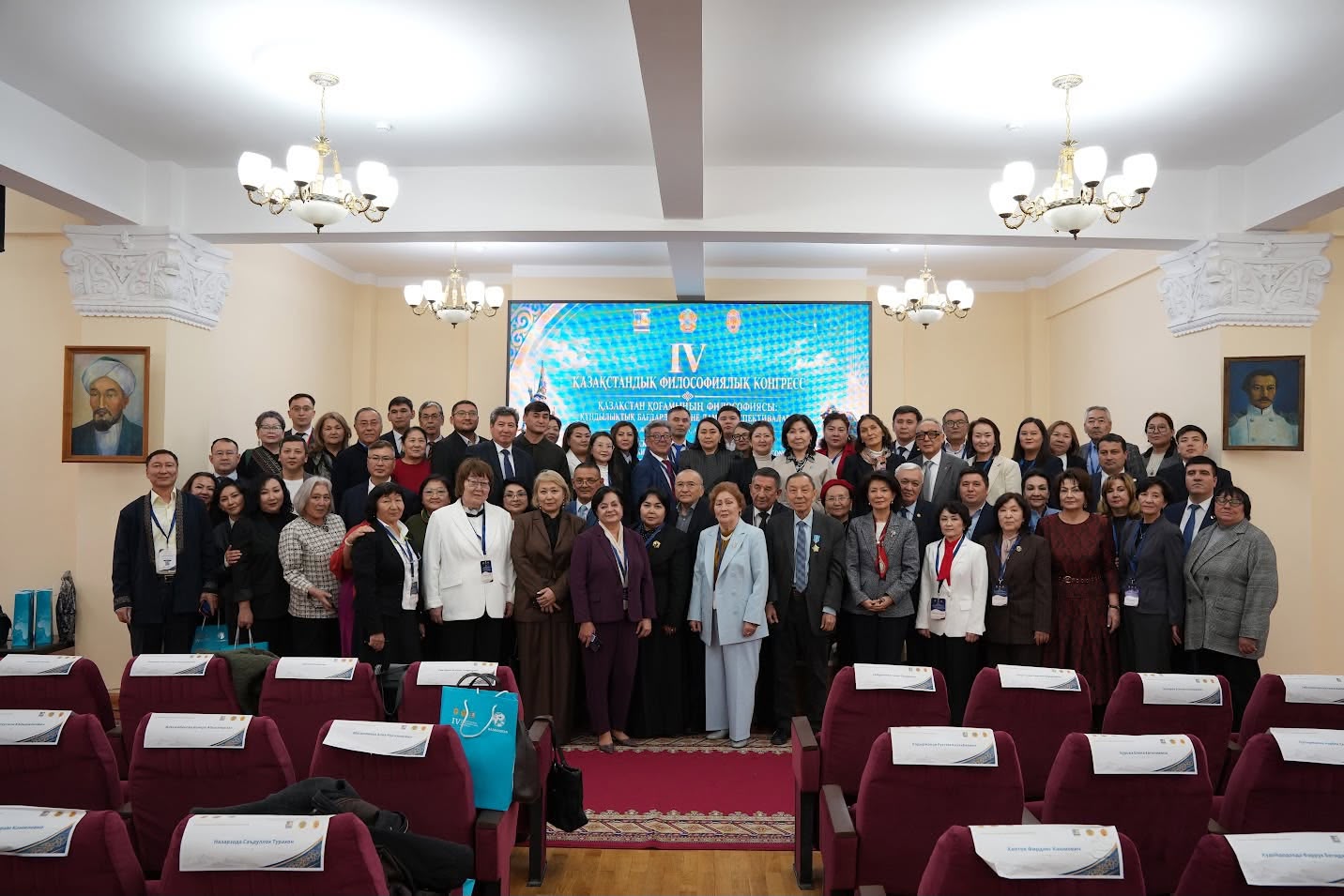
The IV Kazakhstan Philosophical Congress entitled “Philosophy of Kazakhstan’s Society: Value Orientations and Development Prospects” was held in Almaty at the Institute for Philosophy, Political Science and Religious Studies of the Science Committee of the Ministry of Science and Higher Education of the Republic of Kazakhstan. The Congress was attended by E.V. Savchuk, Academic Secretary of the Eastern Branch of the Kazakhstan Philosophical Congress, as well as Amanzholov University doctoral students B. Kadyrov, F. Kenzhebekova, and S. Beisenova.
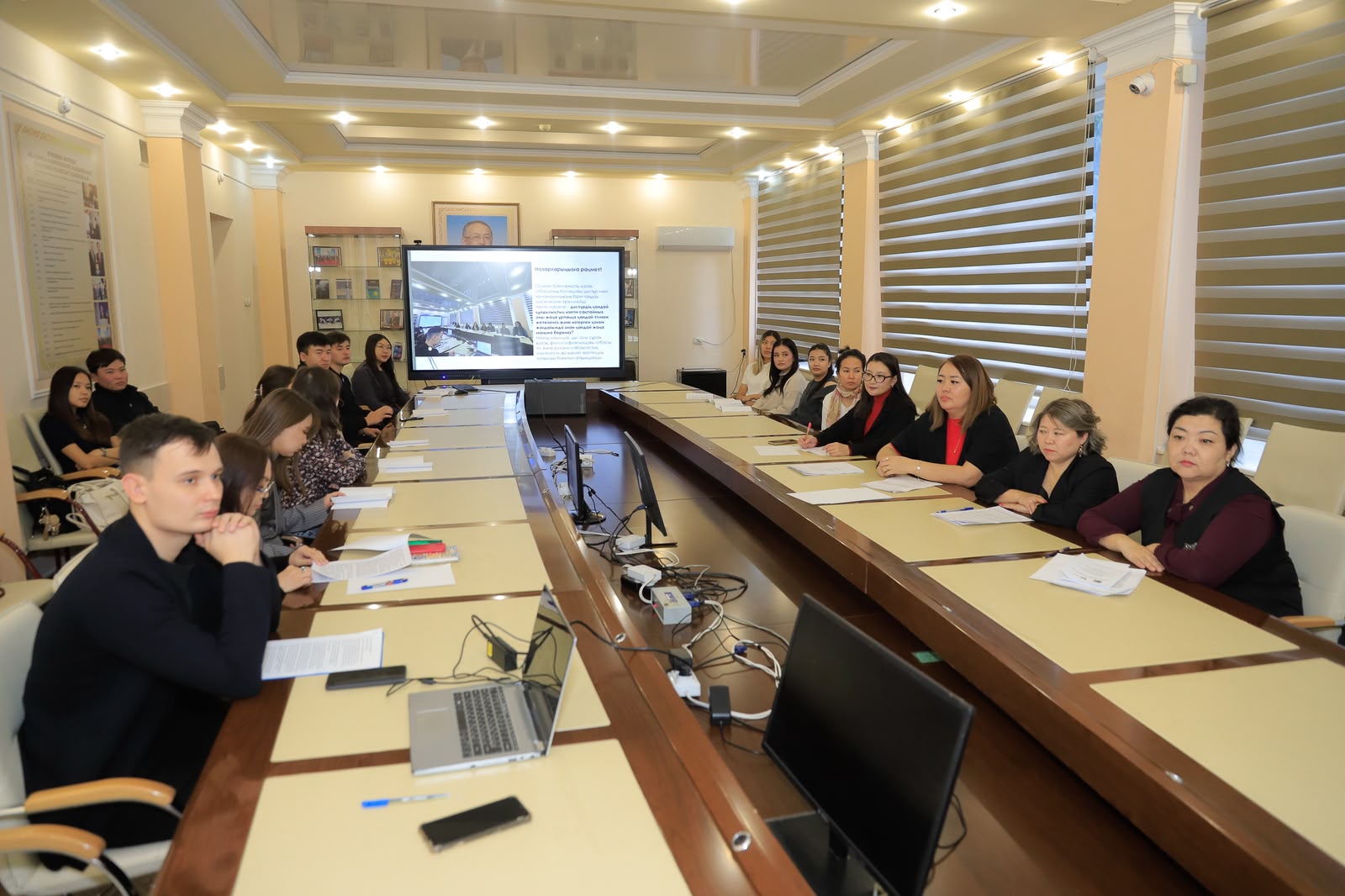
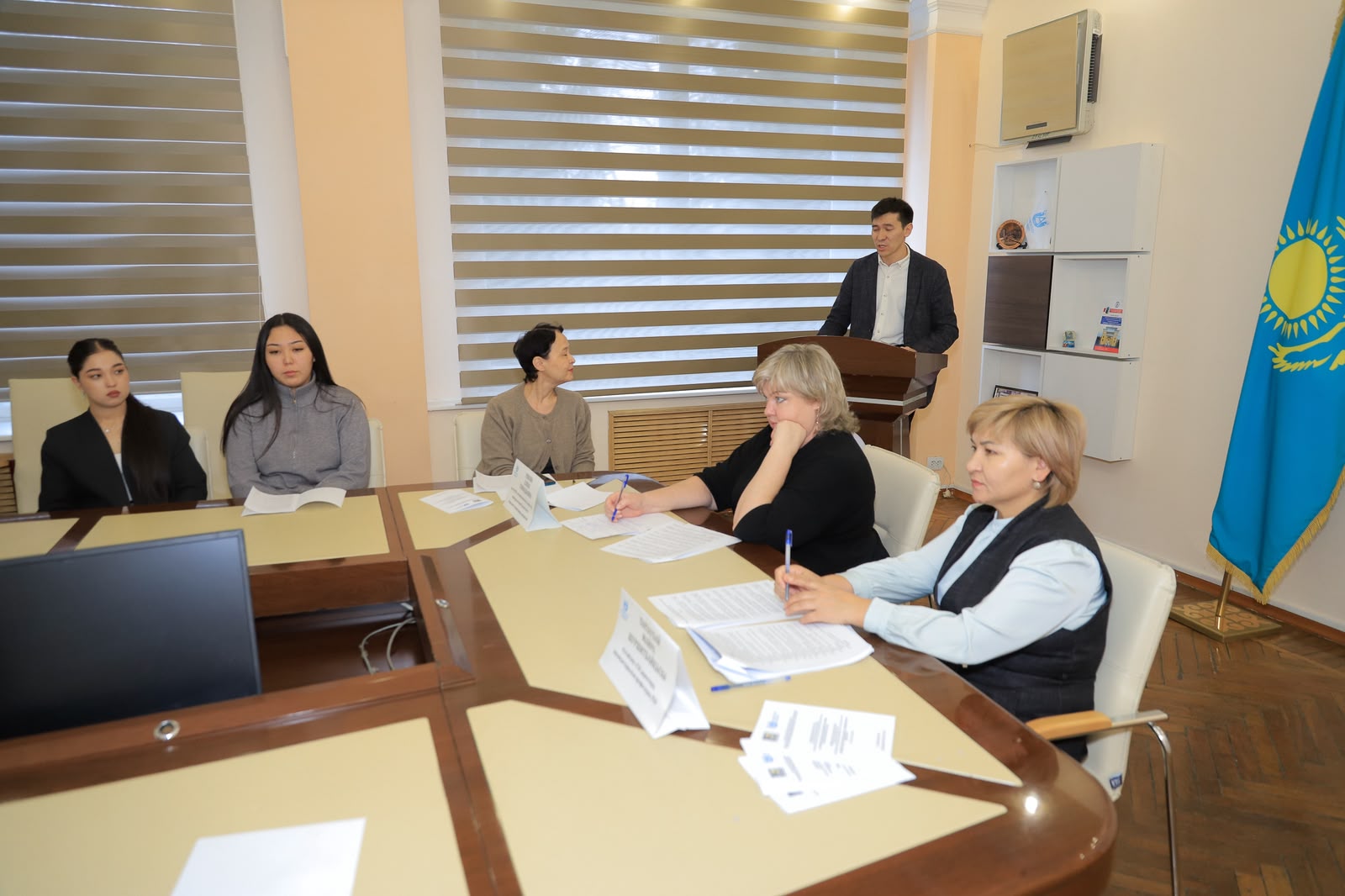
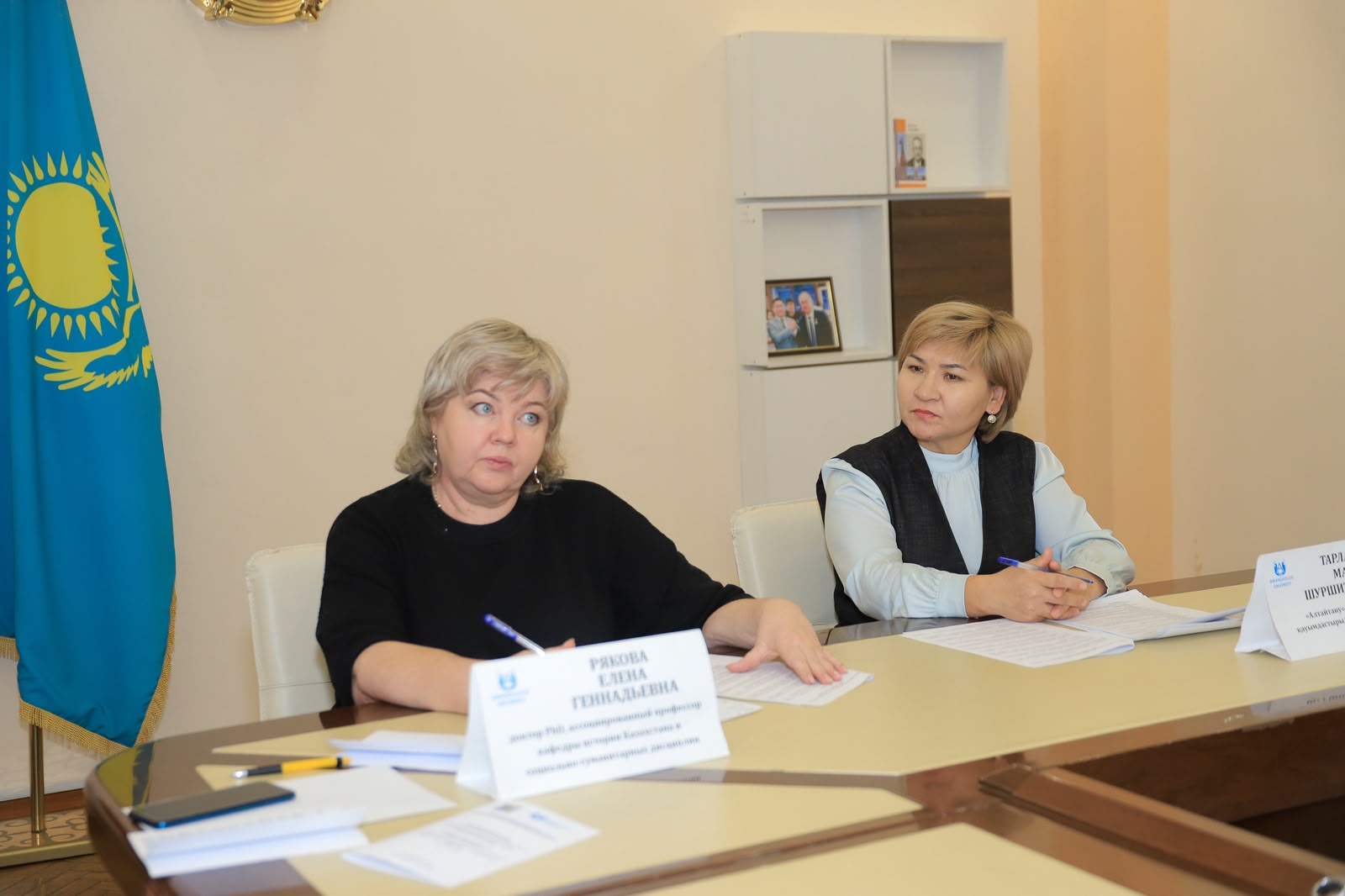
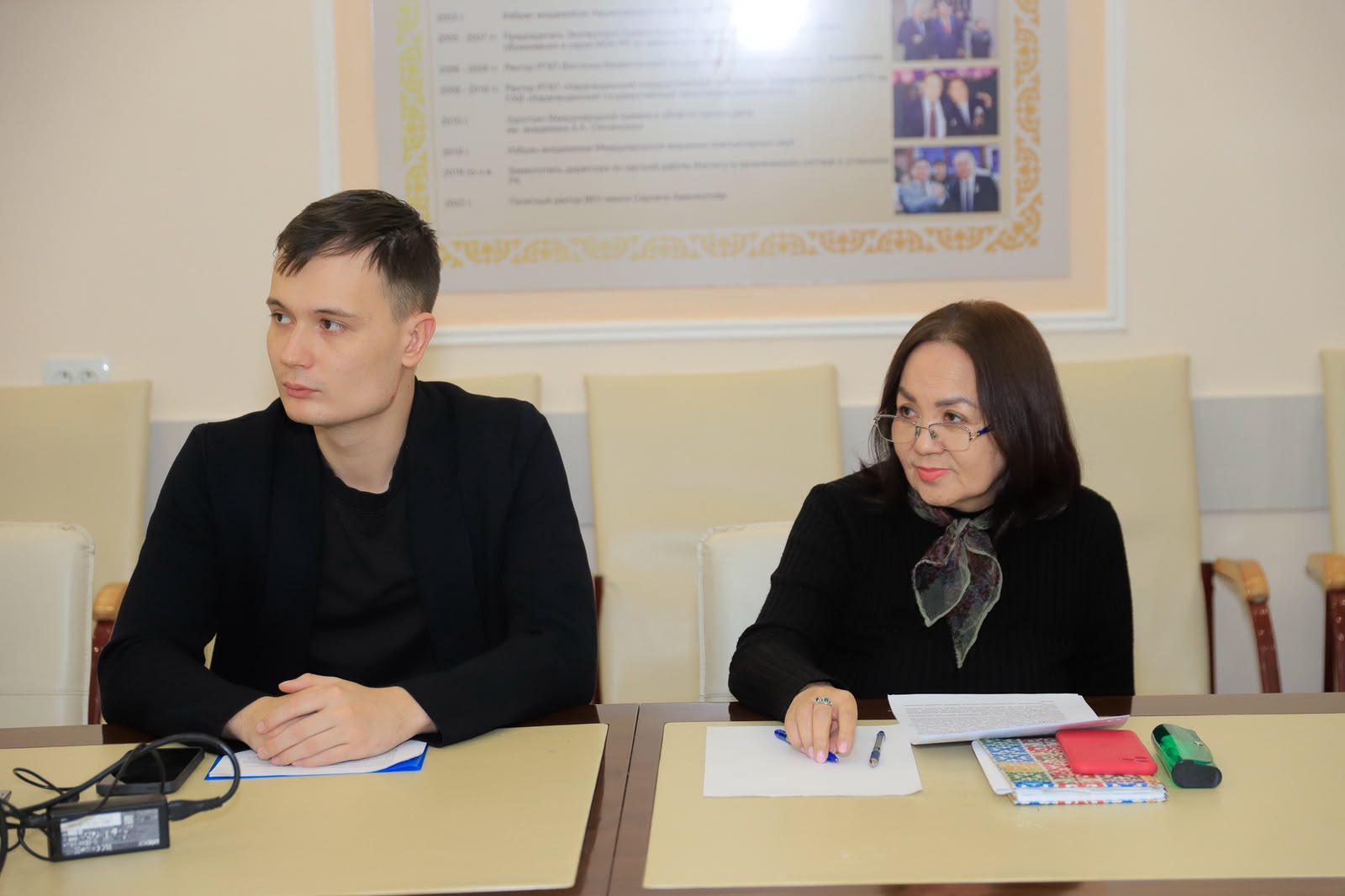
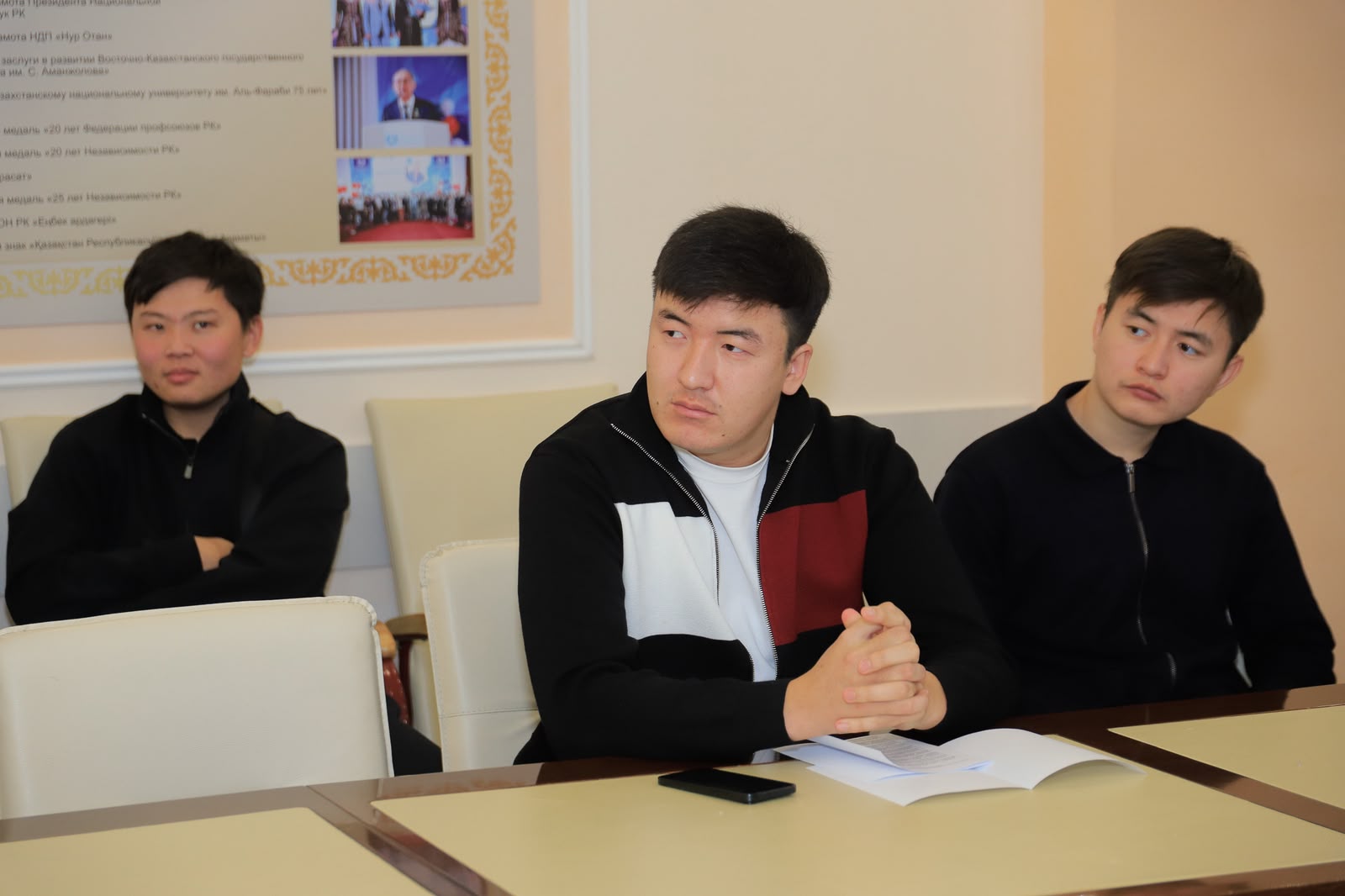
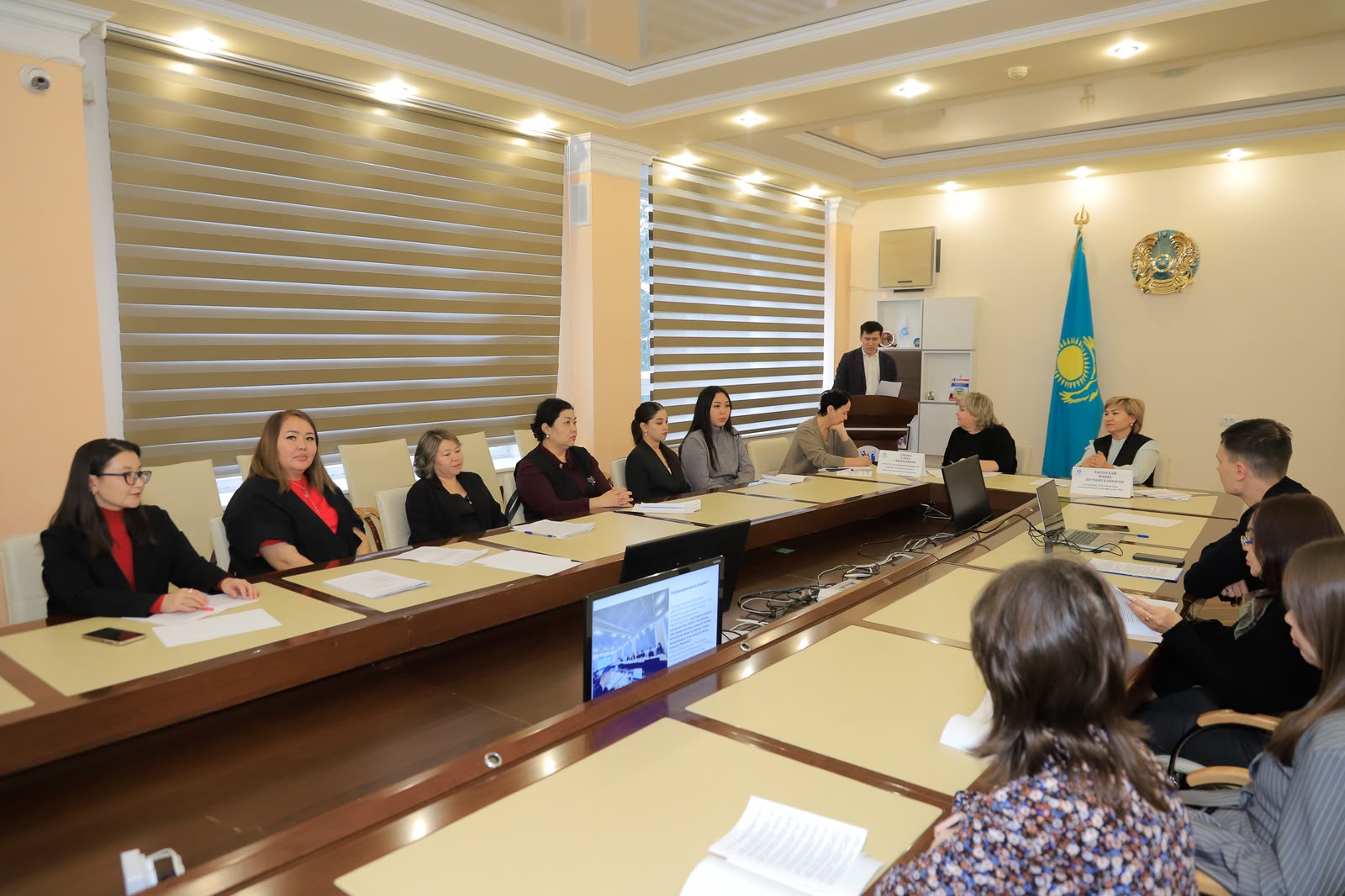
An important part of the scientific program was the young researchers’ round table “Self-Determination of the Modern Individual in the Cultural Space,” organized by the Kazakhstan Philosophical Congress, its Eastern Branch, and Sarsen Amanzholov East Kazakhstan University. The meeting was held in both offline and online formats, giving young researchers an opportunity to present their scientific ideas and discuss current issues related to the development of society and culture.
The round table was moderated by E.G. Ryakova, PhD, Associate Professor, and M.Sh. Tarlaubay, PhD, Associate Professor. Ayazhan Sagikyzy, President of the Kazakhstan Philosophical Congress, Doctor of Philosophical Sciences and Professor, delivered welcoming remarks. She emphasized the importance of philosophical knowledge for understanding contemporary social processes, as well as the need to support young researchers and develop scientific dialogue.
The discussions focused on national identity, continuity of spiritual values, the influence of digital technologies on human existence, and the ethical dimensions of artificial intelligence. Particular attention was given to preserving cultural heritage and identifying value-based orientations amid rapid social change.
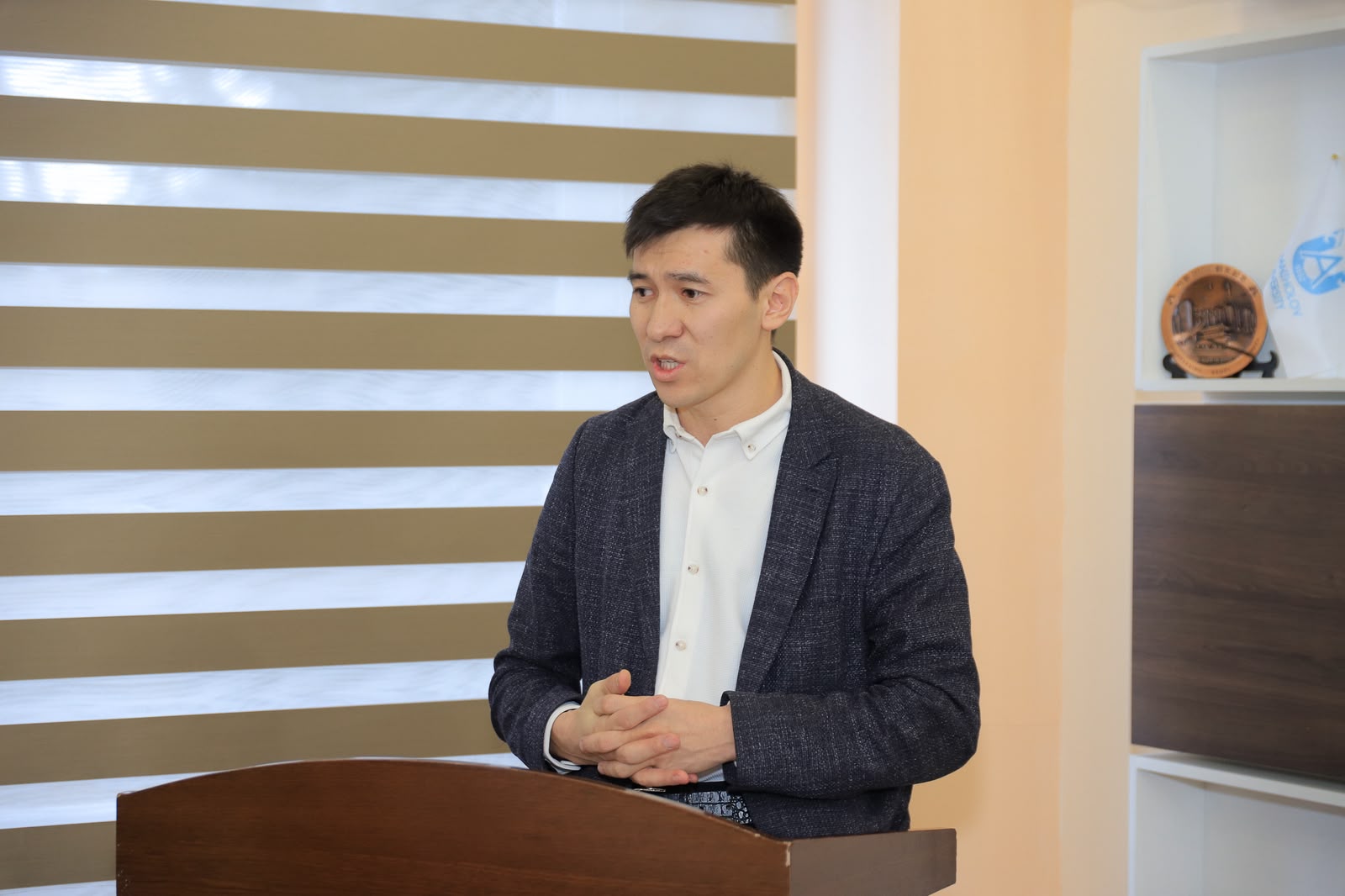
Doctoral students of the Philosophy educational program Symbat Beisenova, Akerke Ospanbayeva, Fariza Kenzhebekova, Balkhan Kurmetova, Aigerim Seisenova, Yersultan Kenesbekov, Leila Baizhumanova, and Artem Dmitriev delivered scientific presentations. Their research covered a wide range of topics, including national identity and the role of the native language, creativity in human life, the ethics of artificial intelligence and the digital environment, family and spiritual values, the heritage of Turkic civilization, environmental responsibility, and the philosophy of language.
The presentations generated active discussion. Participants exchanged views on the importance of the native language and historical memory in shaping national identity, human moral responsibility in the use of artificial intelligence, and the role of family traditions and cultural heritage in preserving spiritual continuity. Particular attention was also paid to environmental responsibility and the relationship between national and universal human values in the context of globalization.
Another platform for scientific dialogue was the online session of the Kazakhstan Philosophical Congress entitled “Dialectics in History and Today: Challenges in Applying Intellectual Experience and Projections of the Future.” The session was moderated by N.V. Guseva, Doctor of Philosophical Sciences and Professor; E.G. Ryakova, PhD and Associate Professor; and E.V. Savchuk, Master of Philosophy and Senior Lecturer.
During the session, participants examined the history of dialectical thought, its methodological foundations, and the possibilities of applying the dialectical approach to the analysis of contemporary social processes. The discussion also addressed the philosophical understanding of the future and the significance of accumulated intellectual experience for interpreting ongoing changes.
The participation of Amanzholov University representatives in the Congress and in organizing scientific meetings made an important contribution to the development of the philosophical community, the strengthening of academic ties, and the support of young researchers. Such initiatives create a space for open exchange of ideas, help reflect on current challenges of modern society, and lay the foundation for the further development of philosophical scholarship.