18 November 2026
CHILD SAFETY IN THE SPOTLIGHT OF PSYCHOLOGISTS
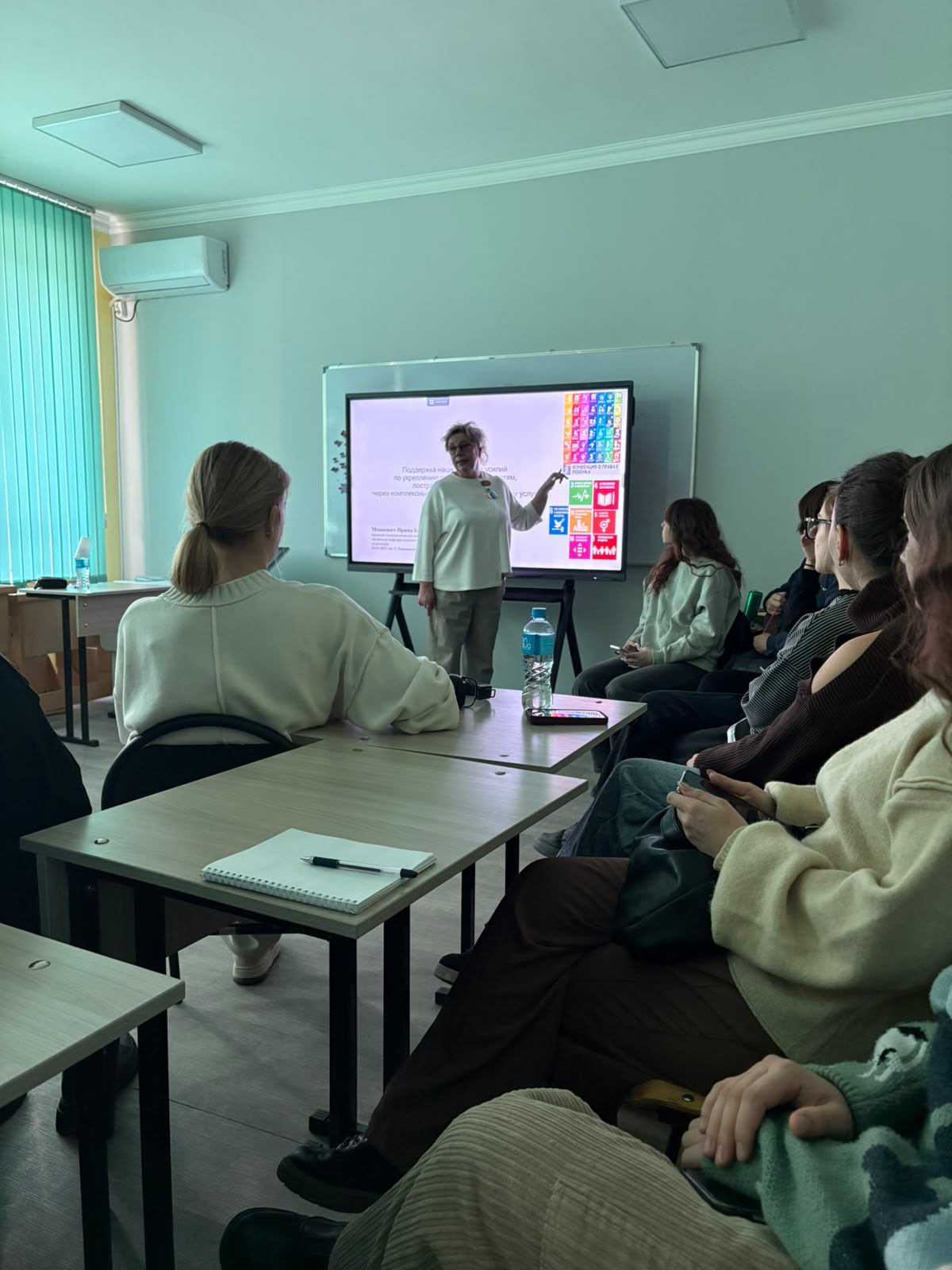
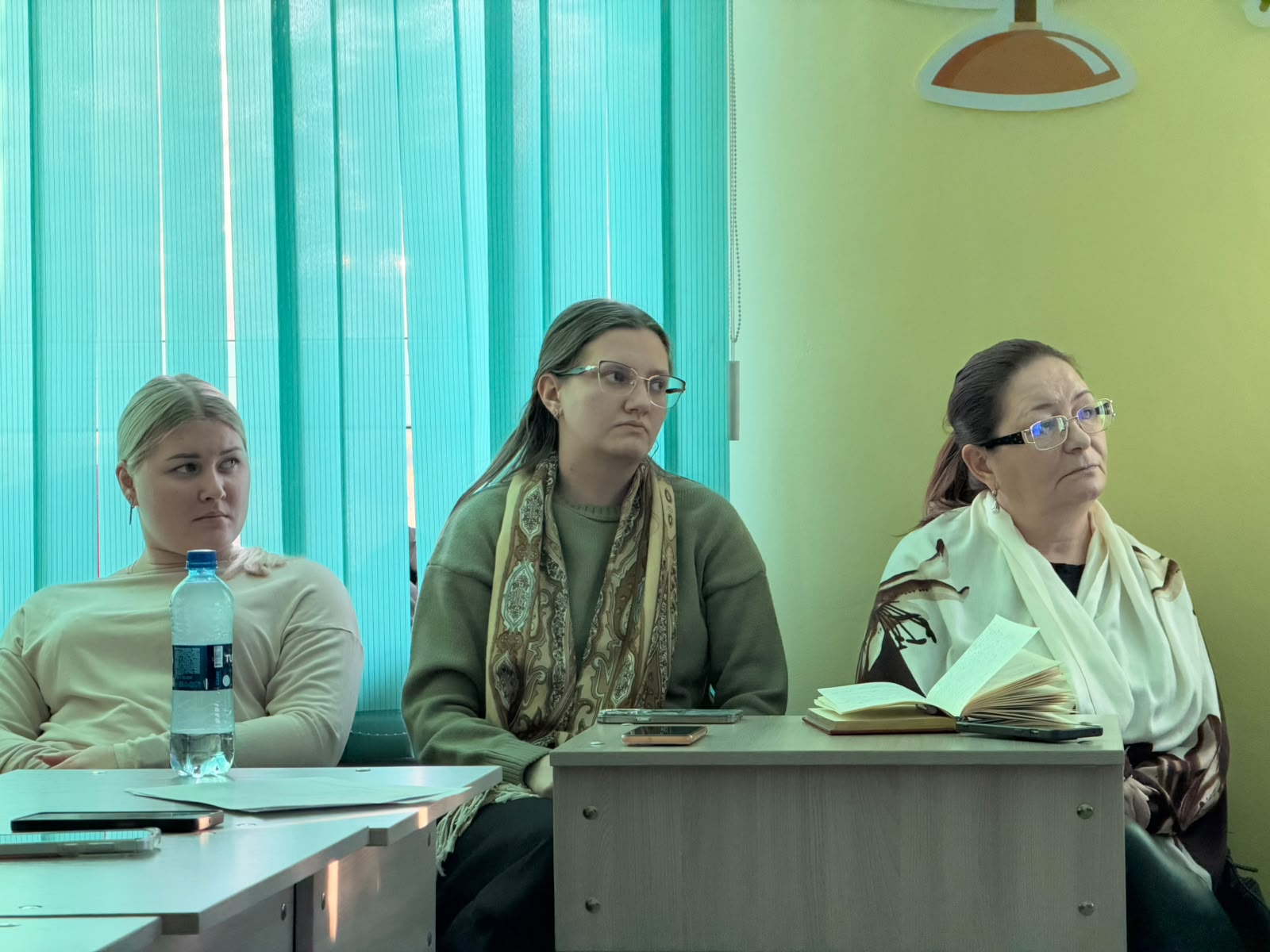
As part of the “Special Clinical and Psychological November” decade, Sarsen Amanzholov East Kazakhstan University held a thematic master class dedicated to the prevention of violence against children. The meeting was organized in connection with the 35th anniversary of the Psychology educational program and World Day for the Prevention of Child Abuse.
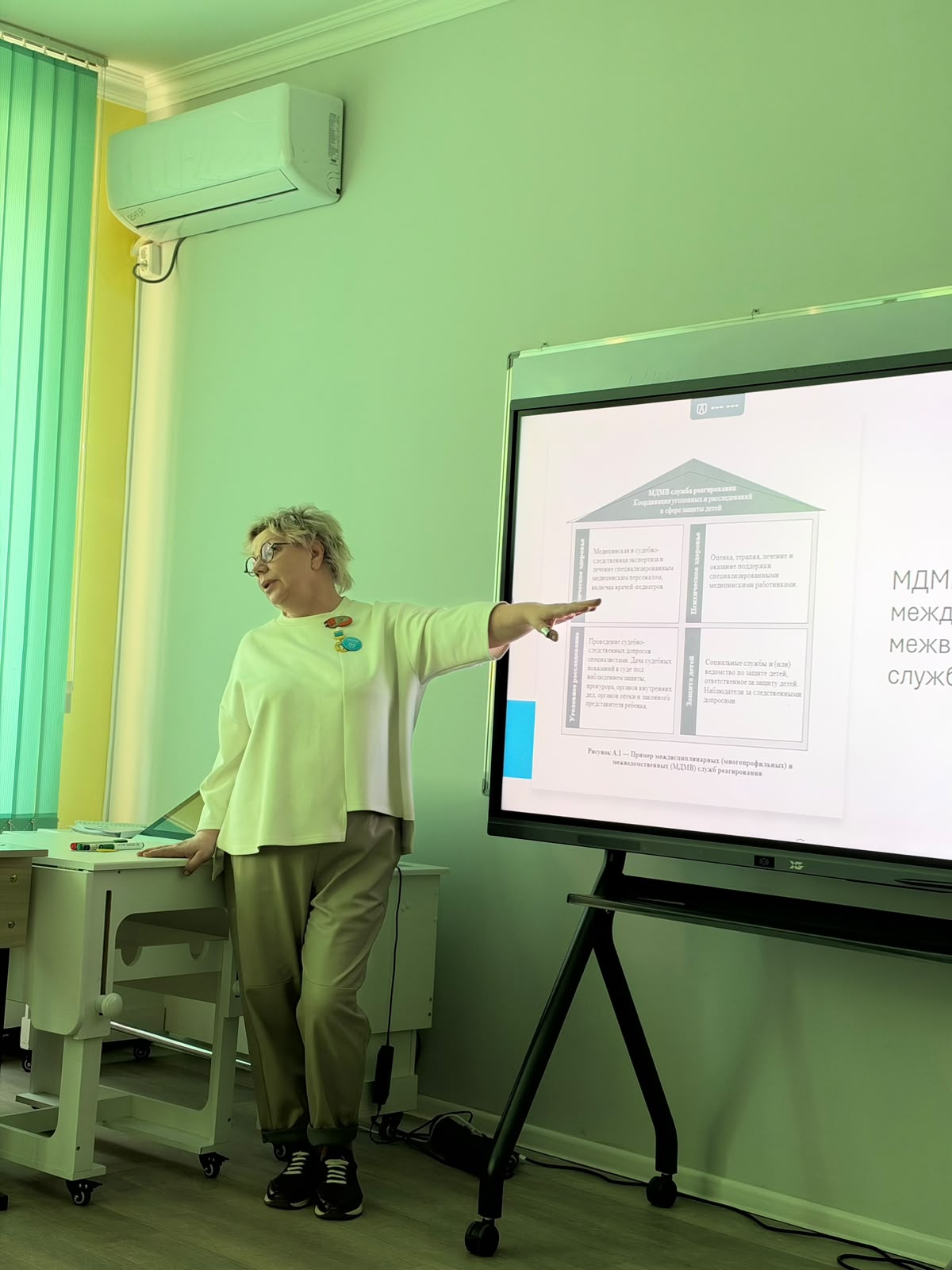
The master class was conducted by Irina Konstantinovna Matskevich, Professor at the Department of Psychology and Correctional Pedagogy.
World Day for the Prevention of Child Abuse is observed annually on November 19. This international initiative was established in 2000 by the Women’s World Summit Foundation. Its main purpose is to raise public awareness of child abuse, protect children’s rights, and strengthen systems for preventing violence.
The safety and well-being of children are a shared responsibility of adults. Violence may take the form of physical or psychological pressure, sexual abuse, or neglect of a child’s basic needs. Such experiences can negatively affect a child’s emotional state, personal development, relationships with others, and overall psychological well-being.
This topic is particularly important for future psychologists. In their professional work, they will interact directly with children, parents, and teachers and may encounter complex family situations. For this reason, it is important to develop students’ skills in recognizing signs of violence, assessing a child’s psychological condition, and responding appropriately in such circumstances during their professional training.
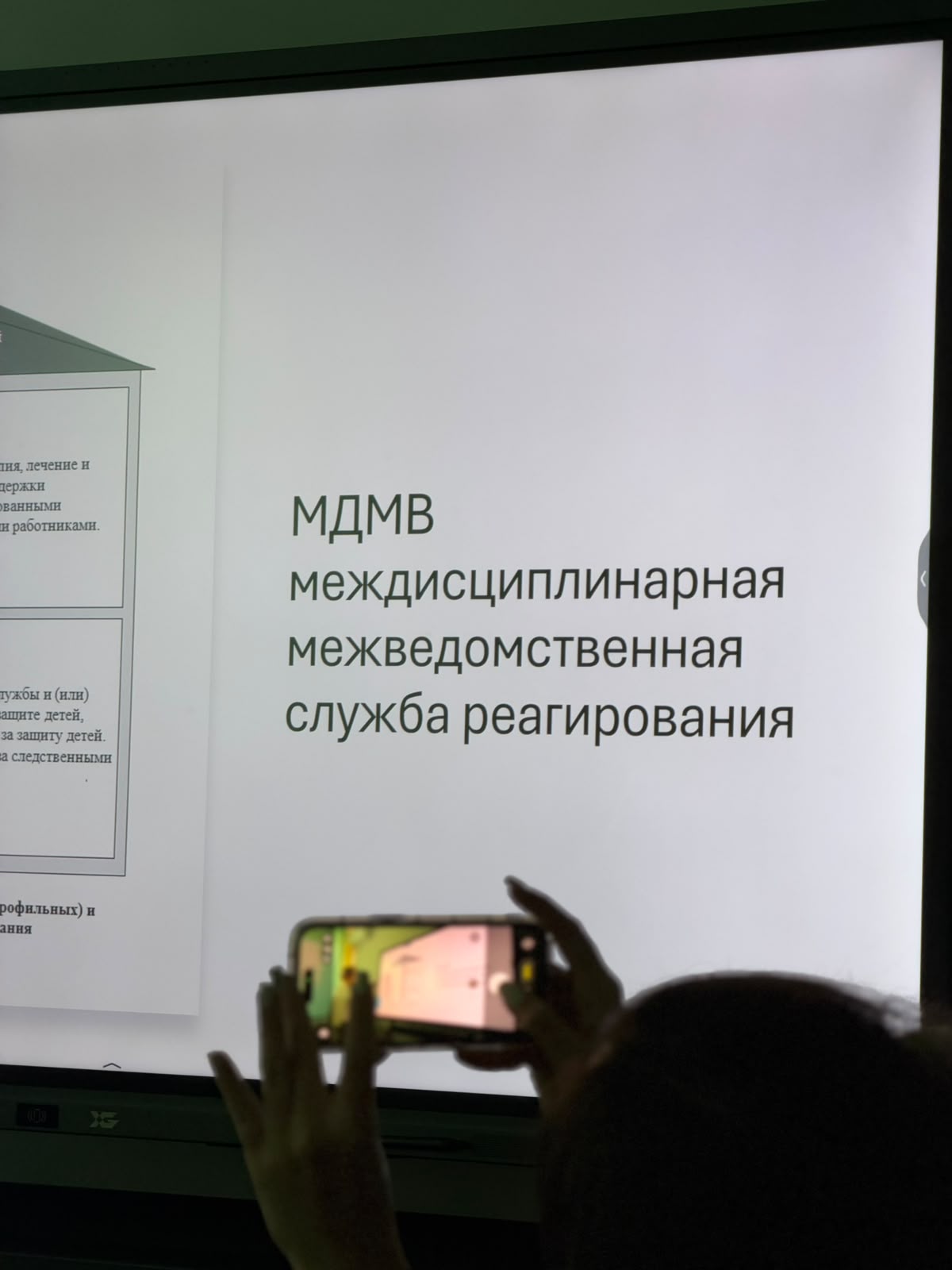
The master class also addressed professional ethics, the importance of respecting the limits of a specialist’s competence, preventing repeated psychological trauma to the child, and cooperating with other professionals working in the field of child protection.
The thematic meeting helped future psychologists gain a deeper understanding of the importance of preventive work, explore approaches to creating safe educational and family environments, and consider the professional responsibility of specialists working with children in difficult life circumstances.
For a modern psychologist, it is important not only to provide support after a problem has occurred, but also to take an active role in preventing situations that may threaten a child’s psychological well-being.
Such thematic meetings held as part of the “Special Clinical and Psychological November” decade are aimed at connecting students’ theoretical knowledge with current social and professional issues.
Protecting children begins with respecting the dignity of every child, paying close attention to their needs, and responding promptly when they require support.