7 October 2026
CASE SESSION MARKING WORLD CEREBRAL PALSY DAY AND THE DAY OF PERSONS WITH DISABILITIES HELD AT AMANZHOLOV UNIVERSITY
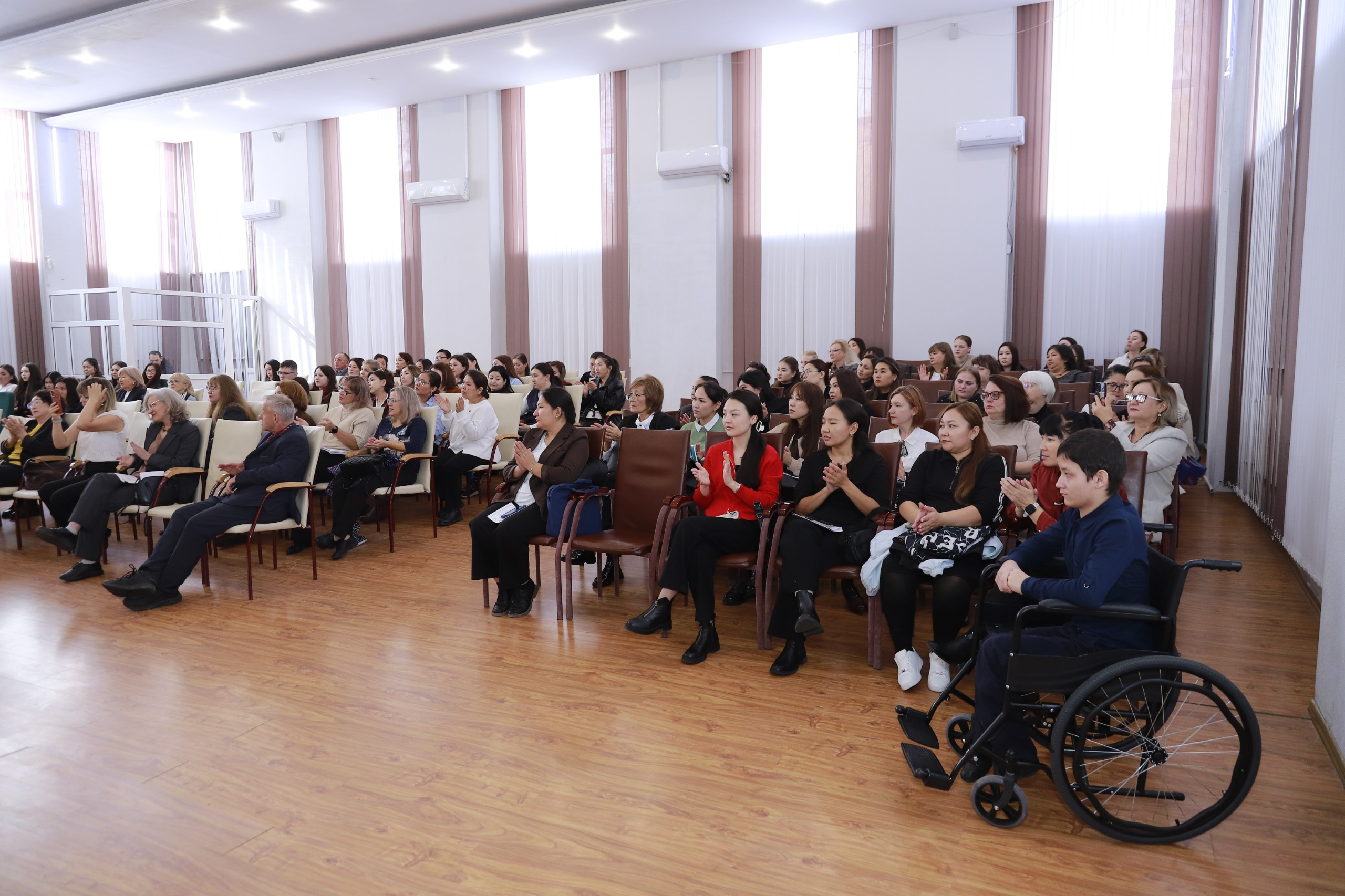
Amanzholov University hosted an expert case session with elements of a practical intensive, dedicated to World Cerebral Palsy Day and the Day of Persons with Disabilities in the Republic of Kazakhstan.
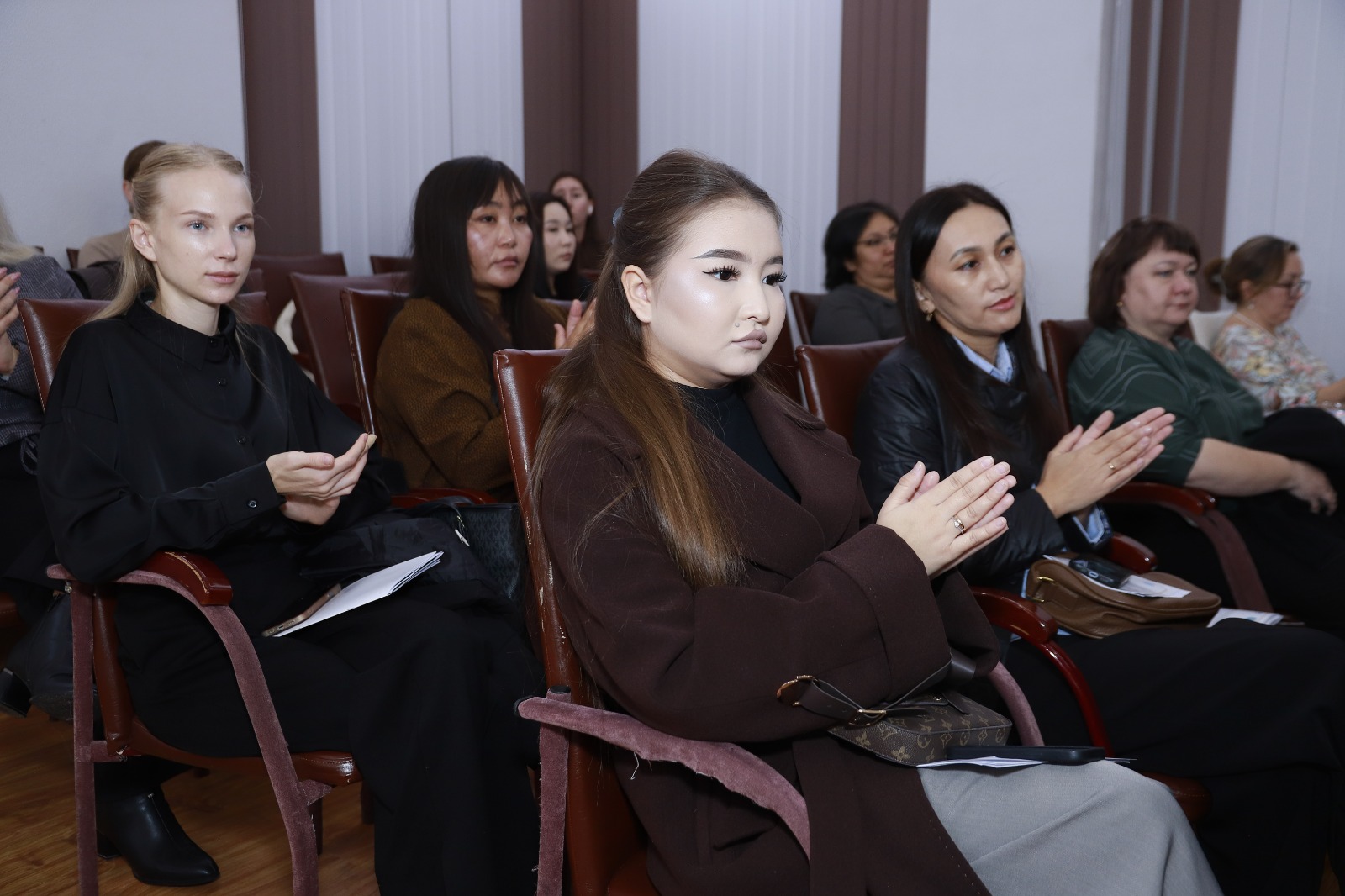
The event was held with the support of the Regional Psychological, Medical and Pedagogical Consultation of the East Kazakhstan Regional Department of Education and the Ust-Kamenogorsk City Department of Education. It brought together doctors, teachers, special education specialists, speech therapists, psychologists, specialists in therapeutic and adaptive physical education, students, and representatives of the education system.
The central question of the session was how to move from a medical diagnosis to specific psychological and pedagogical solutions that help children with cerebral palsy develop their abilities and participate fully in the educational process.
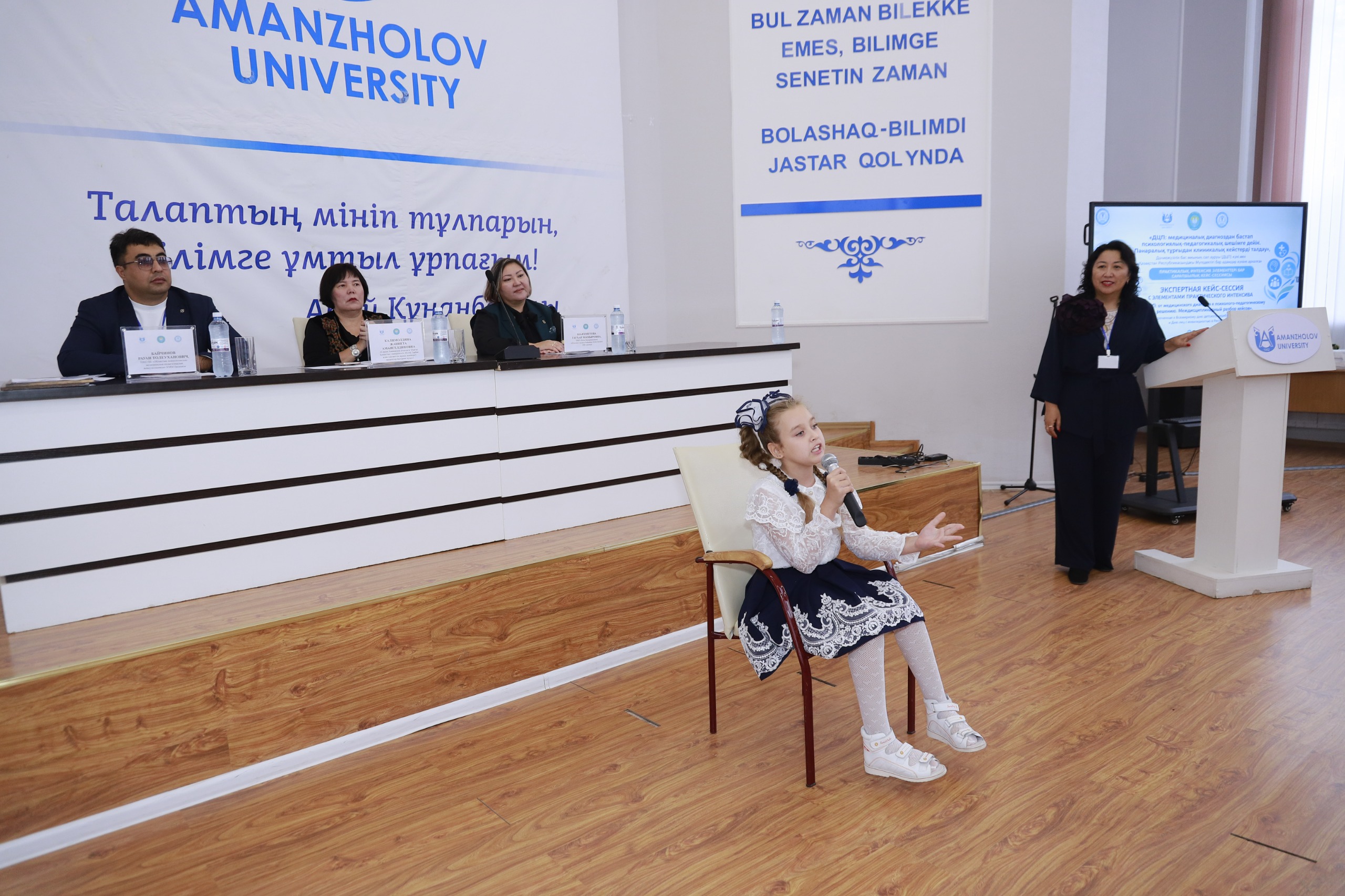
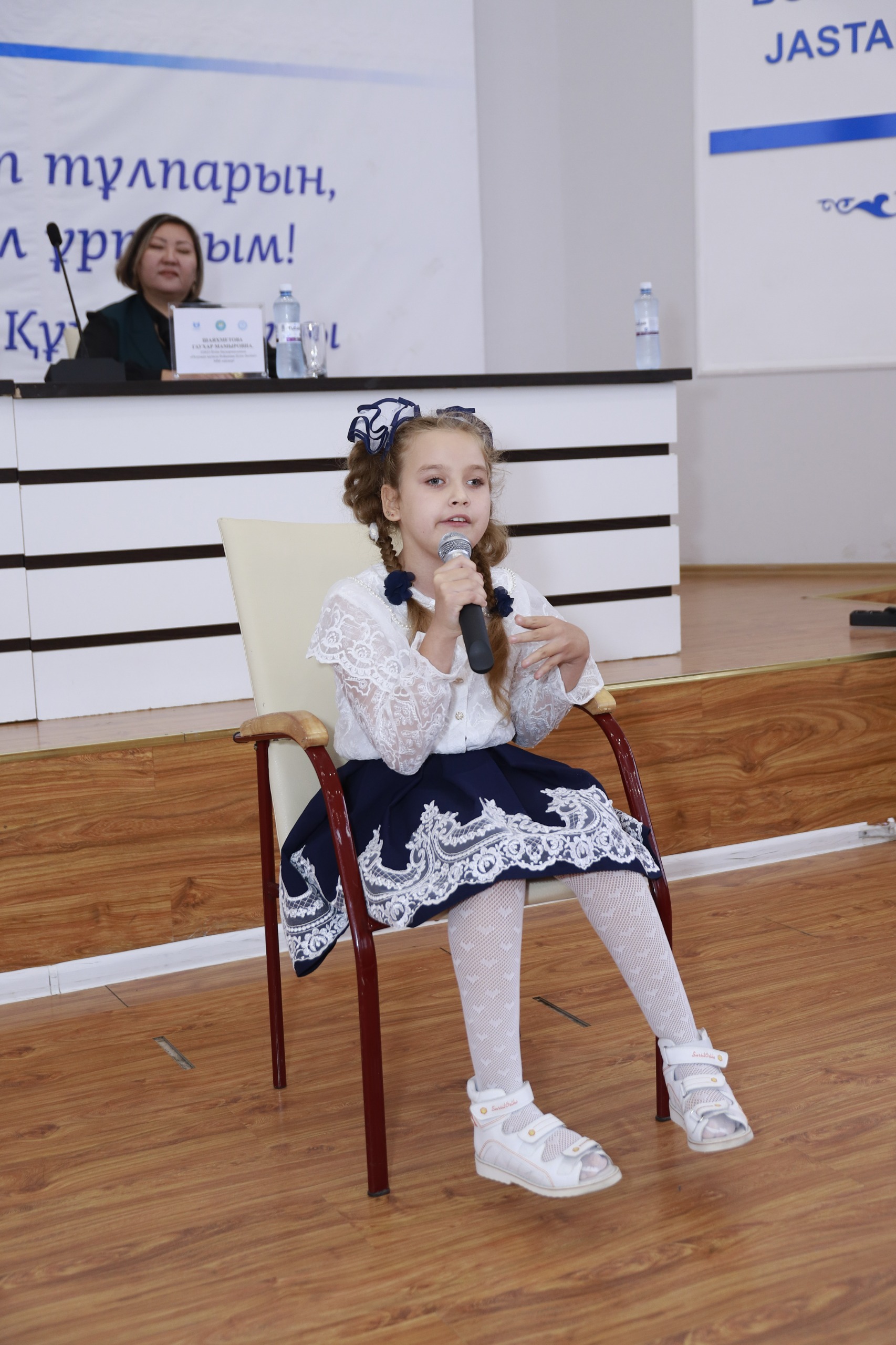
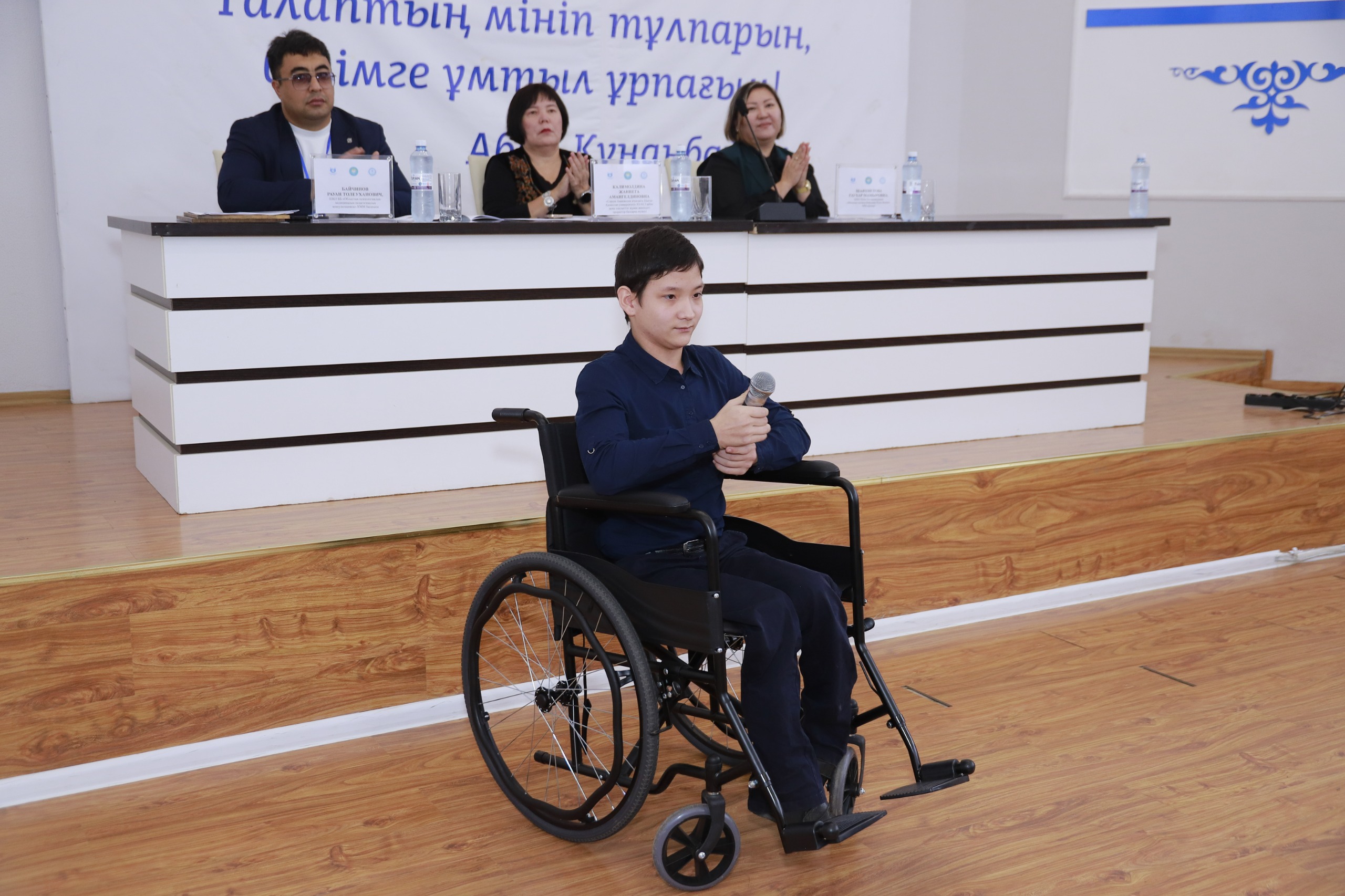
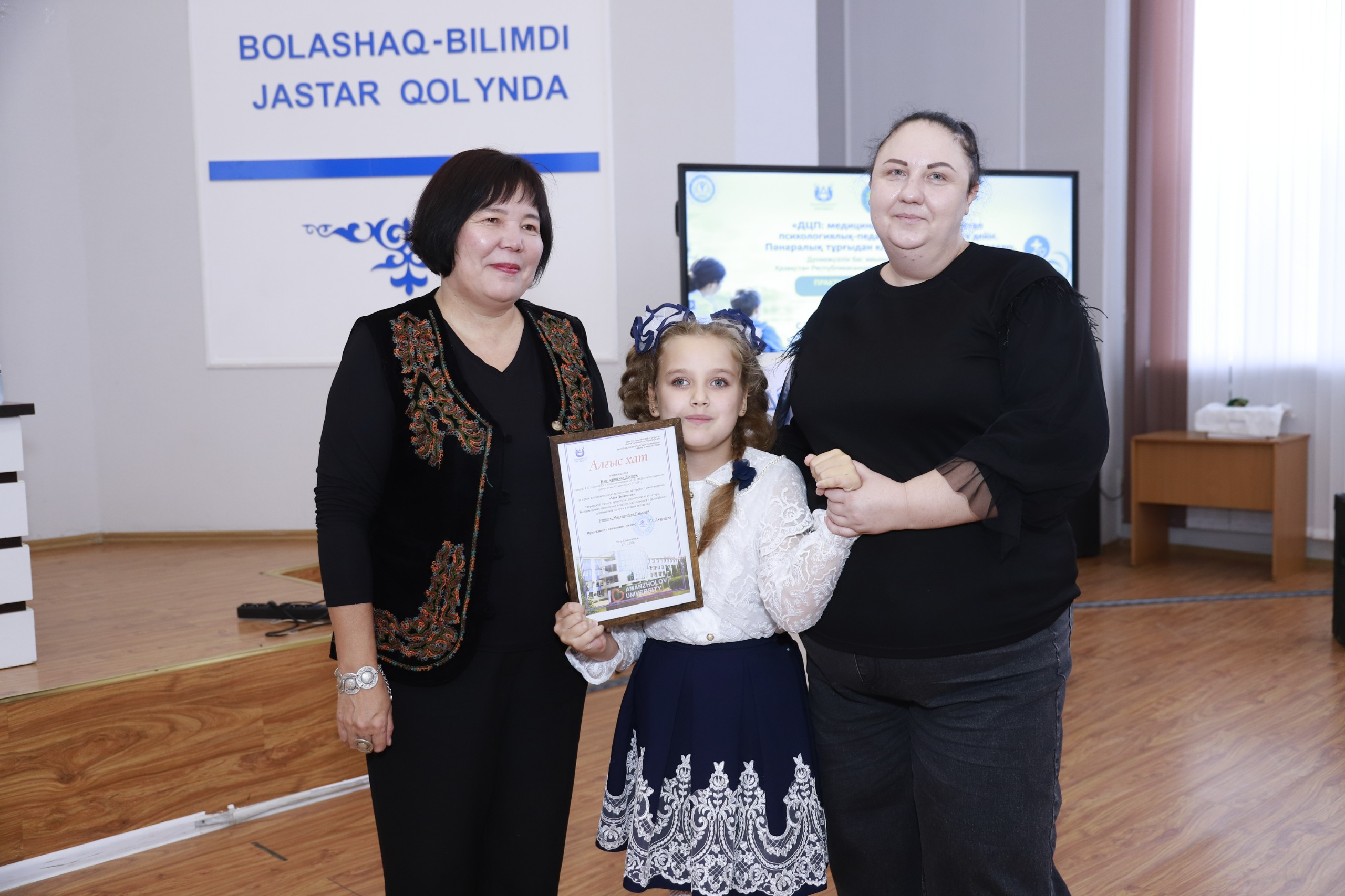
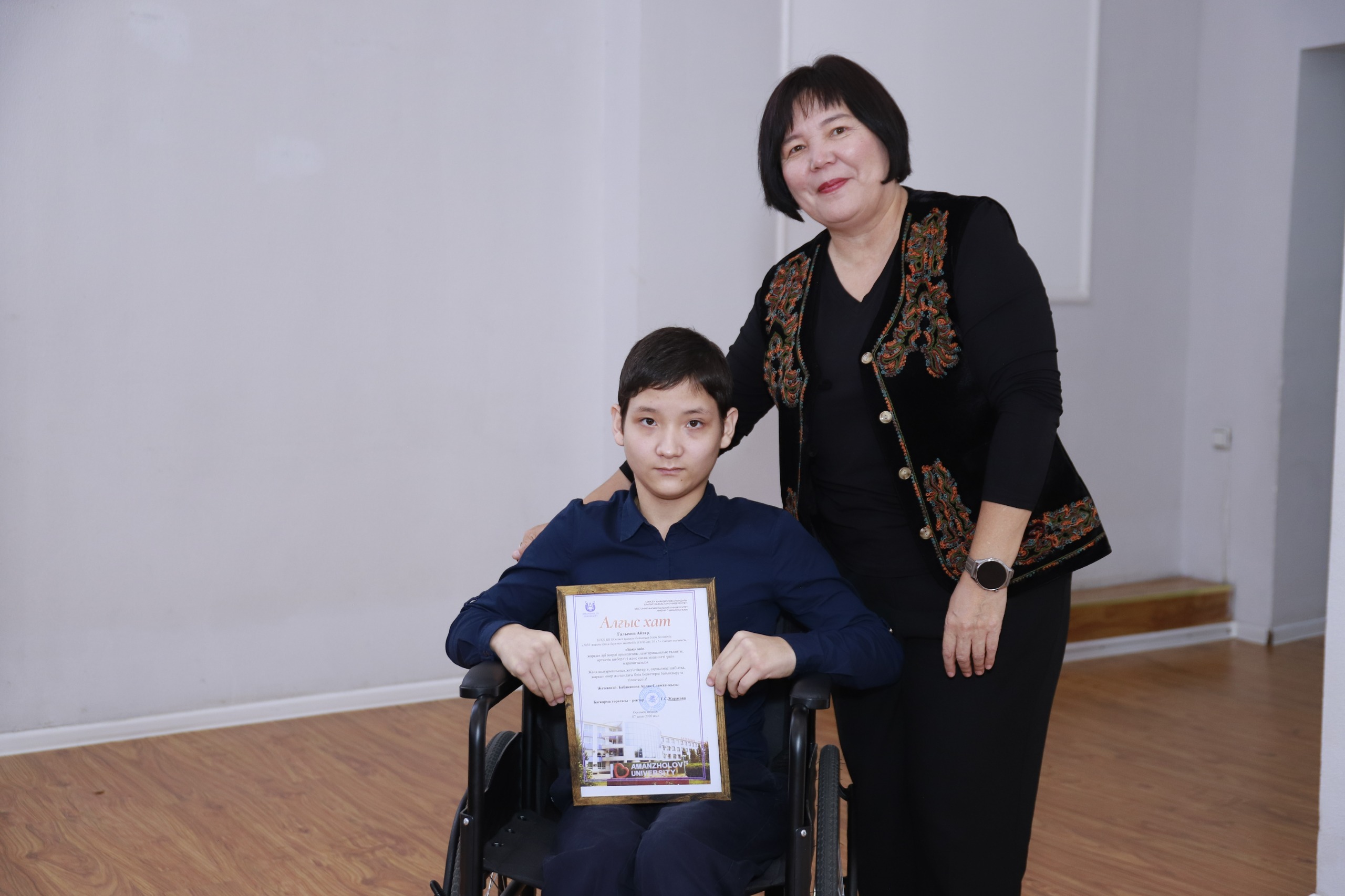
The meeting opened with performances by young participants. Aizar Galymov, a Grade 10B student at General Education School No. 50, performed the song “Baq,” while Yeseniya Kantalinskaya, a Grade 4G student at School-Gymnasium No. 10, presented her original poem “My Number Ten.” Their creative performances created a special atmosphere and became a vivid reminder that every child should have an opportunity to demonstrate their abilities, be heard, and feel included in a shared environment.
The expert section brought together specialists from different professional fields: neurologist Altyn Chynybayeva; Rauan Baichinov, Head of the Regional Psychological, Medical and Pedagogical Consultation; Yulia Sharshova, speech therapist at the Wonderland Special School-Kindergarten; Akzhol Mamyrbekov, instructor in adaptive and therapeutic physical education at Aq Niet Boarding School; teachers Vera Molyavko from School-Gymnasium No. 10 and Yulia Zubareva from School-Gymnasium No. 12; and Yana Tkhorzhevskaya, lecturer at Amanzholov University.
Participants discussed approaches to supporting children with cerebral palsy from the perspectives of medicine, pedagogy, special education, speech therapy, psychology, and physical rehabilitation. Particular emphasis was placed on interdisciplinary cooperation and the need to bring professional expertise together around the individual needs of each child.
The case laboratory conducted by Alima Altipova and Gaukhar Shayakhmetova attracted particular interest. Participants worked with real-life educational situations, including “He Understands Everything but Cannot Keep Up,” “Can He Study in a Mainstream Classroom?”, “He Knows the Answer but Does Not Have Time to Write It Down,” “From Difficulty to Action,” and “One Child – One Team of Specialists.”
Working in groups, participants analyzed the cases, proposed possible solutions, received expert feedback, and developed a coordinated strategy for supporting the child. This practical format made it possible not only to discuss existing challenges but also to translate professional knowledge into specific actions that teachers can apply in educational practice.
The event also featured an exhibition of assistive rehabilitation devices for children with cerebral palsy developed by University researchers as part of a commercialization project led by Dossym Yerbolatuly. The presented developments demonstrated how scientific solutions and modern technologies can be combined with the practical needs of children and professionals.
The expert case session became a platform for open professional dialogue and the exchange of experience. It once again demonstrated that effective support for a child with cerebral palsy cannot be based on the perspective of only one profession. Doctors, teachers, special education specialists, speech therapists, psychologists, physical rehabilitation specialists, and other professionals may see different aspects of the same situation, but their efforts must be united by a common goal.
One child – different professional perspectives – one coordinated support strategy.
Amanzholov University supports the development of inclusive education, interdisciplinary cooperation, and practice-oriented initiatives aimed at creating an accessible educational environment and expanding opportunities for children with special educational needs.
The University continues to create a space for professional dialogue, exchange of experience, and the search for solutions that make education more accessible, supportive, and focused on the abilities of every child.