14 October 2026
REPUBLICAN SCIENTIFIC AND METHODOLOGICAL WEBINAR ON DENDROCHRONOLOGICAL MONITORING OF URBAN ECOSYSTEMS
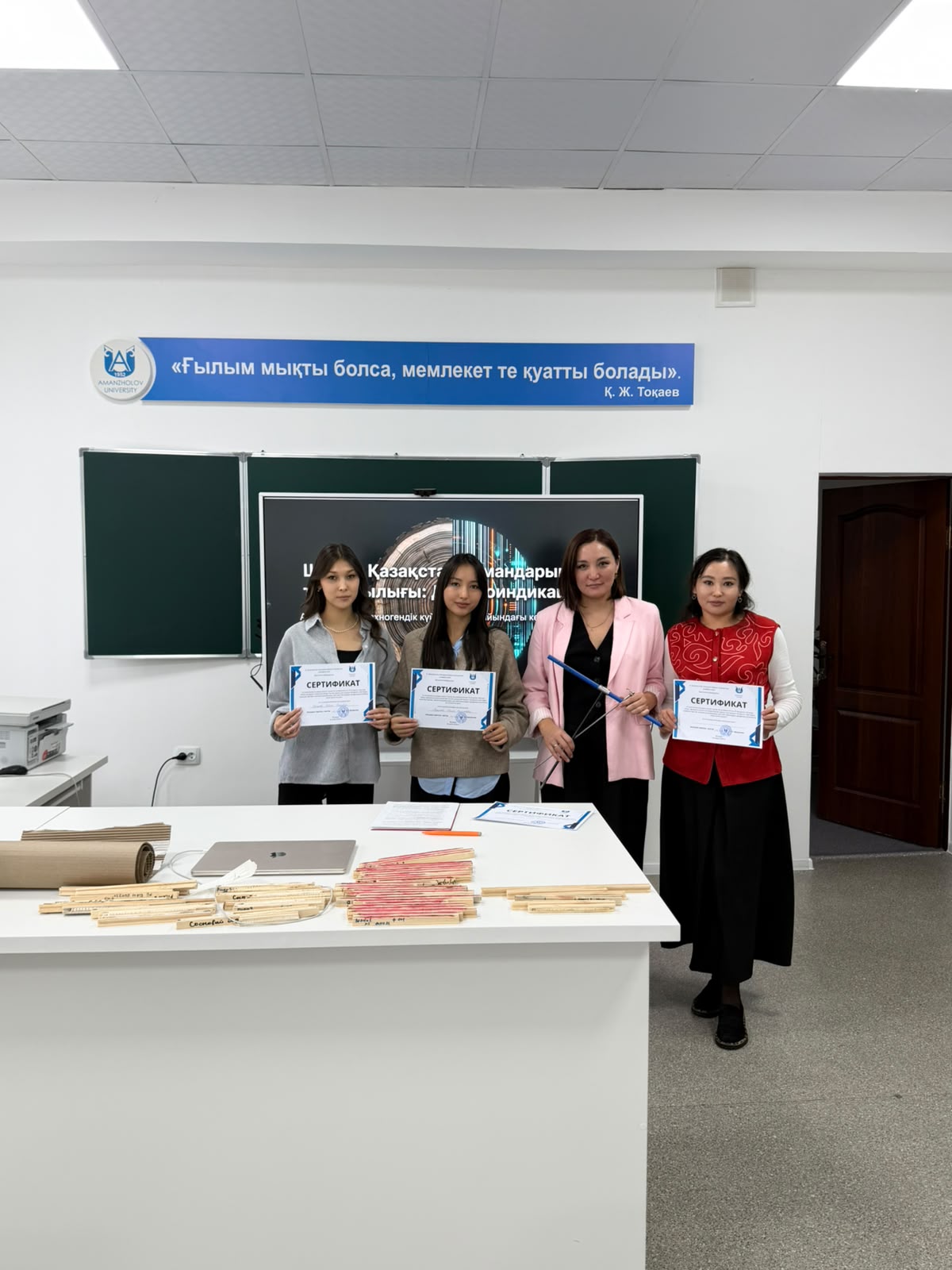
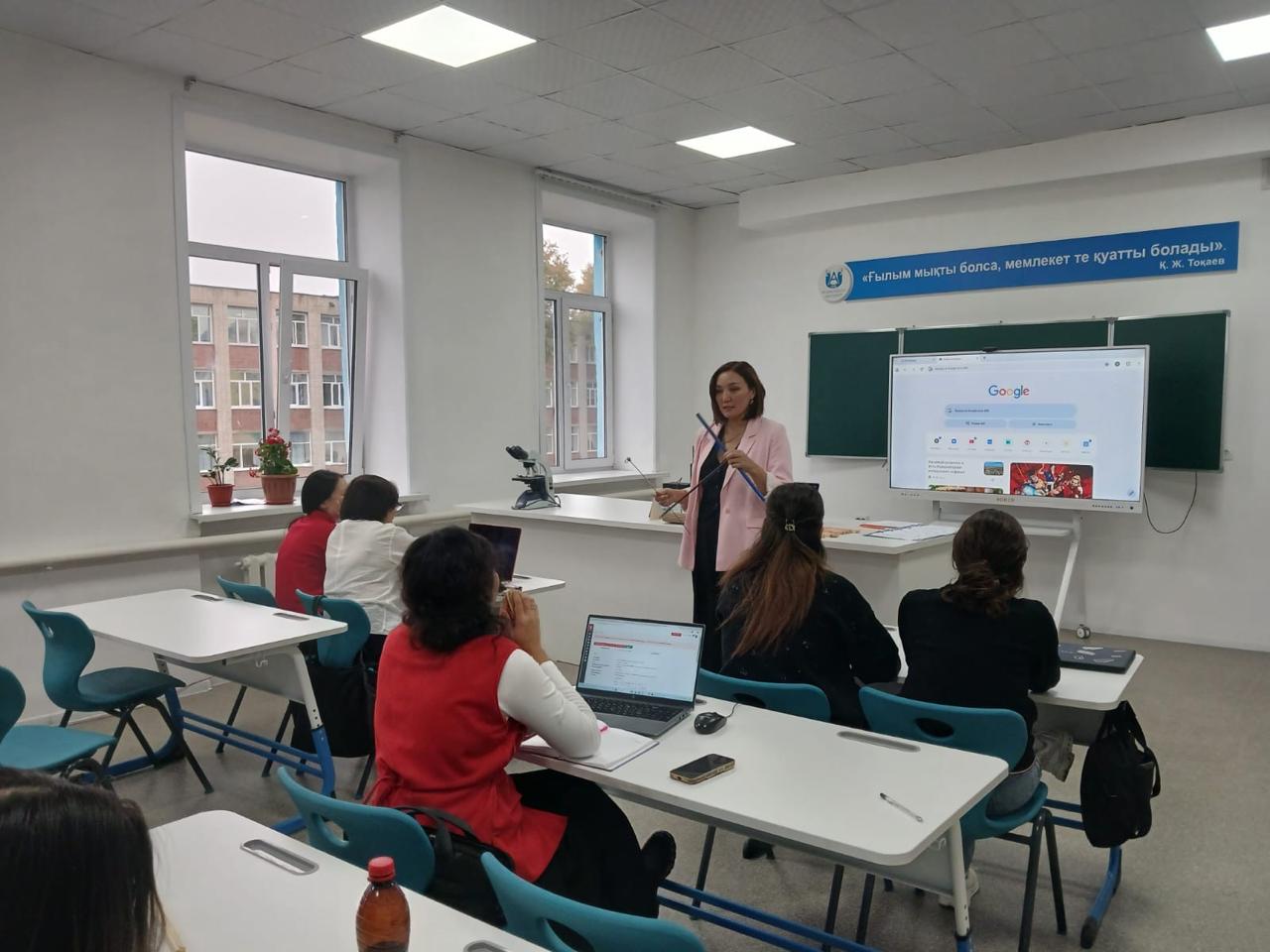
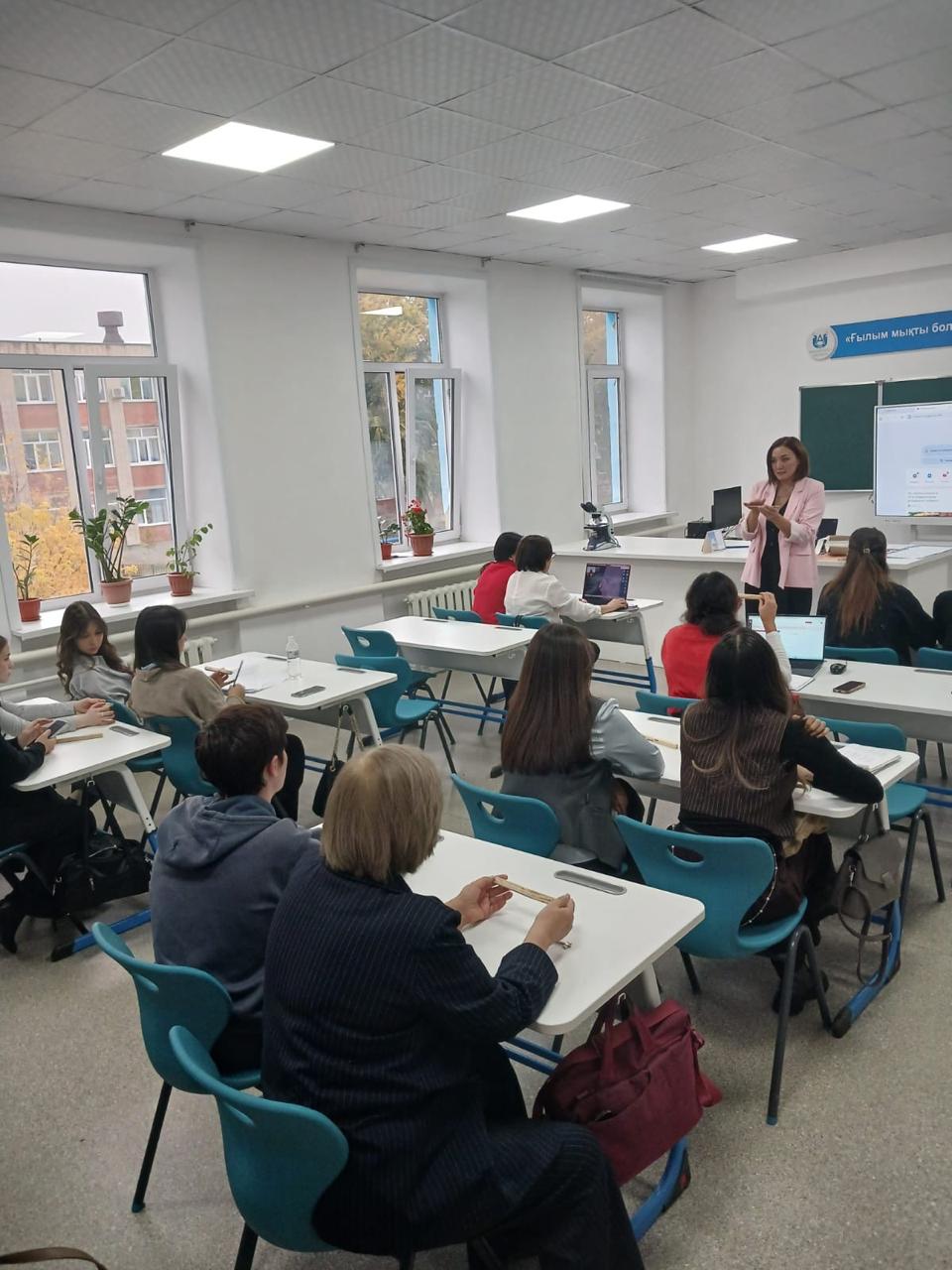
Sarsen Amanzholov East Kazakhstan University held a Republican Scientific and Methodological Webinar entitled “Modern Methods for Studying the Resistance of Tree Species to Climate Change and Air Pollution: The Role of Dendrochronological Monitoring in Assessing the Condition of Urban Ecosystems.”
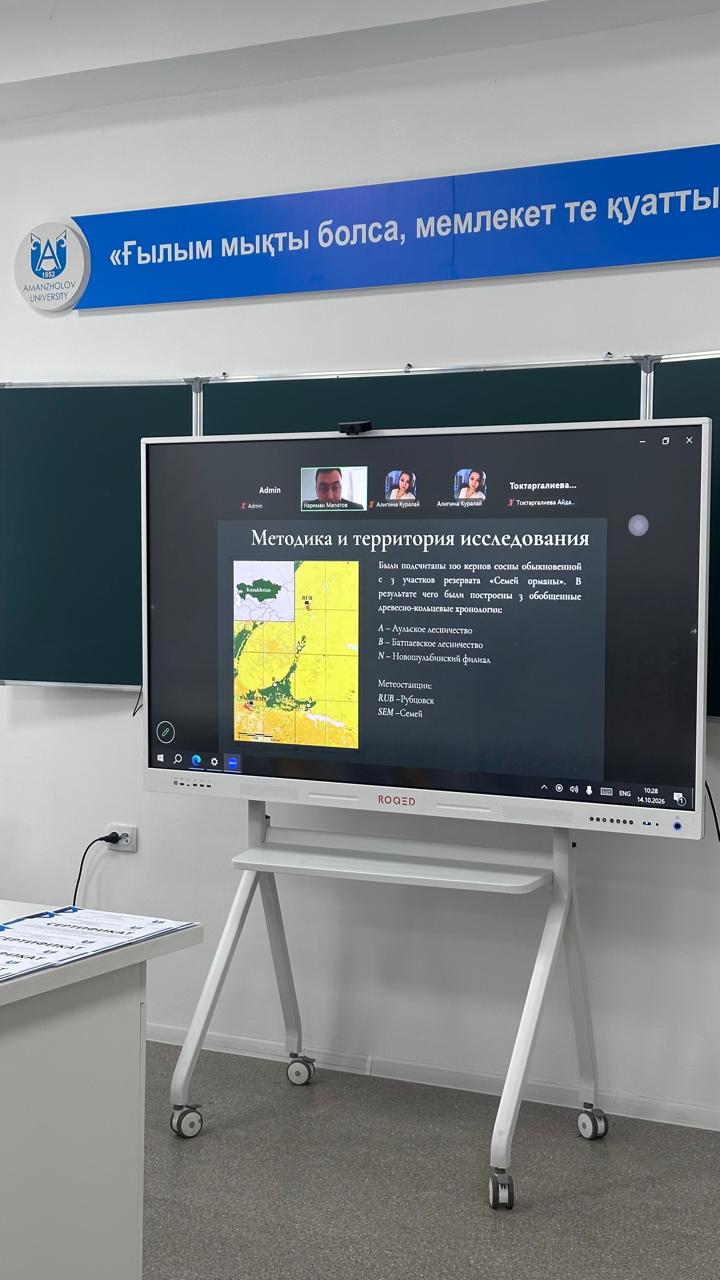
The event was held online via Zoom under the leadership of Kuralai Bauyrzhanovna Alipina, PhD, Associate Professor and Head of scientific project AP25794101. The webinar was organized within the framework of grant project AP25794101 of the Science Committee of the Ministry of Science and Higher Education of the Republic of Kazakhstan, “Study of the Impact of Technogenic Factors and Climate Change on Tree Species Growing in Industrial Regions of East Kazakhstan Using Dendroindication Methods.”
As moderator and keynote speaker, Kuralai Bauyrzhanovna Alipina presented research findings focused on a comprehensive assessment of the resistance of tree stands to technogenic pressure and arid climatic conditions in the industrial regions of East Kazakhstan. Particular attention was paid to modern dendrochronological research methods that make it possible to assess the condition of tree species, identify the impact of environmental factors on their growth and development, and determine the potential of dendroindication methods for monitoring urban ecosystems.
Leading Kazakhstani scientists and specialists in dendrochronology and plant ecology took part in the webinar. Among them were Nariman Beibutovich Mapitov, PhD, Associate Professor and Head of the Dendrochronology Laboratory at Toraighyrov University; Sholpan Beisembayevna Abilova, PhD, a researcher specializing in coniferous species of the forest-steppe zone and representative of Kokshetau State National Nature Park and Astana International University; and Aidana Raipovna Toktargaliyeva, doctoral student and Senior Lecturer at D. Serikbayev East Kazakhstan Technical University.
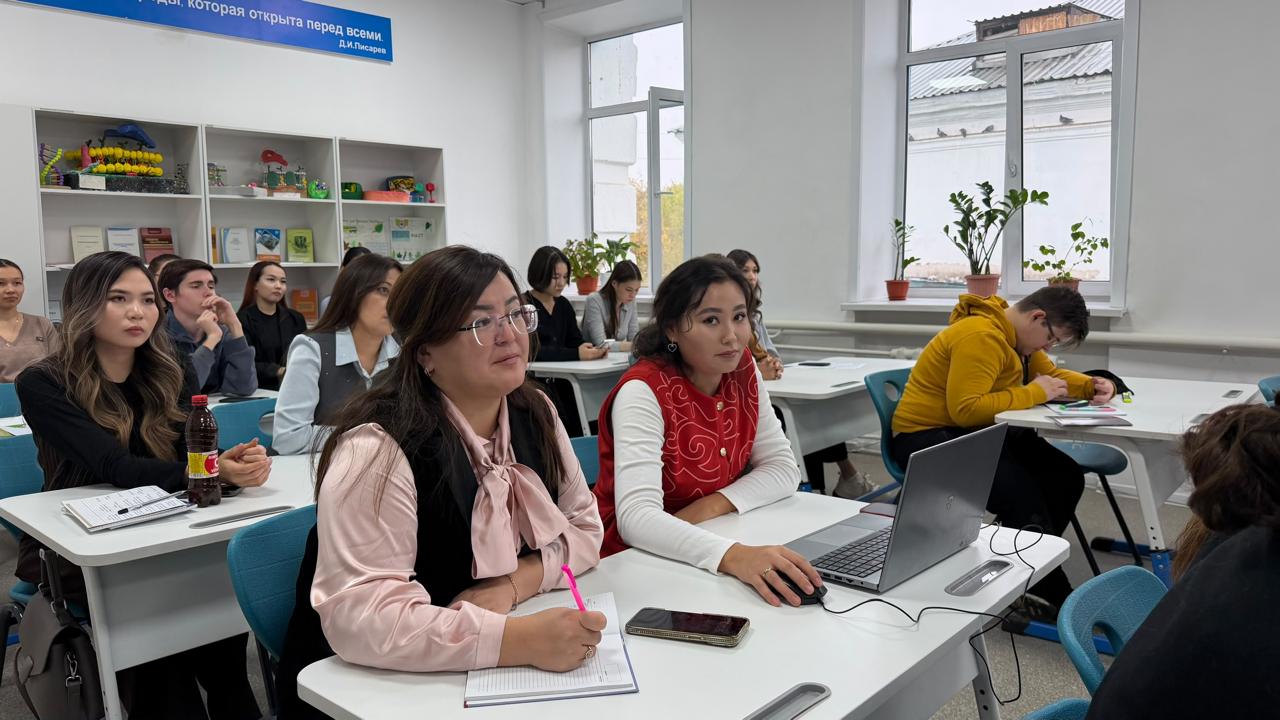
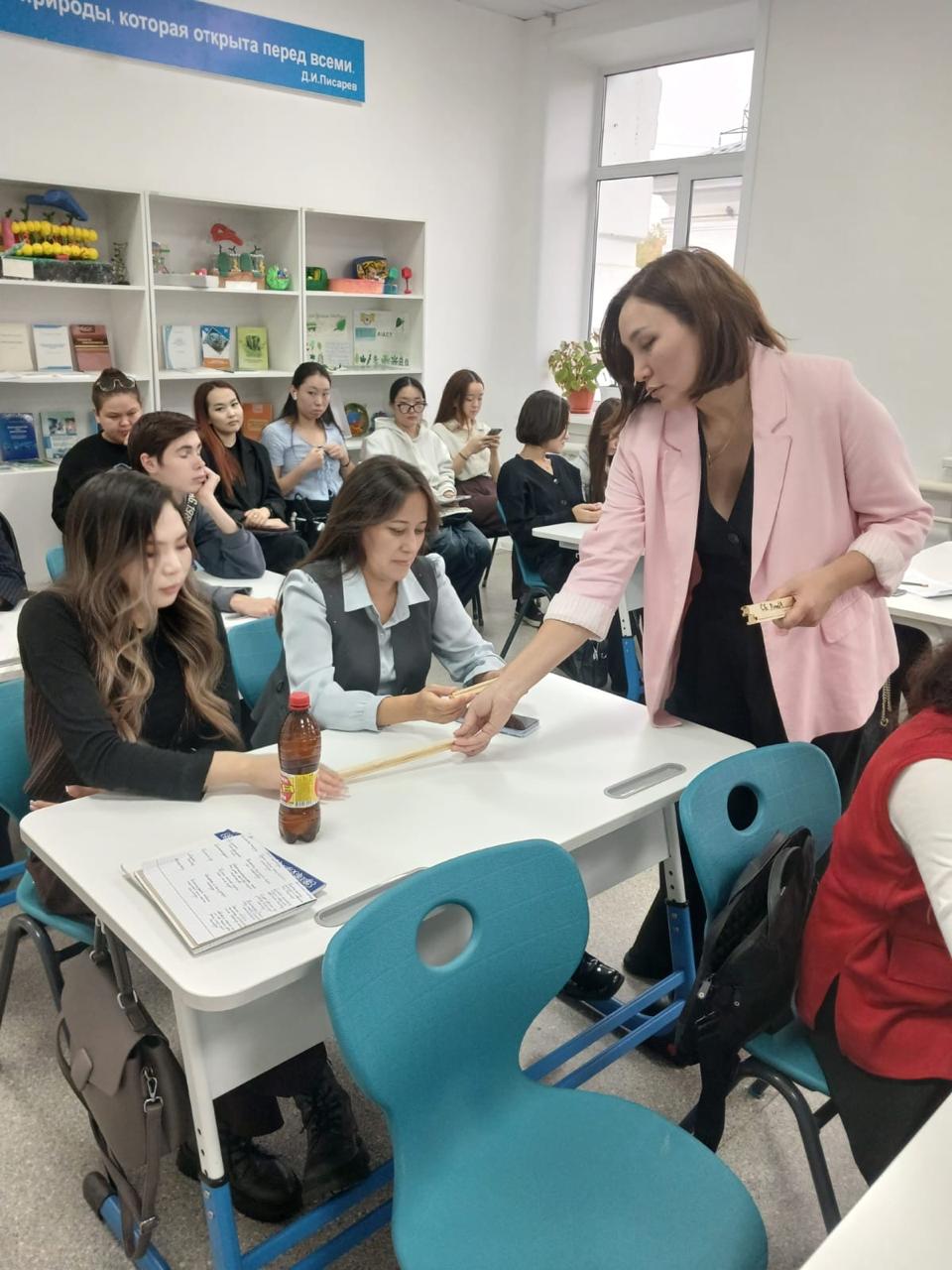
Students of the Biology educational program at Sarsen Amanzholov East Kazakhstan University also participated in the discussion and had an opportunity to become familiar with current areas of environmental research and the scientific findings presented by specialists.
The webinar concluded with a scientific discussion during which participants exchanged views on the potential use of dendrochronological and dendroindication approaches for assessing the environmental condition of urban areas. The importance of these methods for studying the effects of technogenic factors and climate change on tree vegetation, as well as for predicting the resilience of urban ecosystems, was emphasized.
The webinar became an important platform for exchanging scientific experience, discussing current environmental challenges, and strengthening professional cooperation among researchers. The event contributed to the promotion of modern environmental monitoring methods and the development of scientific cooperation in studying the resilience of tree stands under changing climatic conditions and anthropogenic pressure.