16 November 2026
MEDIATION AS A CULTURE OF DIALOGUE: AMANZHOLOV UNIVERSITY BRINGS TOGETHER INTERNATIONAL EXPERTS
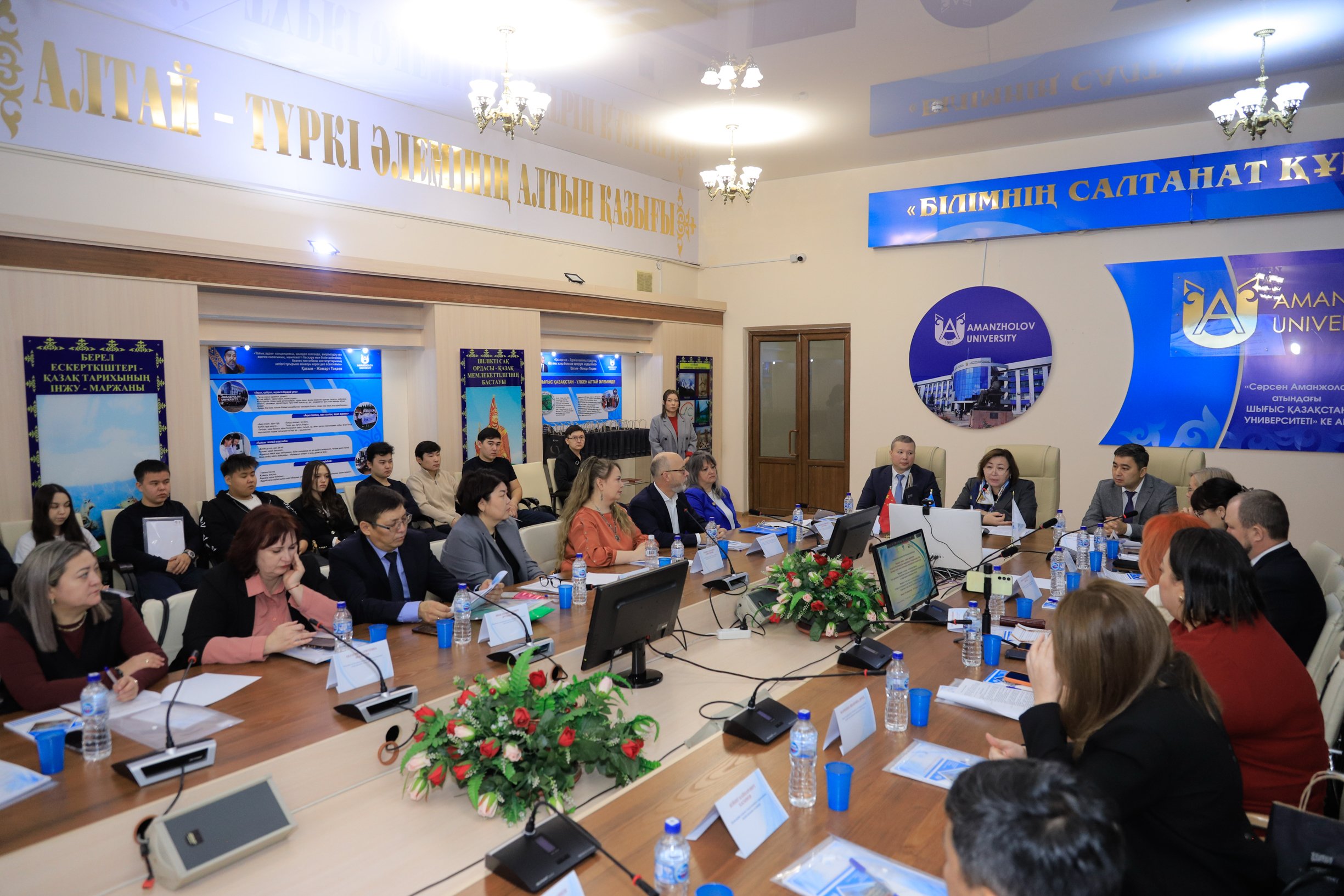
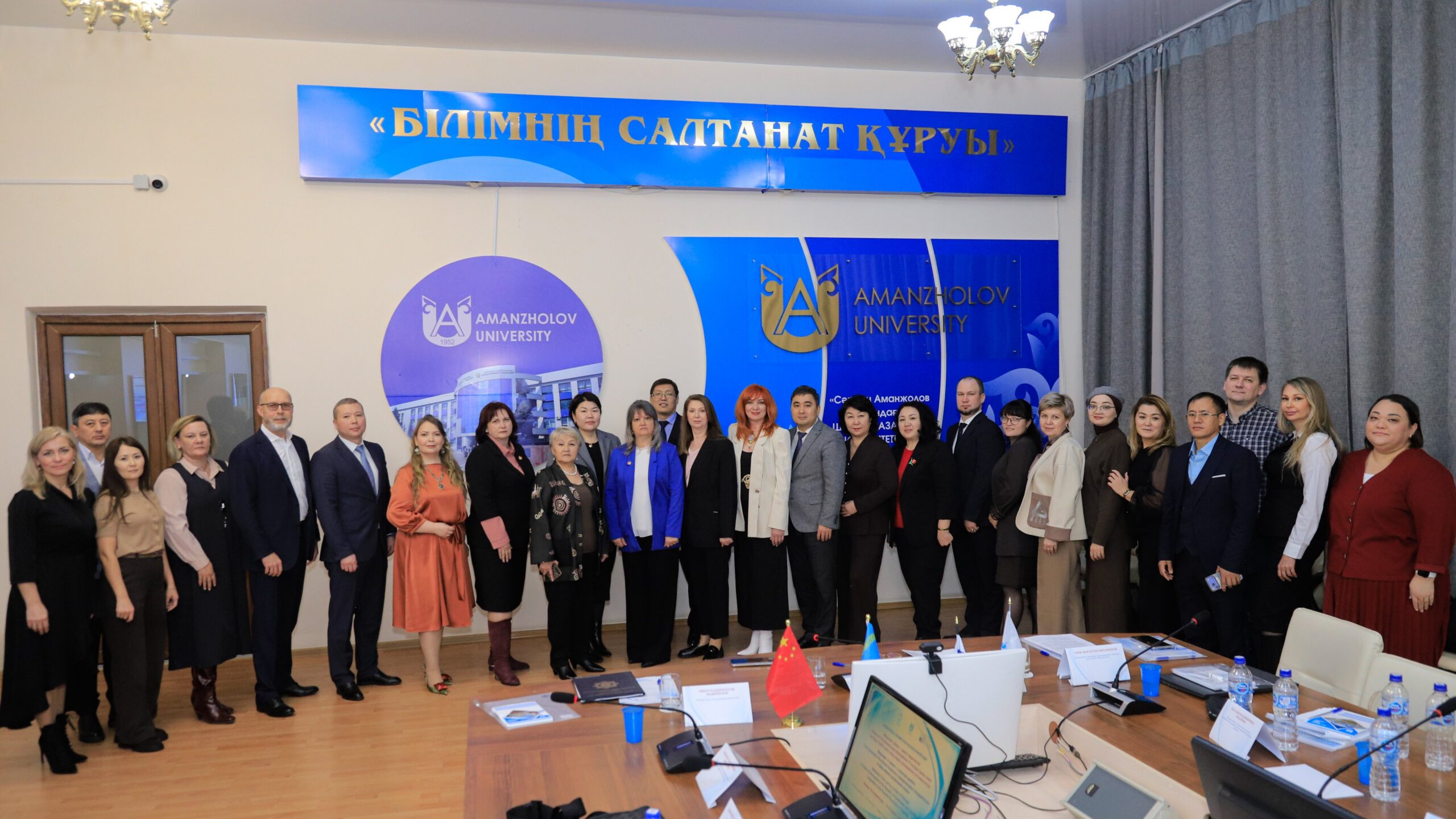
Sarsen Amanzholov East Kazakhstan University hosted the international scientific and practical conference “Mediation: From Law to a Culture of Dialogue,” dedicated to the 15th anniversary of the adoption of the Law of the Republic of Kazakhstan “On Mediation.”
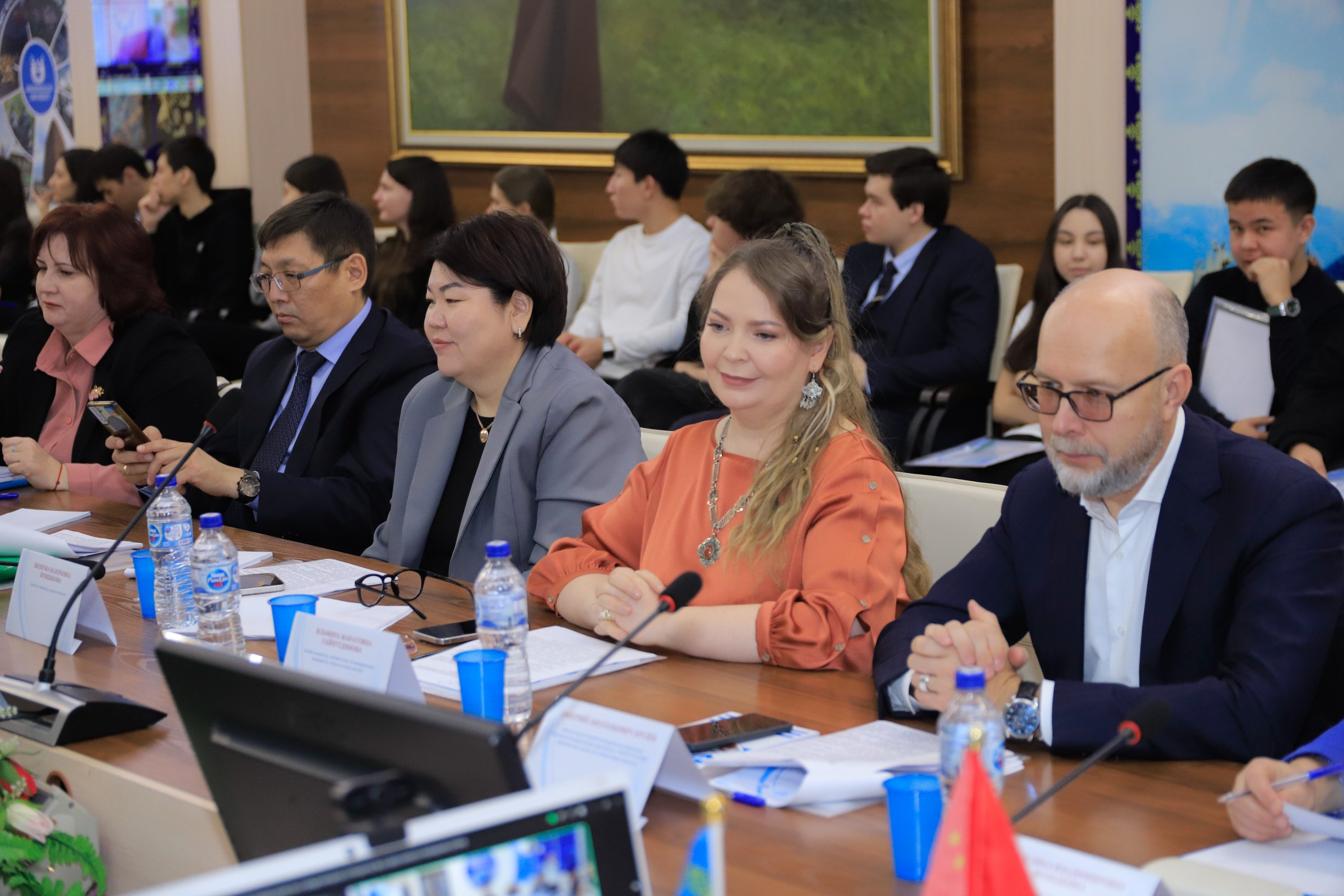
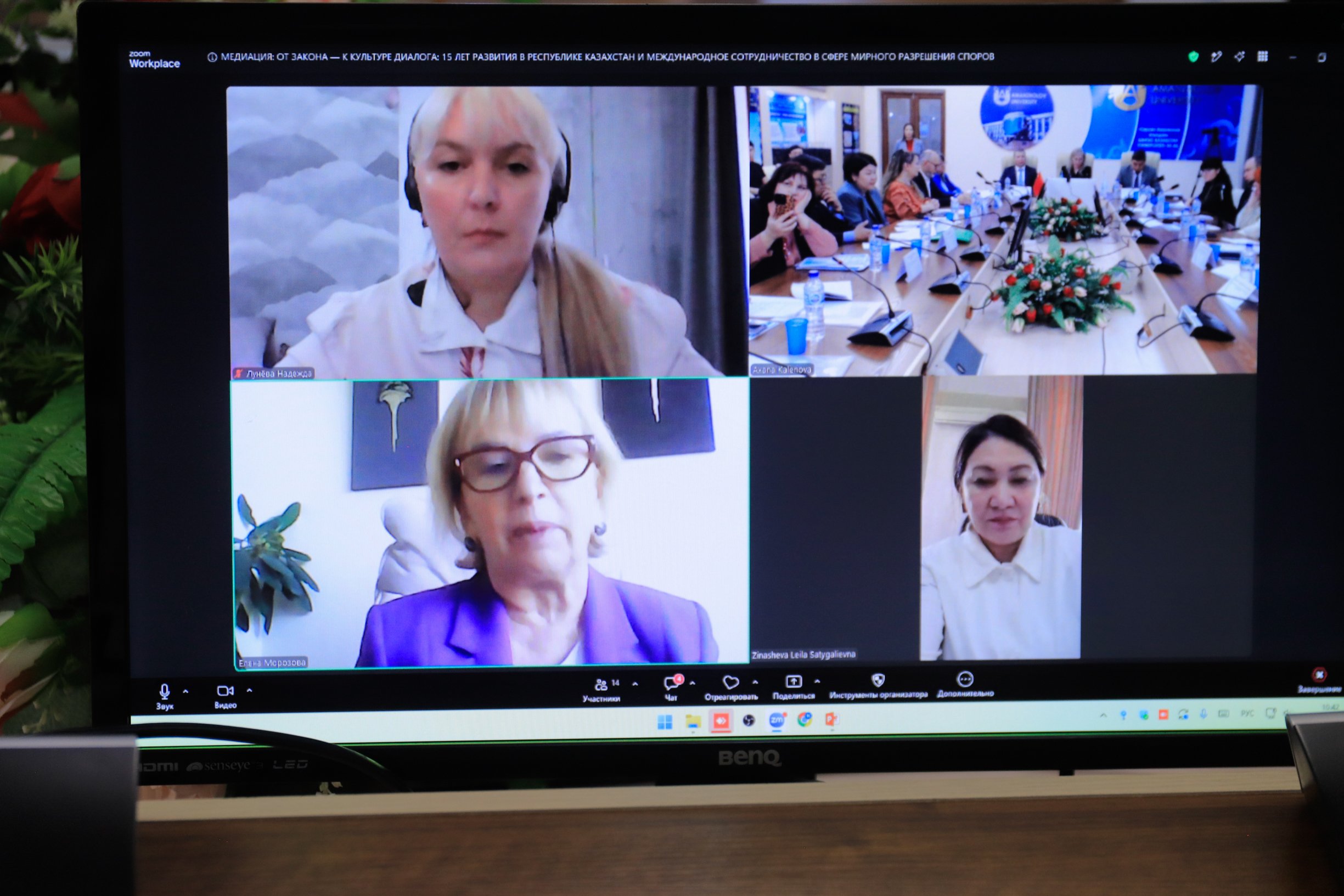
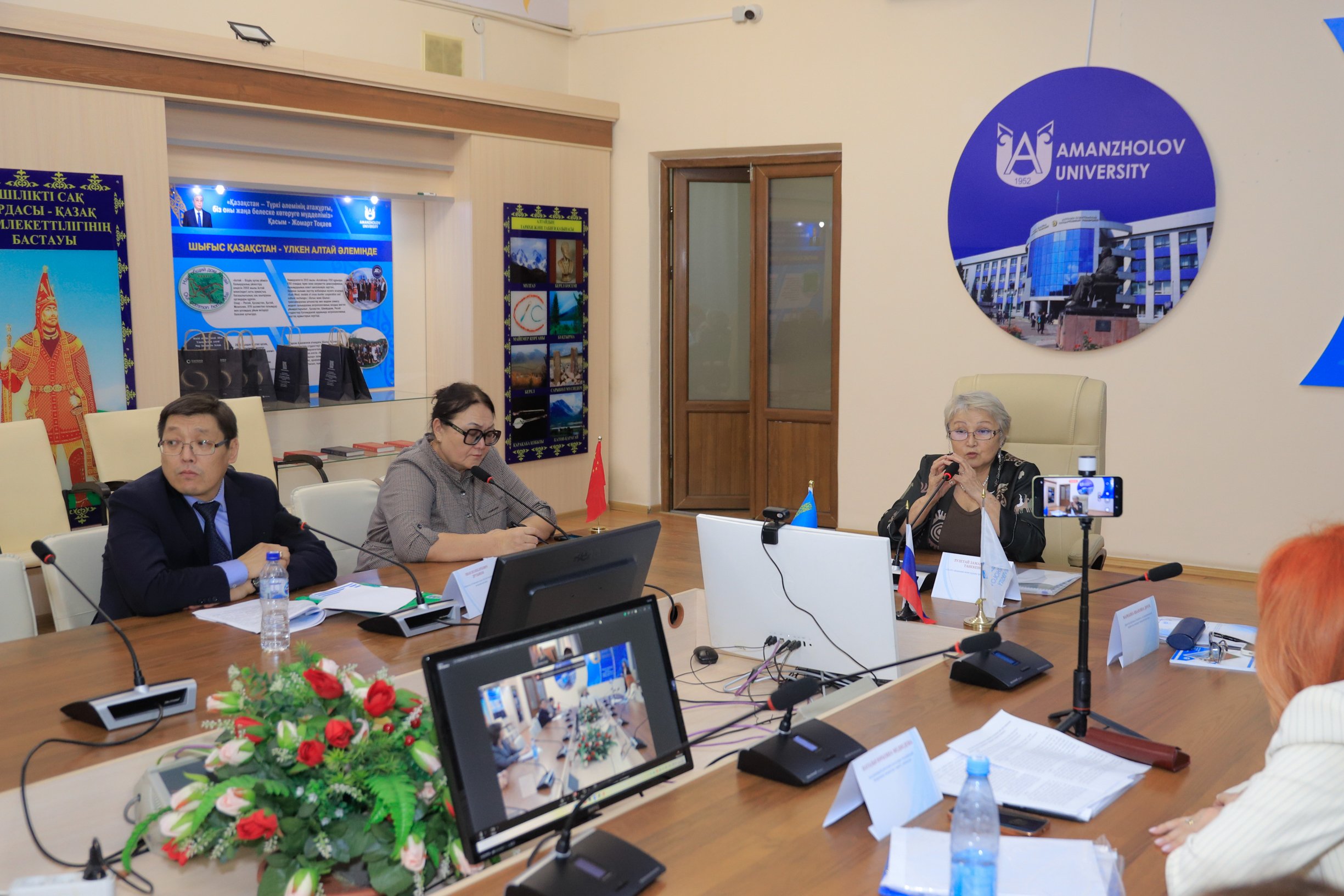
Representatives of the judiciary, government agencies, the academic community, and professional mediators from Kazakhstan, Russia, Belarus, and China gathered to discuss the development of mediation over the past 15 years, changes in conflict resolution practices, and the challenges currently facing the professional community.
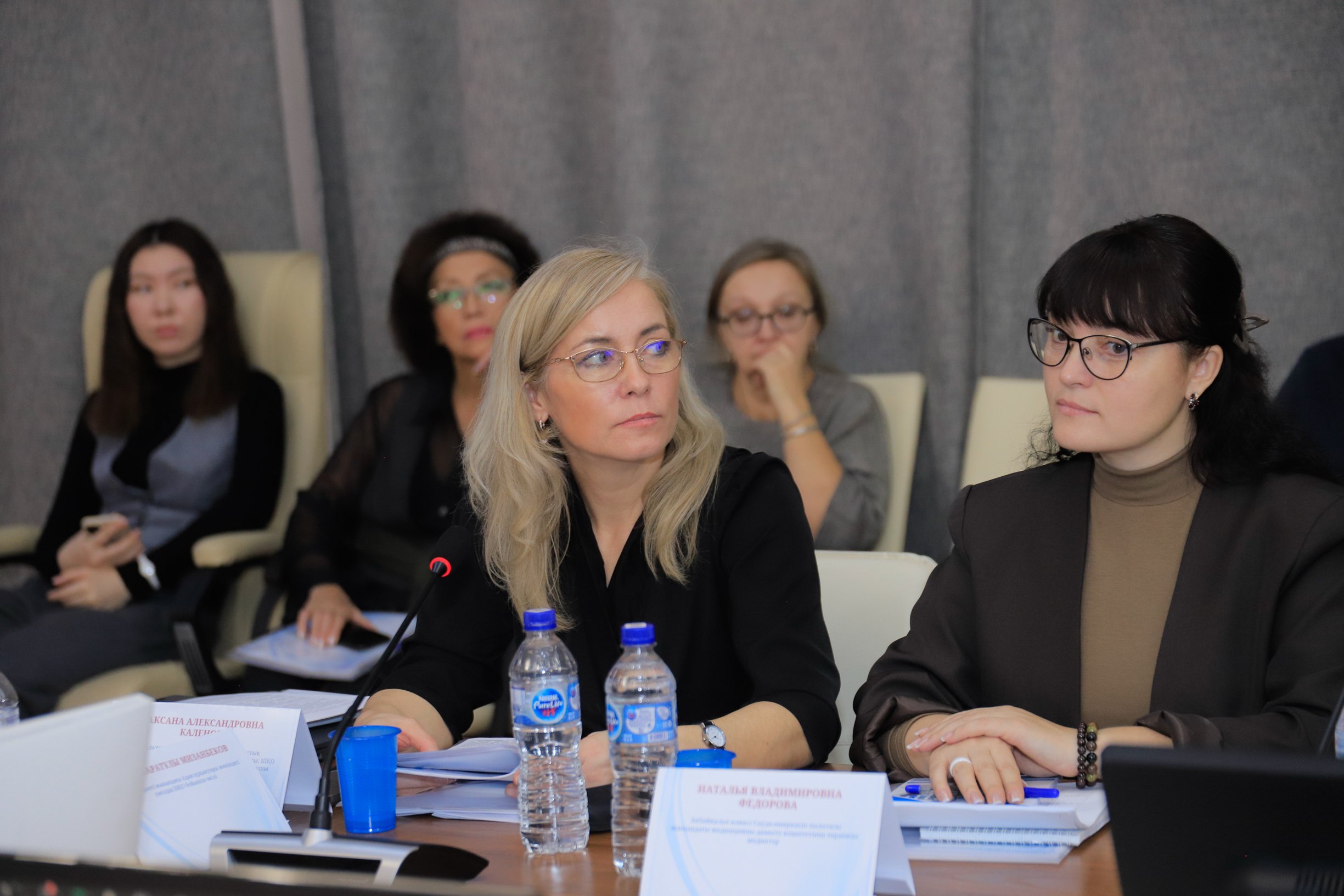
The conference was organized by Aksana Aleksandrovna Kalenova, Chairman of the Board of the Kazakhstan Center for Mediation and Legal Innovations “Alternative” Public Association and Regional Commissioner for Children’s Rights in the East Kazakhstan Region. Under her moderation, the plenary session brought together specialists from various fields, ranging from representatives of the judiciary to practicing mediators and researchers. The discussion focused not only on legal mechanisms of reconciliation, but also on the broader goal of developing a culture of dialogue in which parties to a conflict are able to listen to one another and find a mutually acceptable solution.
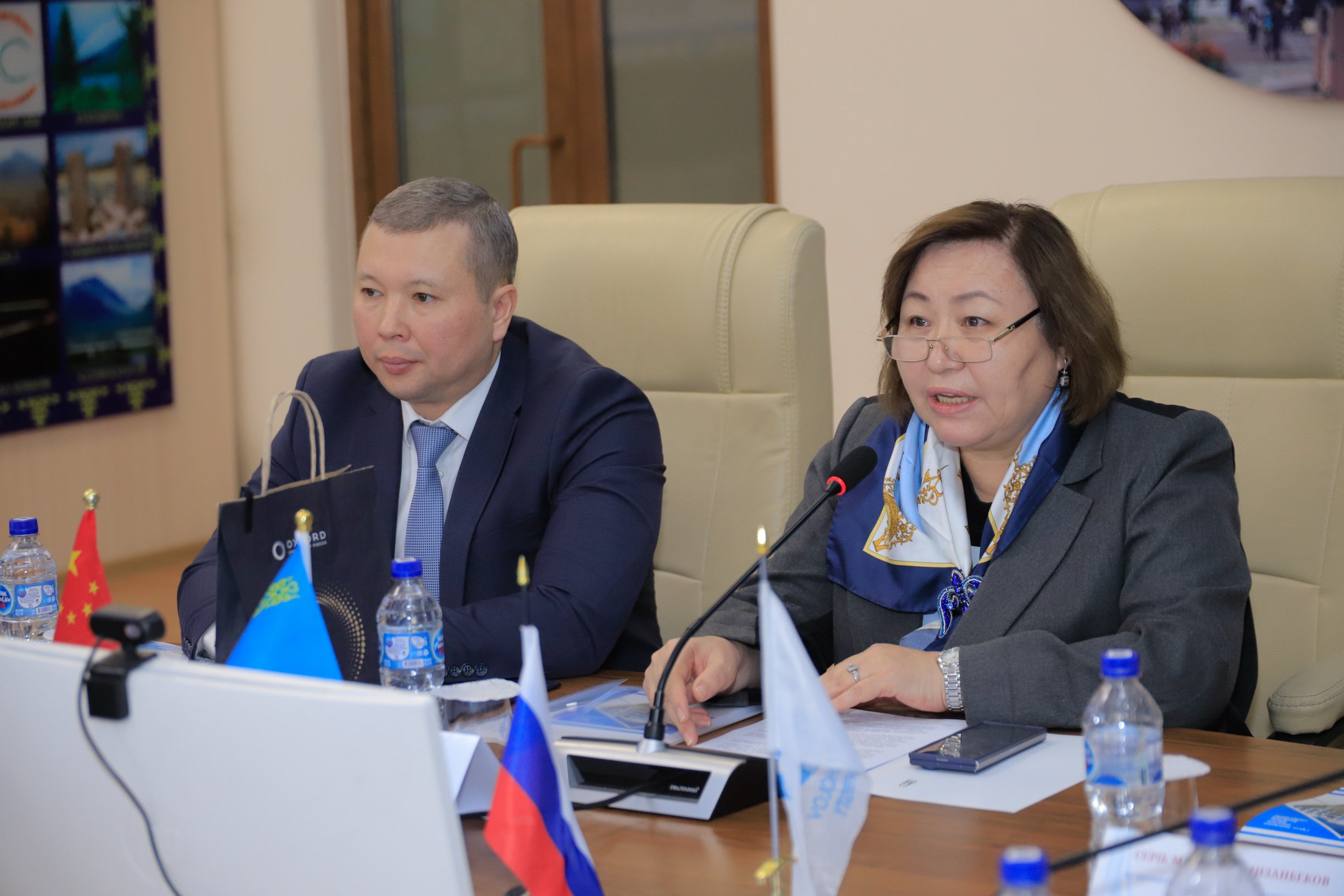
Opening the conference, The Chairman of the Board – Rector Gulzhan Jarassova emphasized that the idea of reconciliation is not new to Kazakh society. Its roots can be traced to the historical traditions of the Kazakh people, particularly the institution of biys, in which wisdom, justice, and the desire to resolve disputes without confrontation were highly valued. Over the past 15 years, mediation has evolved from legislative recognition into an independent professional practice aimed not only at resolving disagreements, but also at fostering mutual respect, responsibility, and the ability to engage in constructive dialogue.
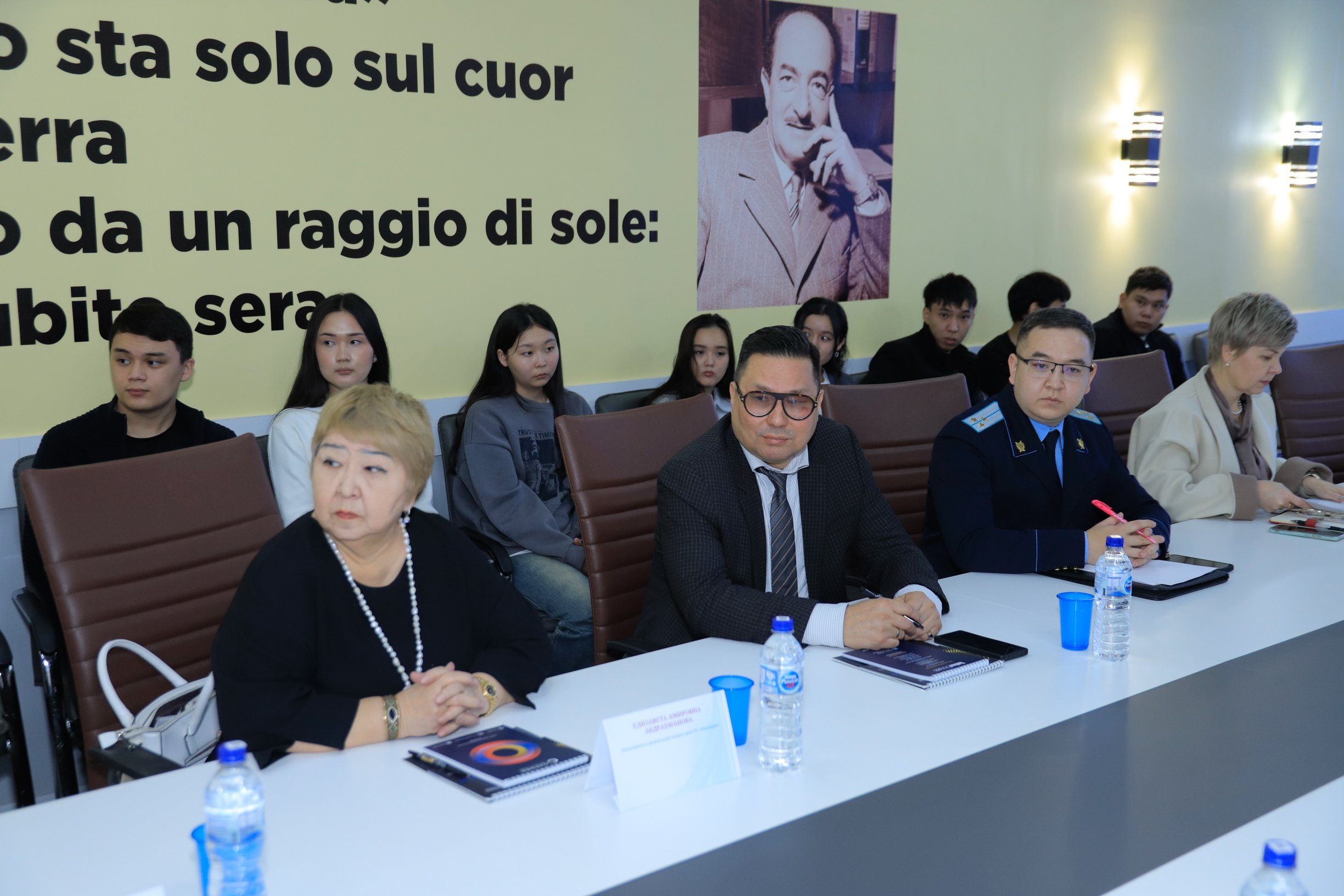
Speaking about the development of mediation at the University, the Rector highlighted the importance of practice-oriented training for future specialists. Today, 45 micro-qualification programs and 26 minor programs are offered within the University’s educational programs. Among them is a micro-qualification in mediation, which enables students to acquire basic knowledge and skills in this field. In the current academic year, 35 students enrolled in the program, 10 of whom have already completed it. In addition, the course “Legal Psychology and Mediation” has been incorporated into law-related educational programs. It helps students develop skills in negotiation, legal conflict resolution, and the use of mediation techniques outside court proceedings.
Mediation is important not only as a method of dispute resolution, but also as a mechanism for protecting human dignity and the right to be heard. This point was emphasized by Serik Maratovich Mizanbekov, Representative of the Commissioner for Human Rights under the President of the Republic of Kazakhstan in the East Kazakhstan Region. He noted that respect for the individual lies at the heart of the human rights approach, while the mediator’s role is to help parties move from confrontation toward the search for a shared solution. At the same time, traditions of reconciliation rooted in Kazakh culture are continuing to develop in accordance with modern international human rights standards.
The topic of artificial intelligence raised by the speaker also attracted particular interest. Despite the broad capabilities of digital technologies, they are not yet able to replace a human mediator in conflict resolution. Empathy, trust, the ability to recognize non-verbal signals, understand hidden motives, and assess the emotional state of participants remain essential components of professional mediation. It is human involvement that creates the conditions in which the parties are prepared not merely to reach a formal agreement, but to achieve genuine mutual understanding.
Aksana Kalenova presented her perspective on the 15-year development of mediation in Kazakhstan. Her presentation, “Mediation in Kazakhstan: A 15-Year Journey — Achievements, Challenges and Prospects,” focused on the results achieved in establishing the institution, existing issues, and future directions for its development.
The discussion was complemented by presentations from international experts, who shared approaches and practices from their respective countries. The exchange of international experience made it possible to consider mediation not only within the framework of national legislation, but also as a shared professional field requiring cooperation among specialists from different countries.
One of the practical outcomes of the conference was the signing of a cooperation agreement between the Kazakhstan Center for Mediation and Legal Innovations “Alternative” Public Association and the International Association of Mediators “Power of Dialogue.” The agreement creates opportunities for developing professional cooperation, exchanging experience, and strengthening international ties in the field of mediation. The parties described the agreement as the first step toward implementing joint initiatives aimed at bringing specialists together and further developing a culture of dialogue.
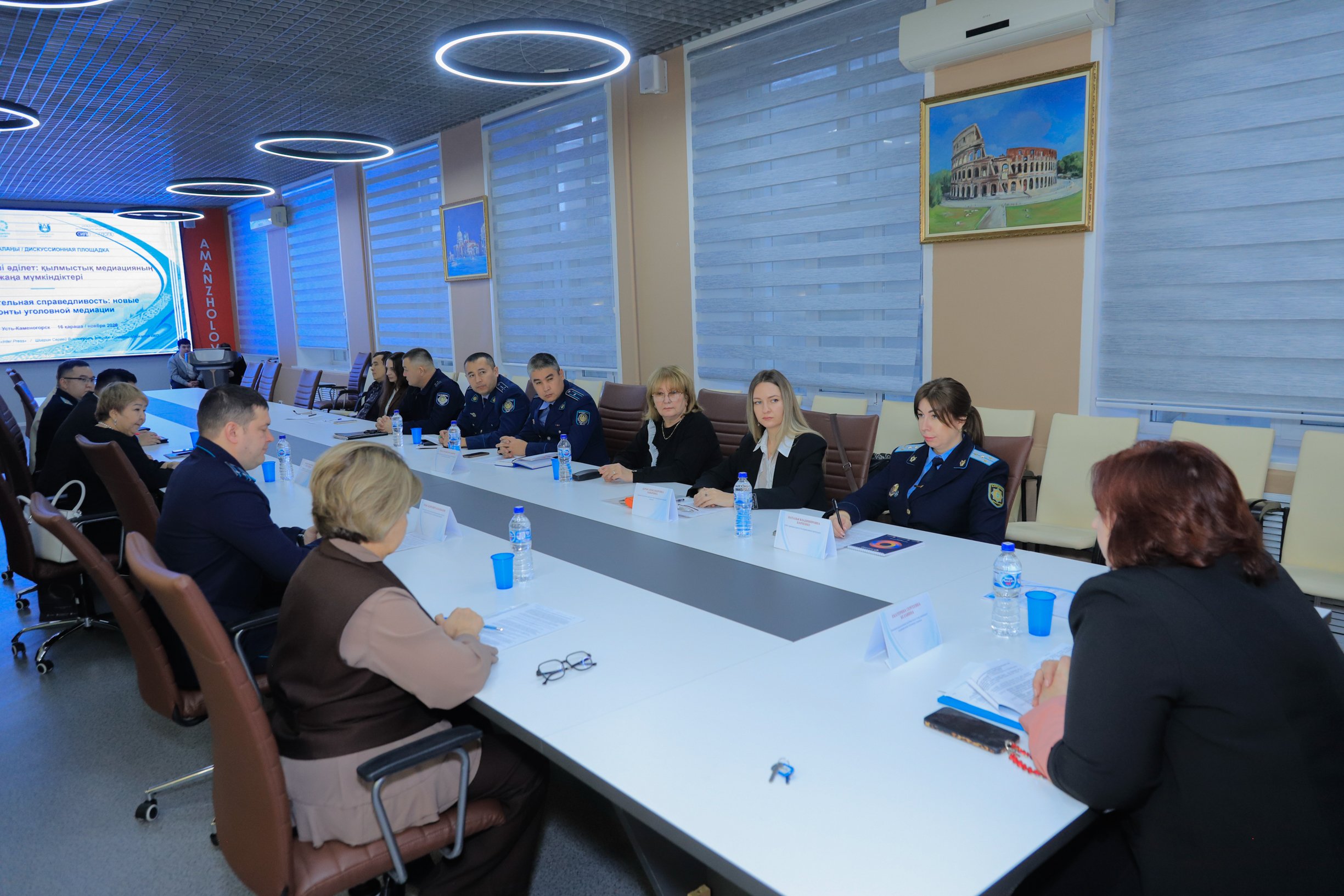
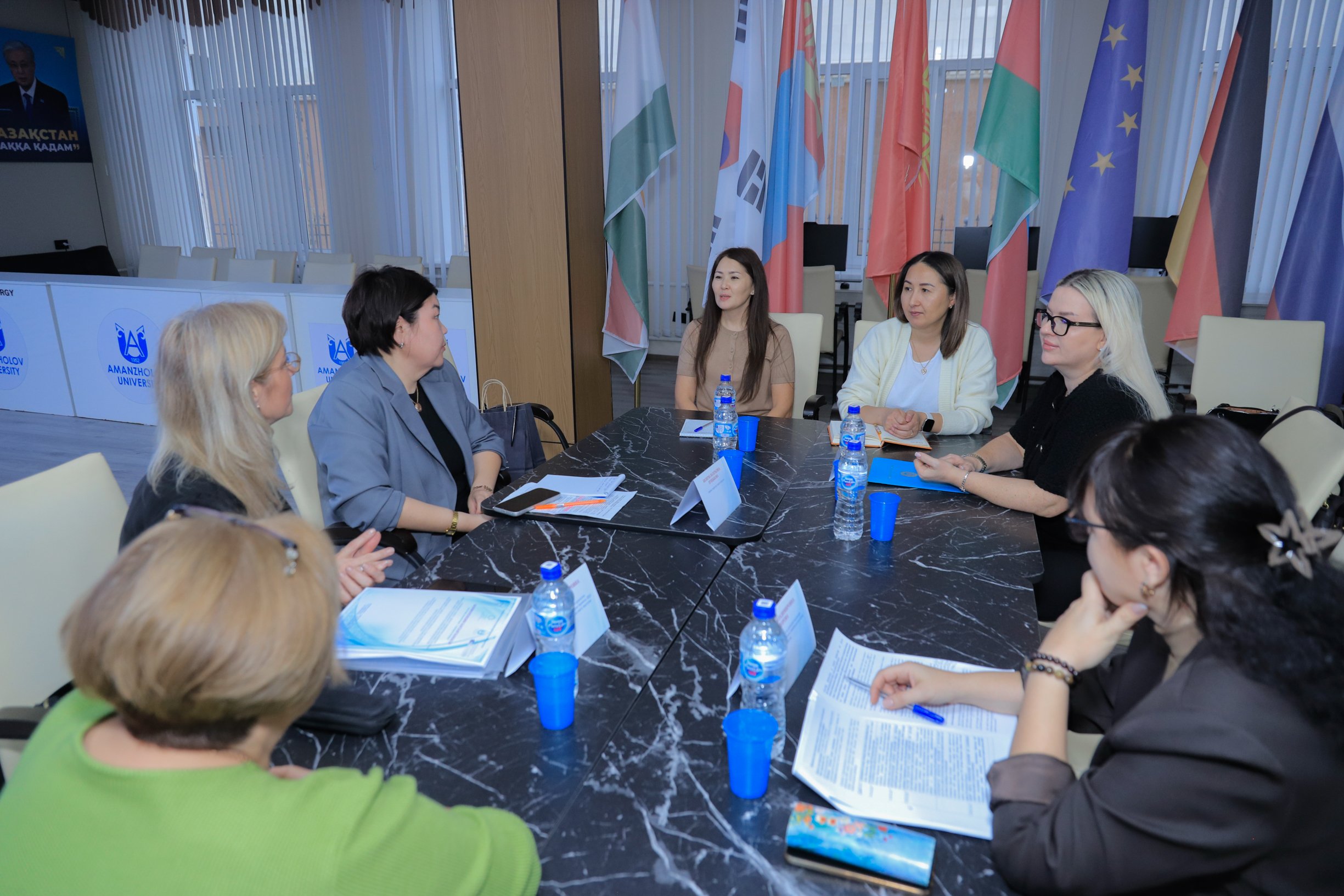
The plenary session was followed by six thematic discussion platforms. Participants focused on specific areas of mediation practice, including family conflicts, protection of children’s interests, social resilience, restorative justice, relations between the state and society, labor and civil disputes, and conflicts arising in medical practice. This format made it possible to move from general issues concerning the development of mediation to the discussion of practical cases and professional solutions.
The conference became a platform for exchanging professional experience, discussing current issues, and exploring new approaches to the peaceful resolution of disputes. For Amanzholov University, the development of mediation is also an important part of educational work aimed at preparing specialists who are able not only to understand legal issues, but also to resolve conflicts effectively, conduct negotiations, and build constructive communication with others.
For this reason, the University places particular emphasis on integrating mediation competencies into educational programs, combining academic knowledge with practical skills that are increasingly in demand in modern society.