17 November 2026
AMANZHOLOV UNIVERSITY PARTICIPATES IN PROGRAM TO STRENGTHEN DOCTORAL SUPERVISION
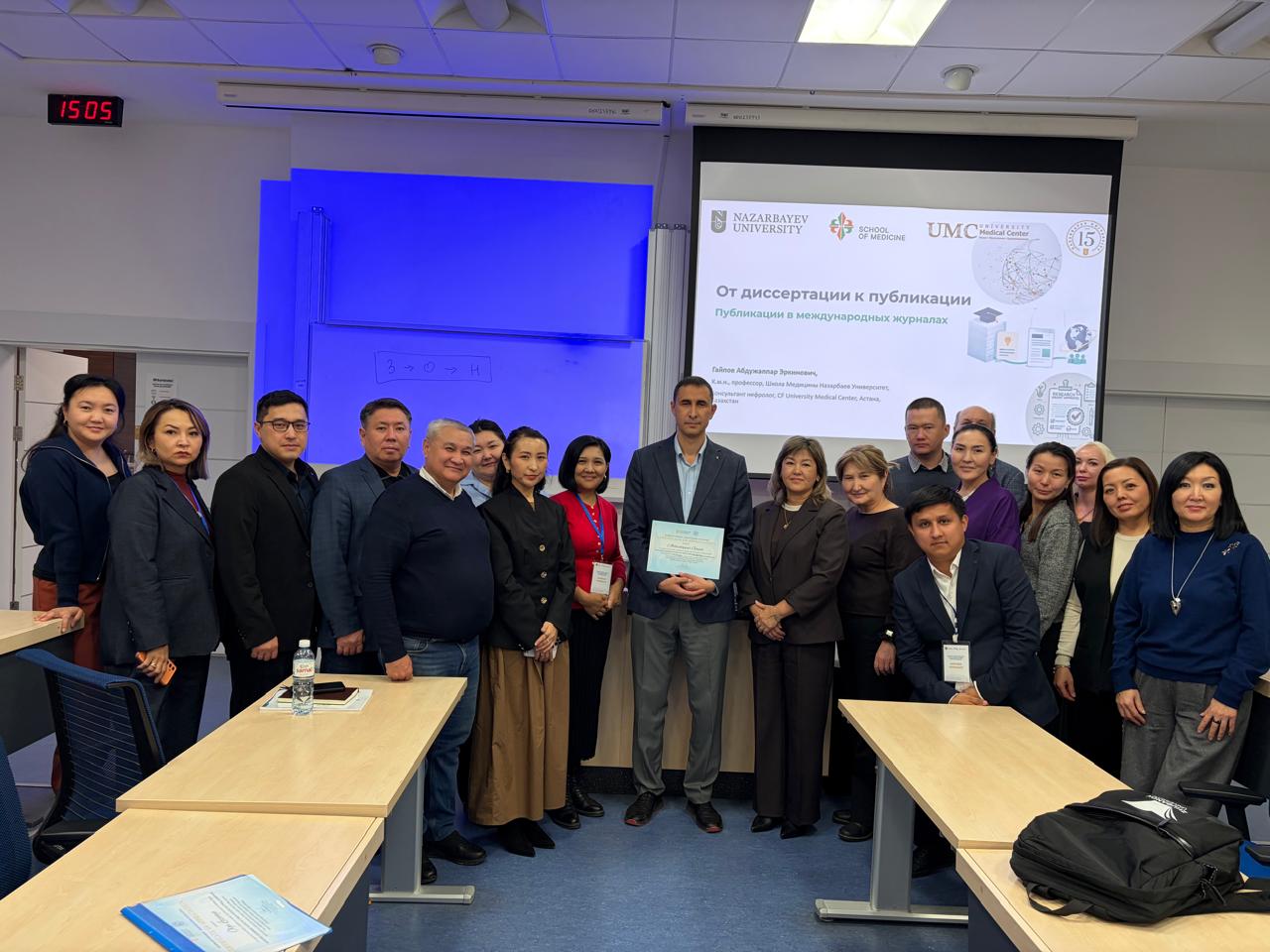
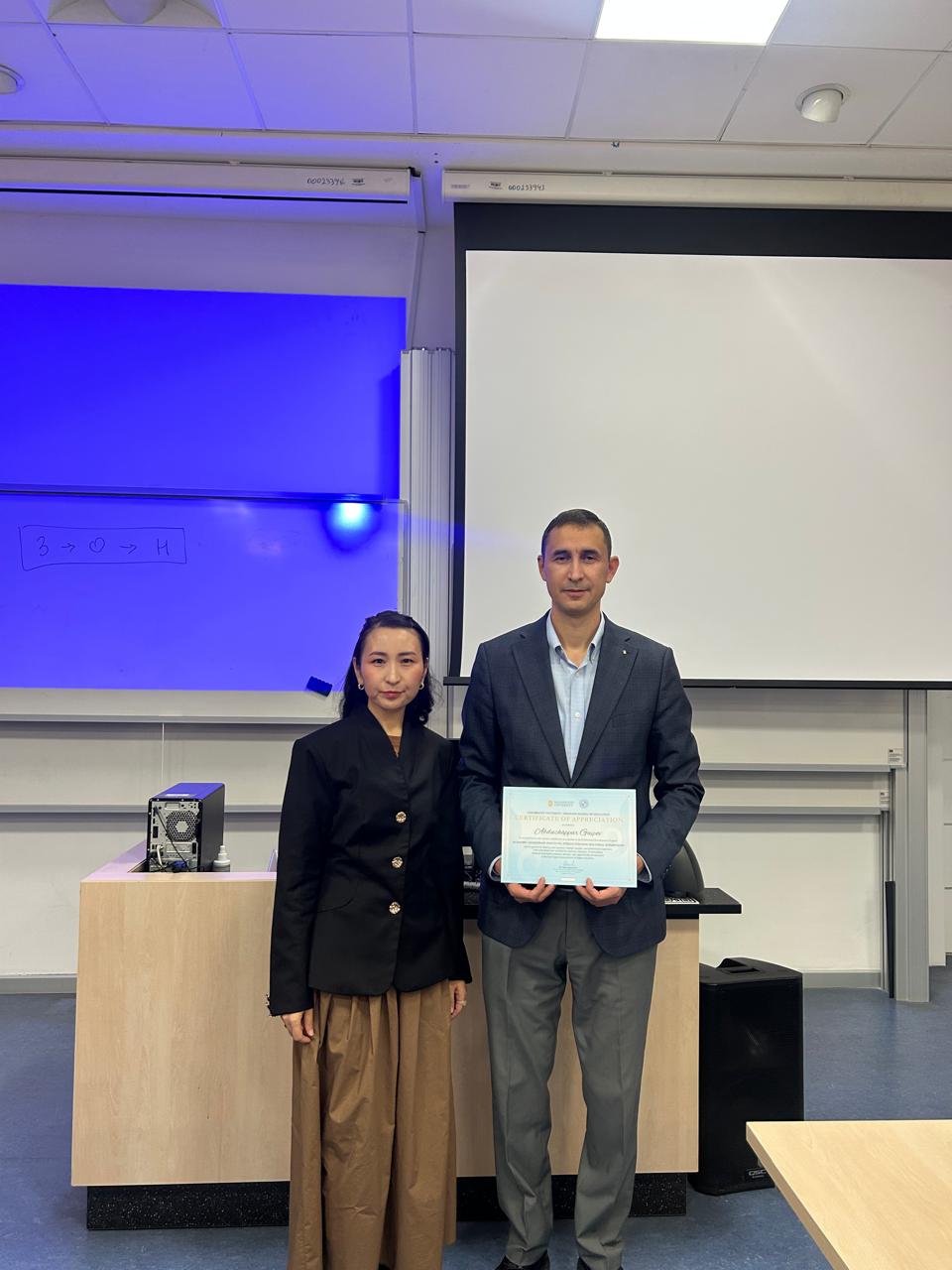
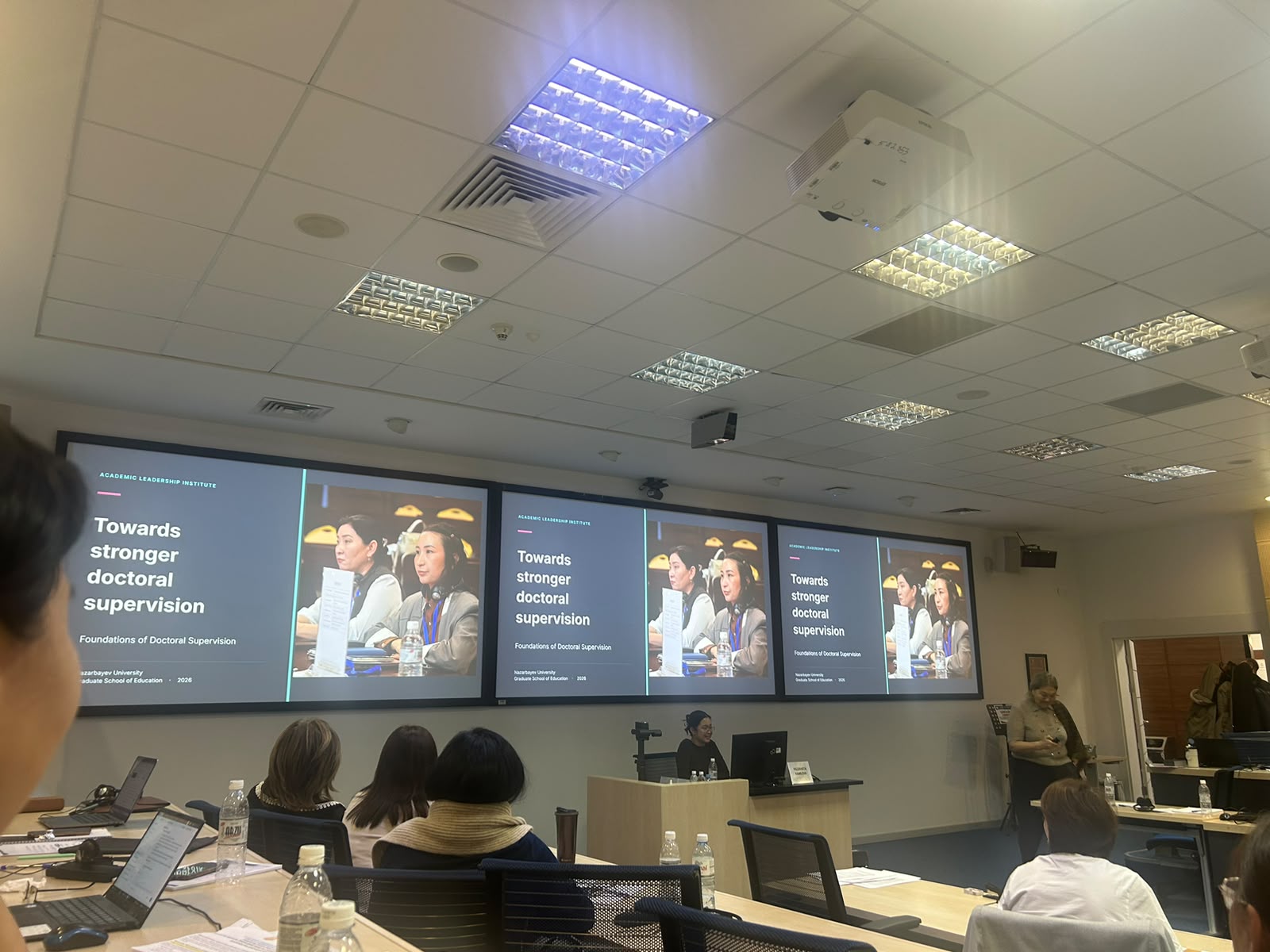
The final stage of the Academic Leadership Institute program, organized by the Graduate School of Education at Nazarbayev University, is taking place in Astana. The third stage, entitled “Strengthening Doctoral Supervision Practices,” focuses on improving doctoral education and developing effective approaches to supporting early-career researchers.
The program, being implemented in Kazakhstan for the first time, is aimed at improving the quality of doctoral education, strengthening research supervision practices, and developing concrete institutional solutions at the university level. Representatives of 23 higher education institutions across the country, as well as the Ministry of Science and Higher Education of the Republic of Kazakhstan, are taking part.
The program includes parallel sessions on publishing research articles in international journals, research ethics, academic integrity, the responsible use of artificial intelligence in doctoral research, and the selection of academic journals. Participants are also discussing the development of PhD programs, joint planning of publication strategies by supervisors and doctoral students, and Nazarbayev University’s experience in supporting doctoral candidates.
Amanzholov University is represented by Makpal Manarbekovna Nurizinova, PhD and Associate Professor at the Department of Physics and Technologies.
As part of the final stage, participants will present Institutional Doctoral Supervision Blueprint projects — institutional action plans designed to improve doctoral supervision practices at their universities.
Makpal Nurizinova will present the results of an analysis of the current doctoral supervision system at Amanzholov University, as well as a draft practical guide aimed at systematizing the supervision process. The document covers key aspects of interaction between academic supervisors and doctoral students, including the distribution of responsibilities, major stages of research supervision, documentation of consultations, semester-based monitoring, early identification of potential risks, and preparation for dissertation defense.
Participation in the program will enable the University to apply modern approaches to the organization of doctoral education, improve interaction between doctoral students and academic supervisors, and consistently strengthen its research culture. The proposed solutions will provide a foundation for further improving the quality of doctoral supervision and doctoral training.