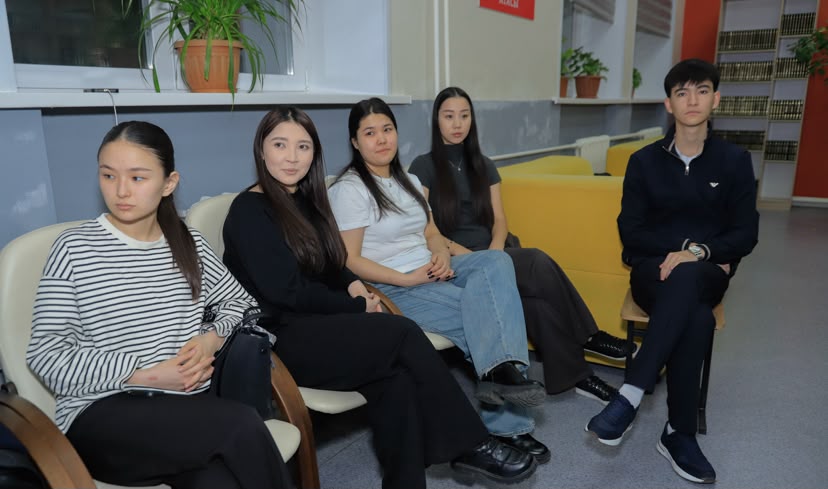
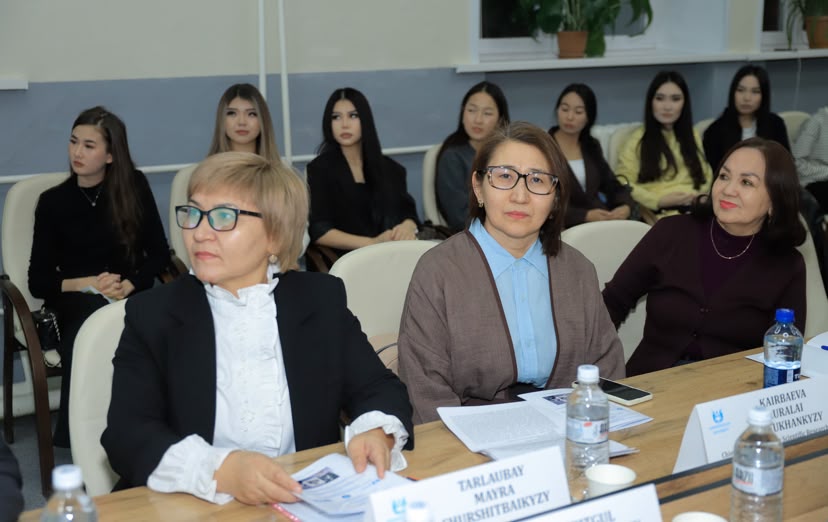
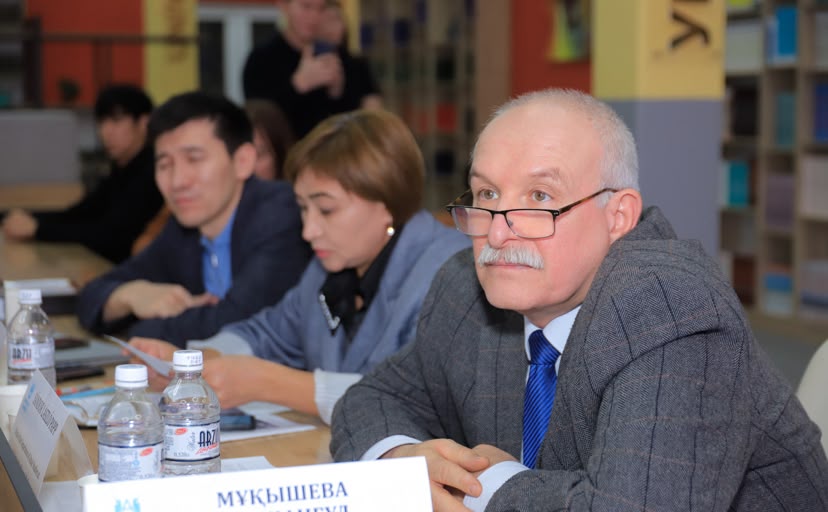
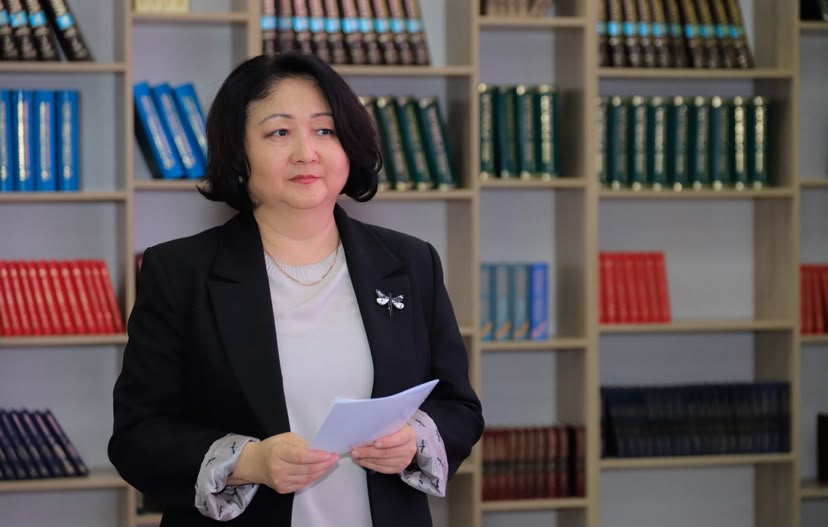
Sarsen Amanzholov East Kazakhstan University hosted the international scientific and practical seminar “Kazakh Enlighteners and European Turkological Studies.” The discussion focused on the historical and cultural heritage of the Kazakh people, the development of Altaic studies, and the expansion of international scientific cooperation.
Turkology plays an important role in the study of the history, languages, and cultures of Turkic peoples. It makes it possible to trace historical connections, common cultural processes, and the development of academic traditions in different countries. Altaic studies, which examine the linguistic, historical, and cultural heritage of the peoples of the Altai region, complement this field of research.
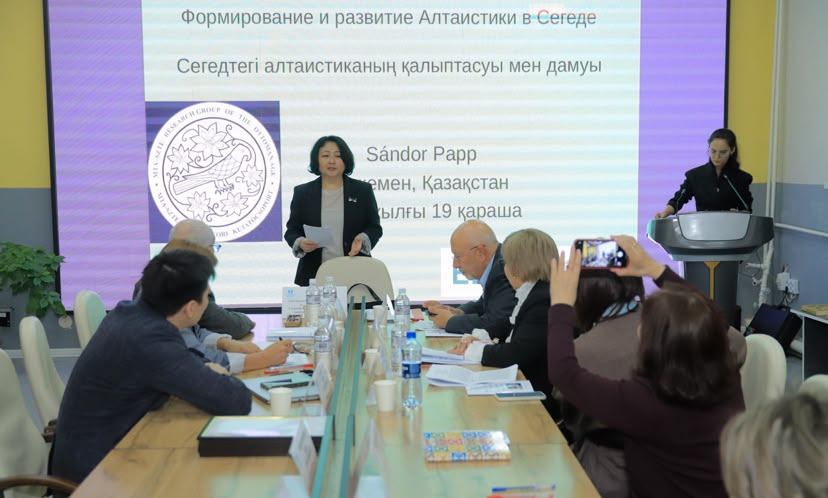
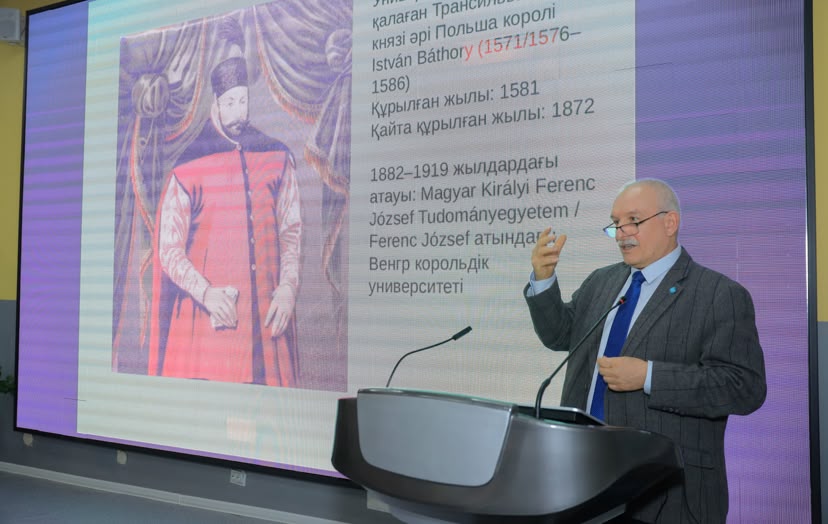
The European experience in the development of this academic field was presented by Sándor Papp, Professor and Head of the Department of Altaic Studies at the University of Szeged and Doctor of Historical Sciences. In his presentation, “Altaic Studies in Szeged,” he introduced participants to the research activities of the Hungarian academic school and its contribution to the study of the Altai world.
Professor Abdulkadir Cucen of Bursa University delivered a presentation entitled “Rethinking Philosophy: A New Stage of Reflection,” addressing the nature of philosophy, its aims and methods, as well as contemporary philosophical thought.
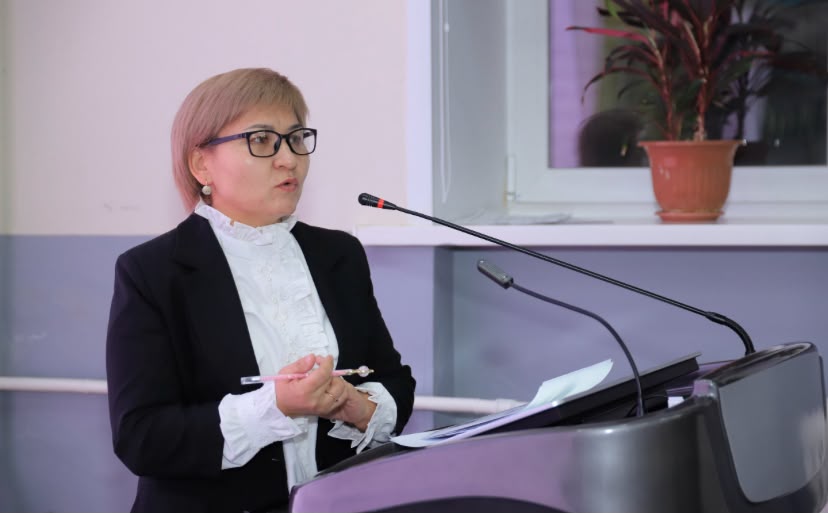
A special place in the program was given to the legacy of Kazakh enlighteners. In particular, the works of Shokan Ualikhanov were examined in the context of Hungarian Turkology. A presentation by Raushangul Mukusheva, Chief Researcher at the Altaitanu Research Center, highlighted the significance of the scholar and enlightener’s scientific legacy for both Kazakhstani and international research traditions.
Alongside the historical and academic heritage, participants also explored the literary dimension of Kazakh culture. A separate presentation was devoted to the literary world of Oralkhan Bokey, broadening the thematic scope of the seminar and drawing attention to the study of national literature.
The event was organized by the Altaitanu Research Center and the Department of History of Kazakhstan and Social and Humanitarian Disciplines. The seminar also presented the Center’s main areas of activity and considered the place of Kazakhstan’s science within the international research community.
Following the presentations, participants discussed the research findings and prospects for further scientific cooperation. The seminar became a platform for strengthening academic ties and promoting Kazakhstan’s historical and cultural heritage within the international scientific community.